
The world of fine delicacies has always occupied a special place at the most distinguished tables, where exceptional ingredients become part of celebrations, family traditions, and memorable occasions. Certain products have earned their reputation through centuries of craftsmanship, careful selection, and uncompromising standards of quality.
by L’Officiel Monaco
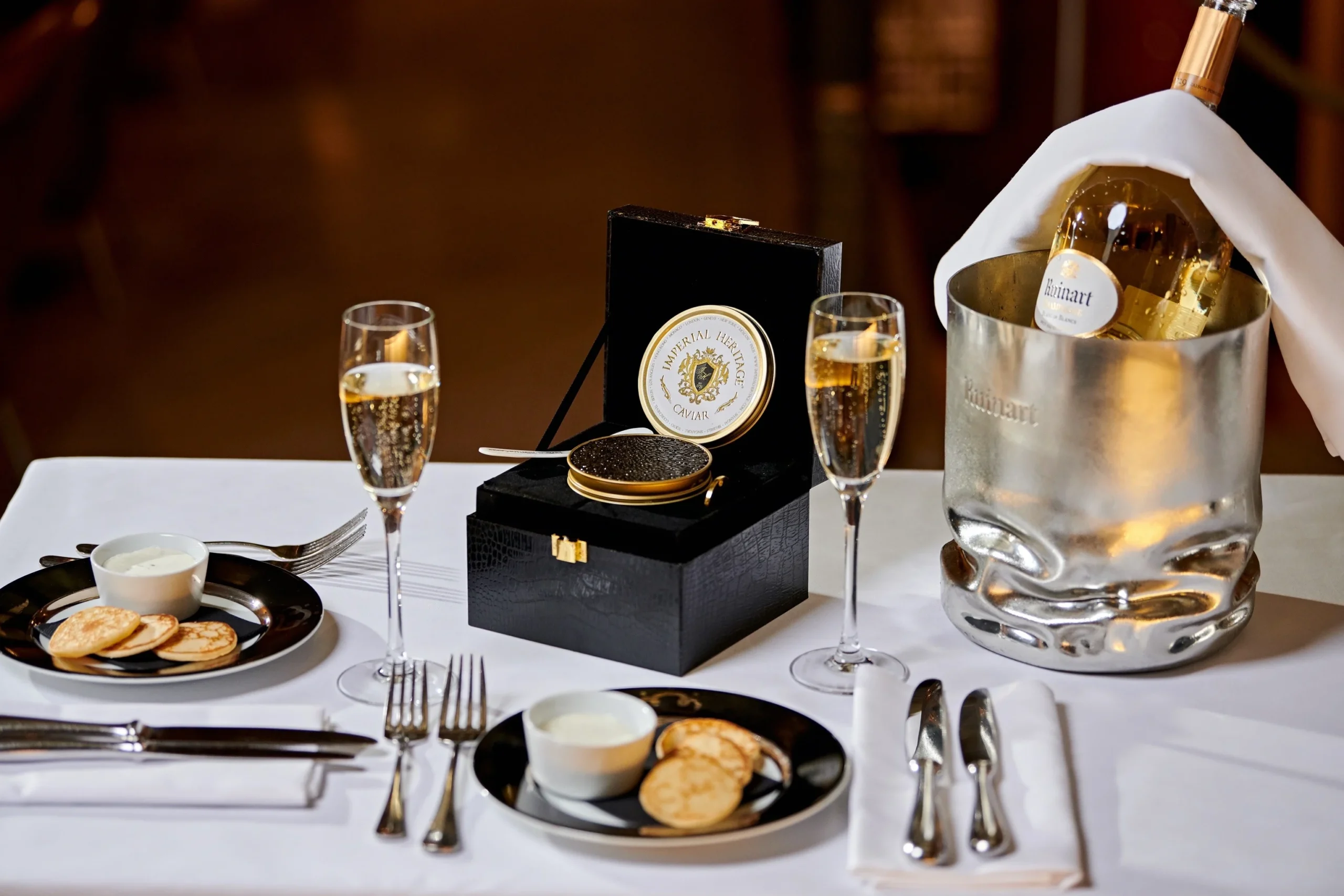
©Imperial Heritage caviar
For centuries, black caviar has been regarded as one of the world’s most prestigious gastronomic specialities. Produced from sturgeon roe, it requires years of careful farming before reaching the quality expected by chefs, collectors, and gourmet enthusiasts. Depending on the species, a sturgeon may require between seven and twenty years before producing its first caviar, making patience one of its rarest ingredients. Today, nearly all premium caviar available worldwide comes from sustainable aquaculture, helping protect wild sturgeon populations while maintaining exceptional quality standards. Europe remains one of the world’s leading centres of caviar appreciation, with France recognised as the largest consumer market within the European Union. Global production has expanded steadily over recent years to satisfy growing international demand from luxury hospitality, fine dining, and private collectors. L’Officiel Monaco continues its tradition of presenting the finest names across the luxury sector, introducing readers to houses where quality, expertise, and heritage define every product. Among the names that consistently stand at the highest level of the market, Imperial Heritage has established a reputation for exceptional caviar, offering carefully selected varieties appreciated by connoisseurs and distinguished dining destinations around the world.
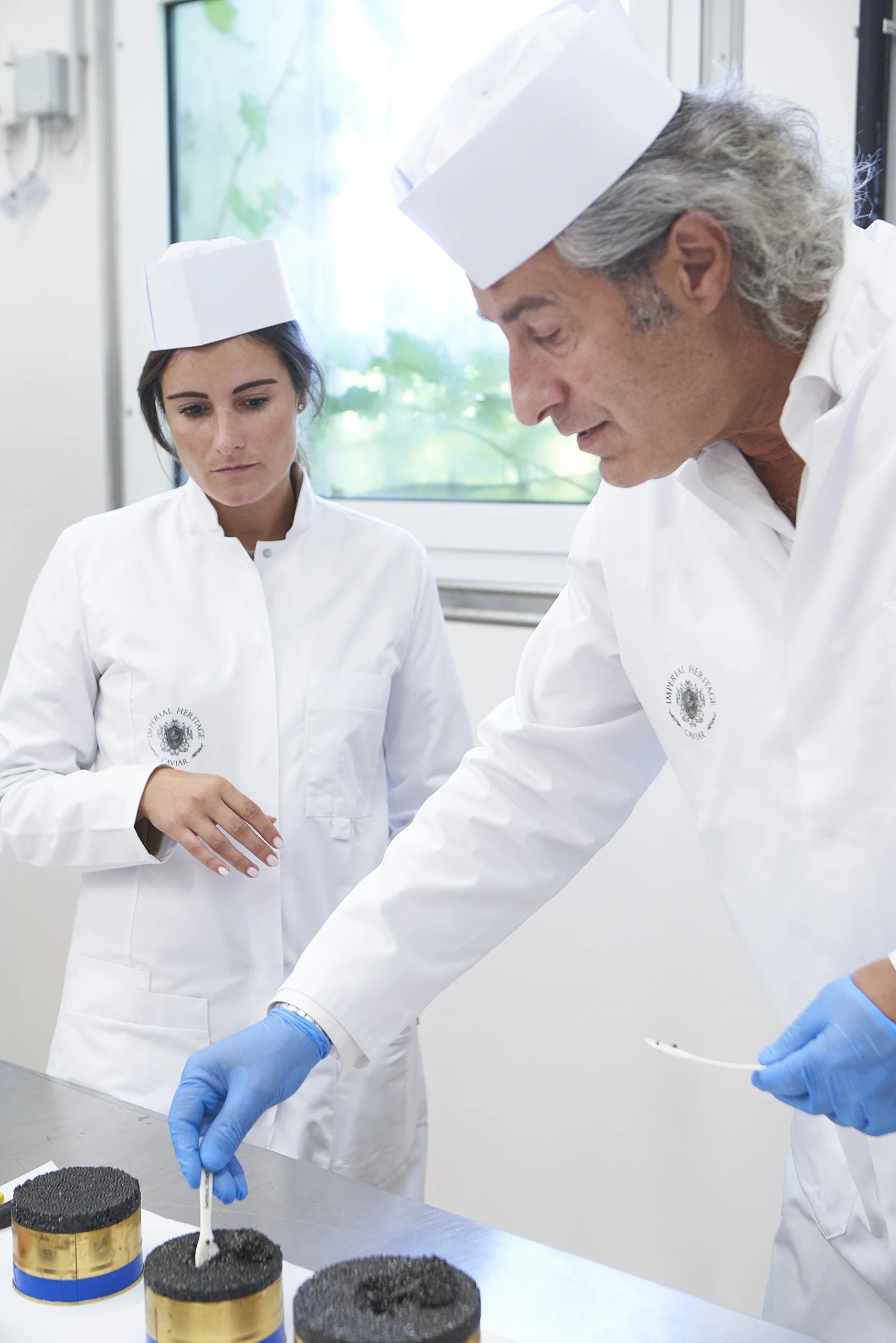
©Frank Croes
Summer in Monaco follows its own rhythm. Terraces overlooking Port Hercule fill from early afternoon, superyachts become elegant dining rooms beneath the open sky, and private villas welcome guests for long lunches that naturally continue into sunset. Across the Principality, exceptional ingredients find their place on beautifully arranged tables, where gastronomy accompanies conversations, celebrations, and the unmistakable atmosphere of the Mediterranean season. Few delicacies have maintained such enduring prestige as black caviar, whose presence continues to symbolise refinement, patience, and the pursuit of exceptional quality. Among Europe’s recognised specialists, Imperial Heritage has spent more than a decade introducing carefully selected caviar to luxury hospitality, gourmet restaurants, and private collectors who appreciate authenticity above all else.
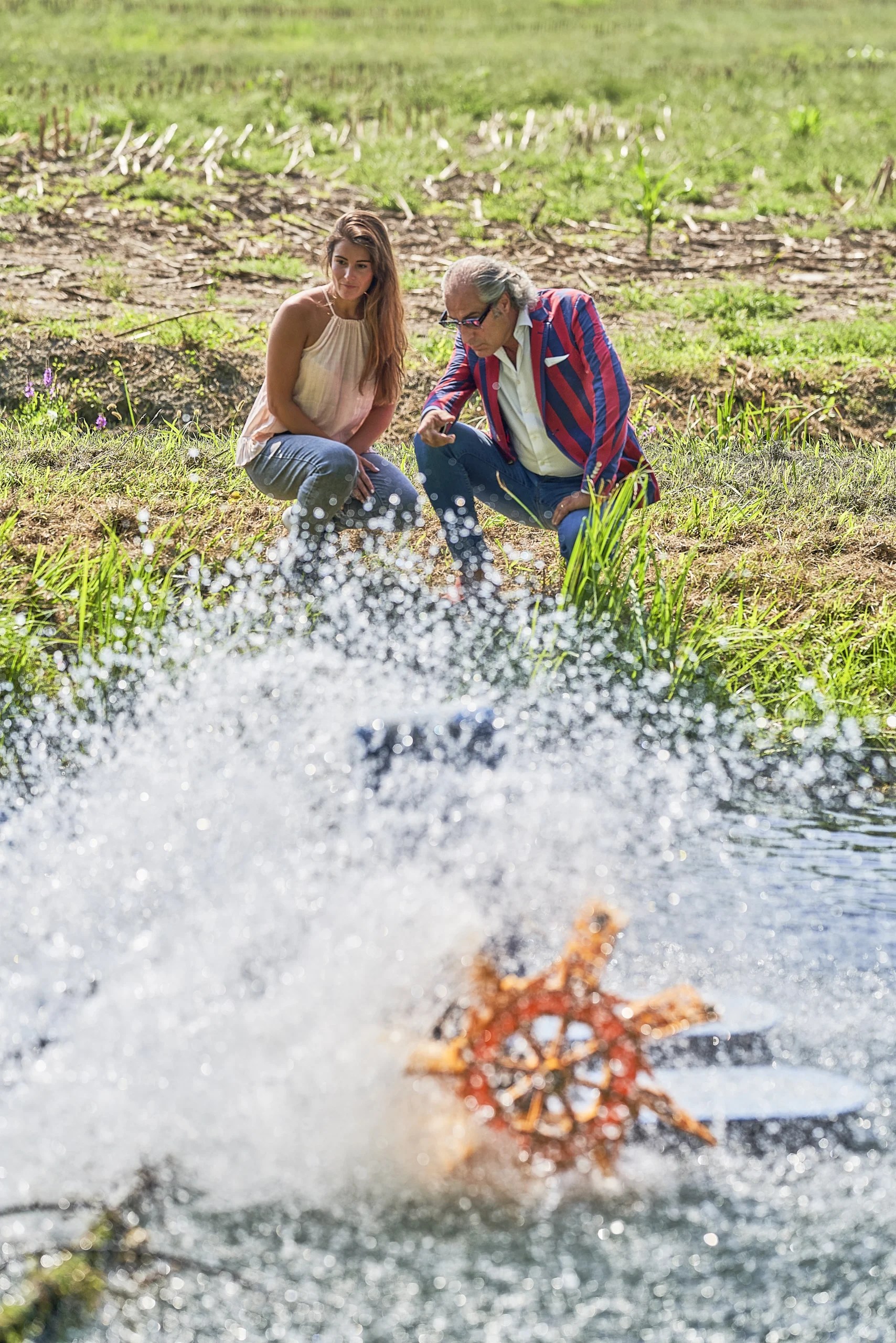
©Frank Croes
Founded in Belgium in 2012, Imperial Heritage built its reputation around one principle: remarkable caviar begins years before it reaches the table. The sturgeon, one of the oldest surviving fish species on Earth, requires extraordinary patience before producing roe suitable for harvest. Depending on the variety, this process may take ten, fifteen, or even twenty years, making time itself one of the most valuable ingredients. Because wild sturgeon fishing has long been prohibited to protect the species, every Imperial Heritage selection originates from responsible aquaculture developed according to strict environmental standards. Every harvest therefore represents decades of accumulated expertise, scientific knowledge, and constant observation rather than simple production. Behind every tin lies a process measured not in weeks or months, but in years.
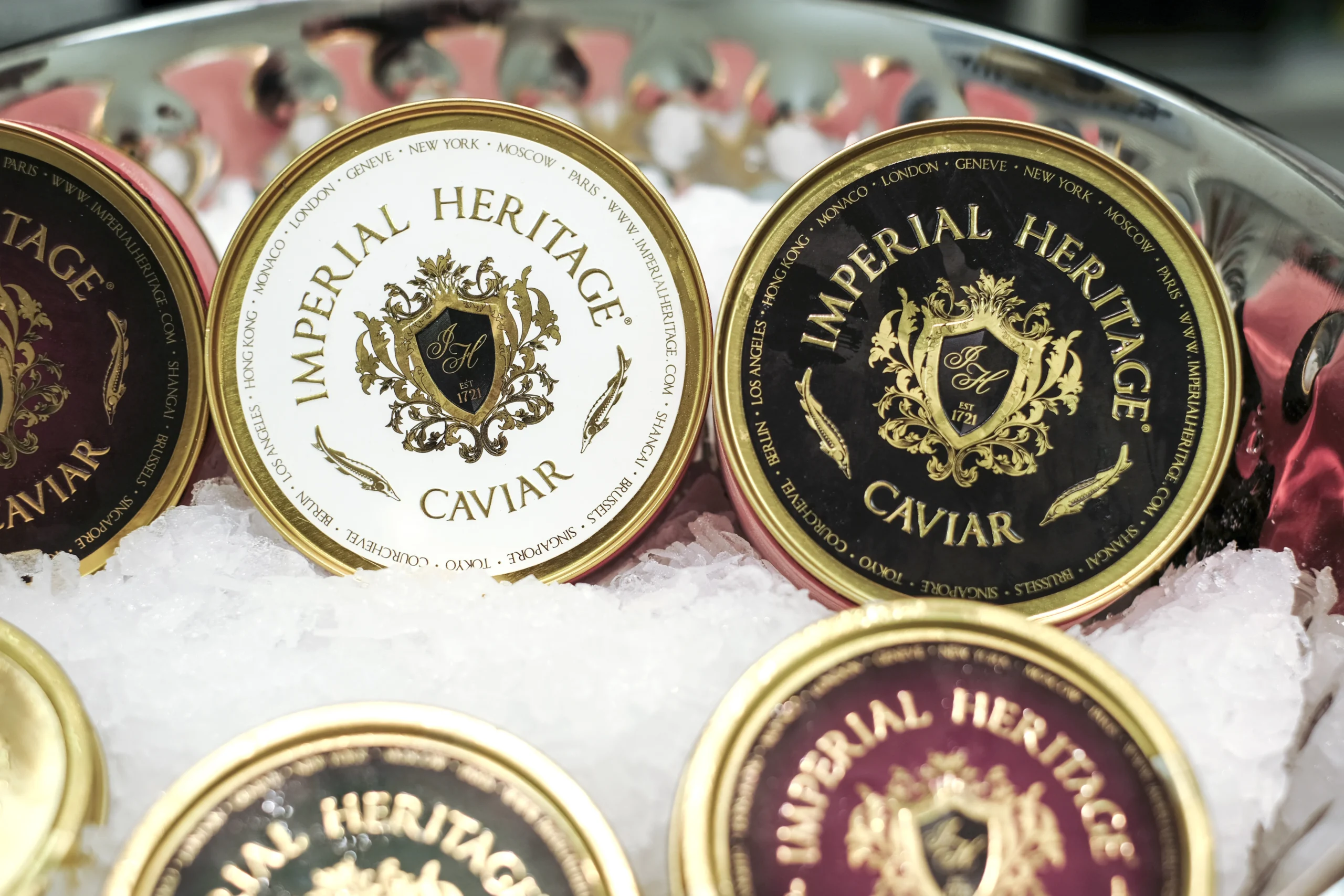
©Kris Hossey
Koenraad Colman, his wife Kristel Berghmans and their daughter Elisabeth continue to guide the company with careful attention to every stage of production. Imperial Heritage collaborates with selected farms in a.o Italy, Greece, Spain… all chosen for their exceptional natural conditions. Fed by crystal-clear spring water flowing directly from surrounding mountain ranges, these farms provide an environment rich in naturally occurring microorganisms that contribute to the healthy development of the sturgeon. Nothing is rushed. Before any caviar reaches clients, every batch undergoes multiple stages of evaluation, examining texture, colour, grain size, firmness, and aromatic profile. Only after this careful selection process is each variety classified according to its individual characteristics, allowing chefs and connoisseurs to choose caviar suited to their personal preferences.
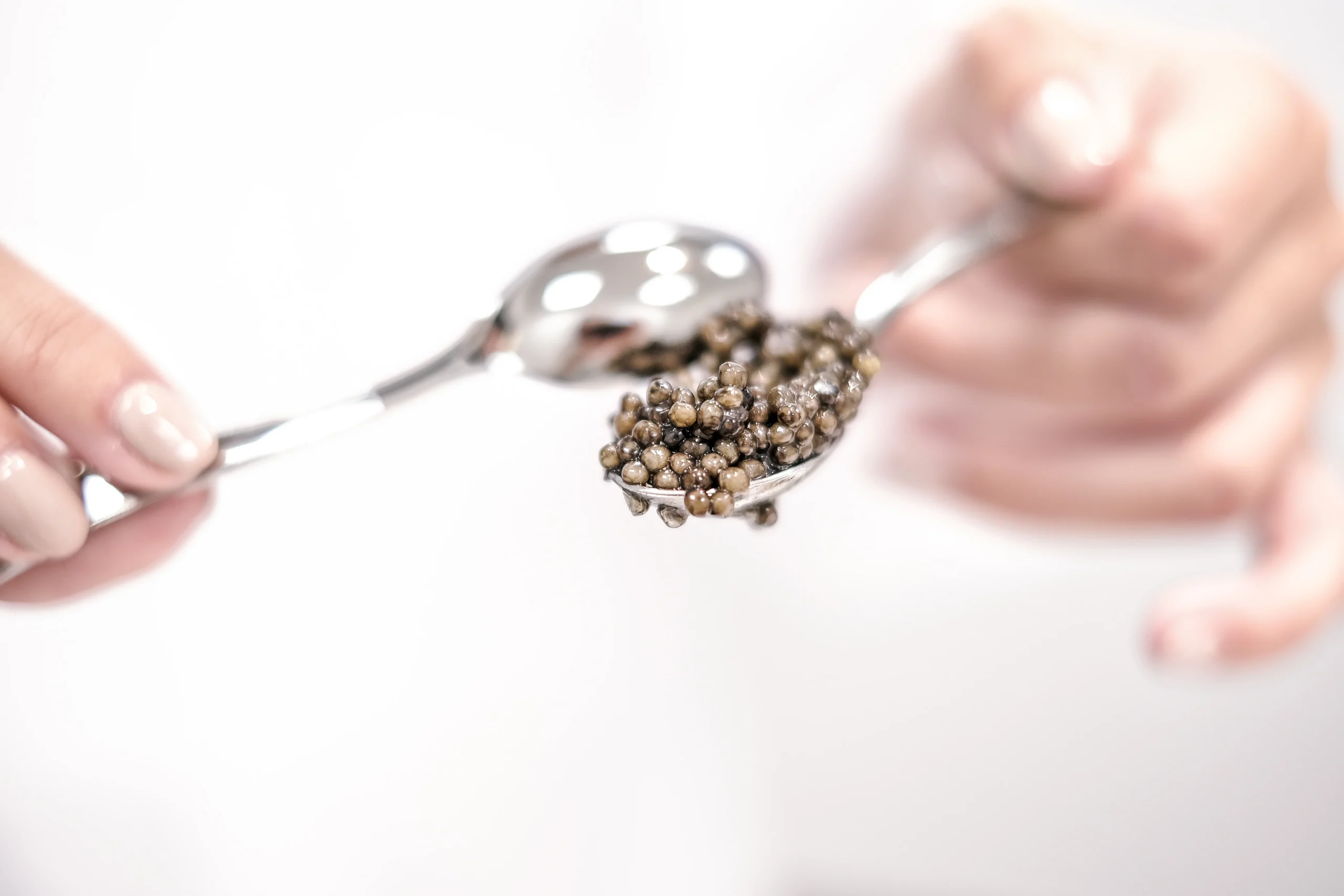
Serving exceptional caviar follows traditions that have remained largely unchanged for generations. Specialists often recommend beginning with a small portion placed on the back of the hand, allowing the caviar to warm naturally for a few seconds before tasting. This gentle increase in temperature gradually reveals the product’s aromatic profile, which should remain delicate, clean, and only faintly reminiscent of the sea. The grains are then pressed lightly against the palate with the tongue, releasing layers of flavour one after another instead of all at once. It is a simple ritual, yet one that transforms tasting into a far more complete sensory experience.
©Kris Hossey
Presentation deserves the same level of attention as the caviar itself. The tin is traditionally placed over crushed ice to preserve the ideal serving temperature throughout the meal, while the original lid often remains beside it as part of classic caviar service. Many experienced connoisseurs avoid metal spoons altogether, preferring mother-of-pearl, tortoiseshell, glass, or other non-metallic materials that preserve the delicacy of the flavour. Drinks are selected with equal care. Dry Champagne and well-chilled neutral vodka remain the classic companions because they allow the caviar to remain the central focus without introducing competing aromas. Freshness remains equally important: an unopened tin can retain its quality for several months under proper refrigeration, while an opened tin is best enjoyed within approximately 24 hours. Freezing is carefully avoided, as it permanently alters both the texture of the grains and the complexity of their flavour, qualities that define exceptional caviar from the very first tasting.