As the final red carpet was rolled away and the last guests departed the Croisette, the 79th Cannes Film Festival once again confirmed its position as the world’s most influential celebration of cinema. From 12 to 23 May 2026, filmmakers, actors, producers, and industry leaders gathered on the French Riviera for nearly two weeks of premieres, artistic discoveries, standing ovations, and unforgettable moments that captivated audiences far beyond Cannes.
by L’Officiel Monaco
This year’s edition carried particular significance as South Korean filmmaker Park Chan-wook presided over the Competition Jury. Widely regarded as one of contemporary cinema’s most distinctive voices, the director brought his artistic perspective to a selection that reflected the diversity and ambition of modern filmmaking.
At the conclusion of the festival, Romanian director Cristian Mungiu made Cannes history by receiving the Palme d’Or for a second time. His drama Fjord emerged as the jury’s choice for the festival’s highest honour, adding another milestone to a career already closely associated with Cannes.
The visual identity of the 2026 festival paid tribute to one of cinema’s most memorable female friendships. Designed by Hartland Villa, the official poster featured Geena Davis and Susan Sarandon during the filming of Ridley Scott’s Thelma & Louise. More than three decades after the film became a cultural landmark, the image celebrated independence, friendship, and the enduring power of female-led storytelling. The choice also carried symbolic significance, as Thelma & Louise had previously closed the 44th Cannes Film Festival in 1991.
French actress Eye Haïdara guided audiences through both the opening and closing ceremonies, bringing warmth and elegance to the festival’s most important official events.
Among the highlights of the 2026 edition was the presentation of three Honorary Palmes d’Or, recognising exceptional contributions to cinema and culture.
The first was awarded during the opening ceremony to acclaimed filmmaker Peter Jackson, whose work has shaped modern filmmaking through both technological innovation and epic storytelling. Later in the festival, John Travolta received a surprise Honorary Palme d’Or shortly before the world premiere of Propeller One-Way Night Coach, creating one of the event’s most talked-about moments. The third honorary distinction was presented to Barbra Streisand during the closing ceremony, celebrating a remarkable career spanning film, music, directing, and cultural influence.
The festival officially opened with The Electric Kiss, a French period comedy directed by Pierre Salvadori. The film set the tone for a programme that balanced established auteurs with emerging voices and reflected the broad range of storytelling currently defining international cinema.
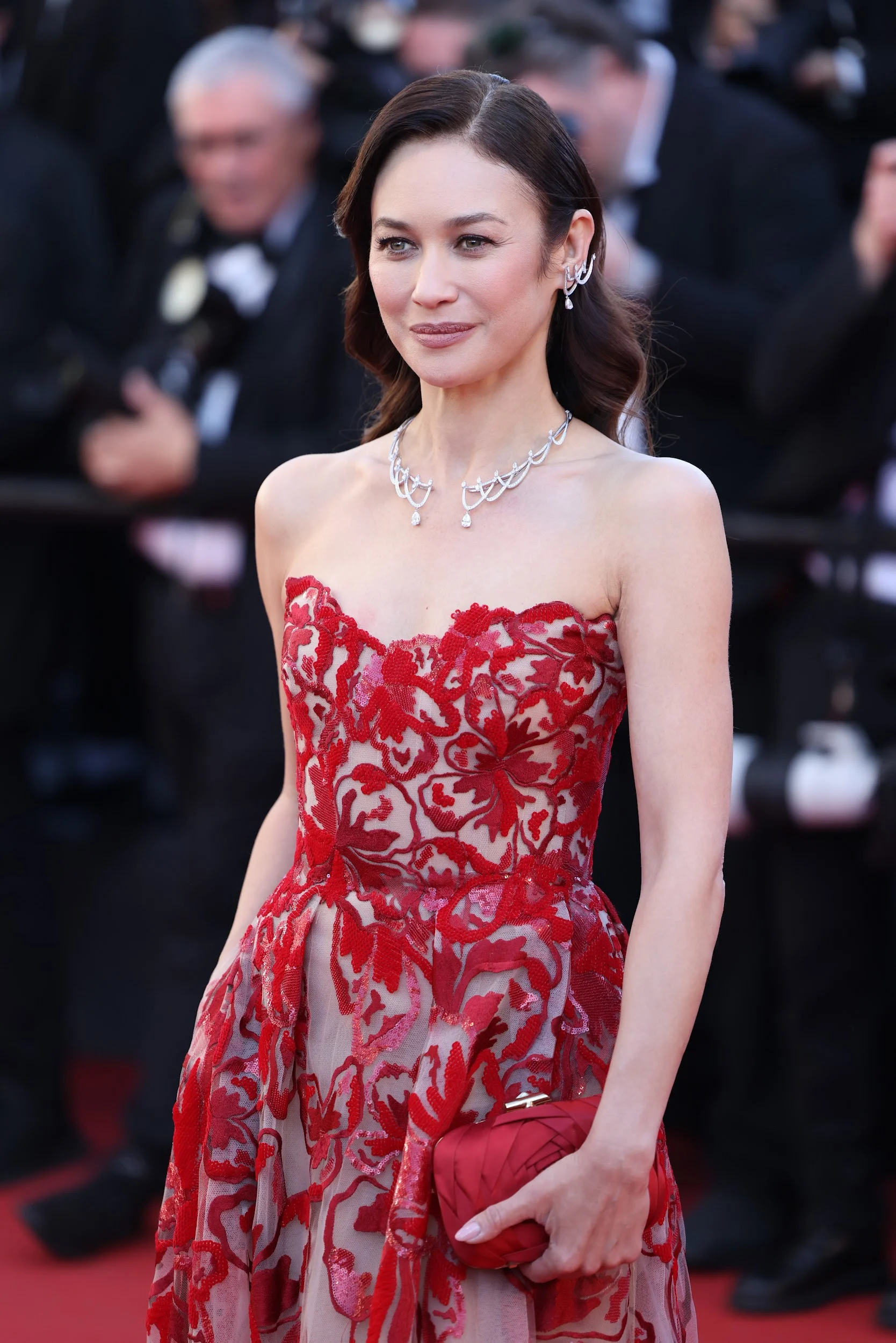
Months before the first guests arrived in Cannes, anticipation had already begun building. On 9 April, Festival President Iris Knobloch and General Delegate Thierry Frémaux unveiled the Official Selection during a press conference at Paris’s Pathé Palace. Their announcement revealed the scale of the festival’s reach, with 2,541 feature films submitted for consideration from around the world.
The initial Competition lineup featured twenty-one films representing three continents and included works from five female directors. The selection highlighted the festival’s continuing commitment to showcasing a wide range of perspectives while maintaining its reputation for artistic excellence.
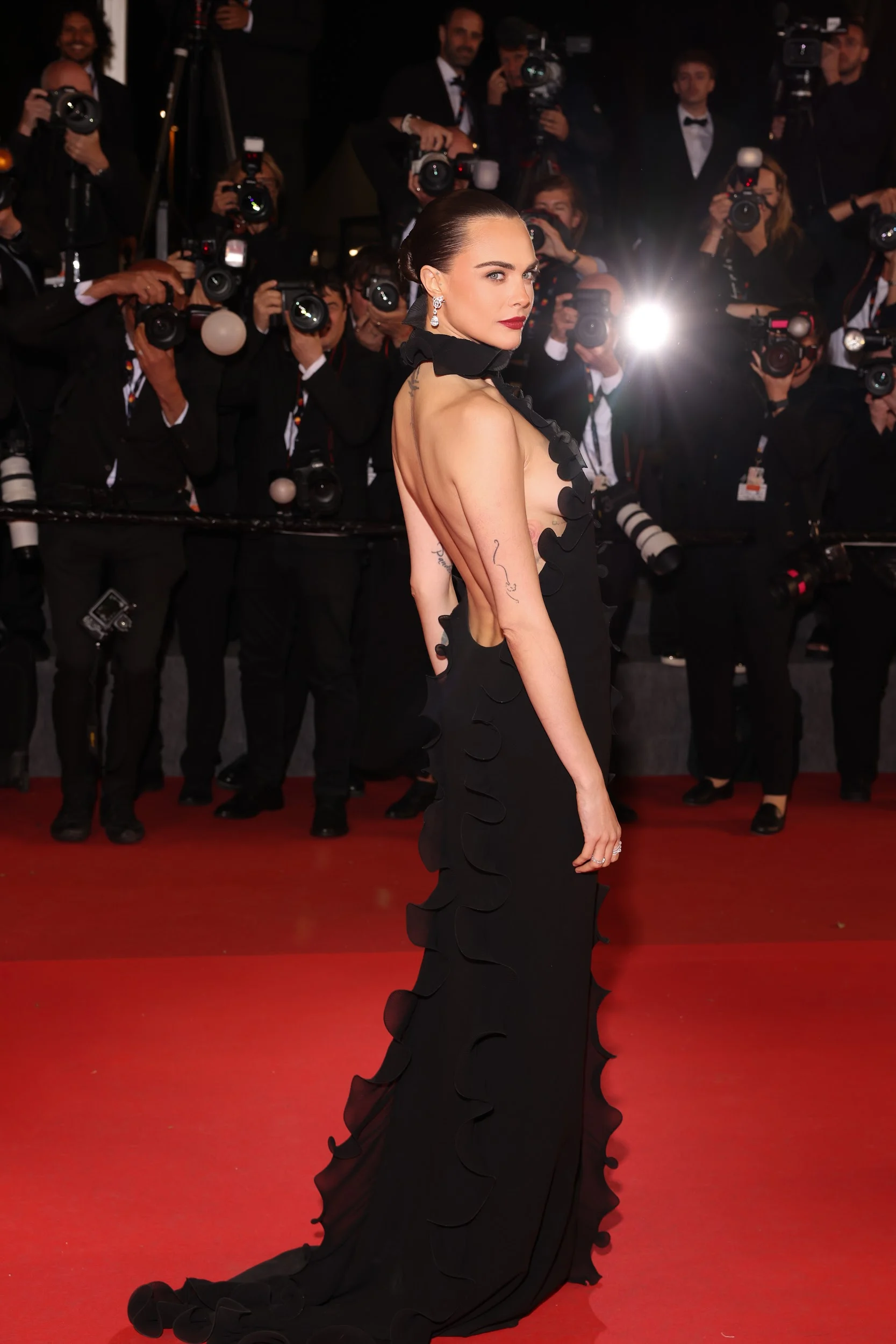
Among the notable titles was Pedro Almodóvar’s Bitter Christmas, the only Competition film that had already premiered prior to its Cannes screening. The celebrated Spanish filmmaker’s return generated considerable interest throughout the festival.
Thierry Frémaux also hinted during the announcement that an additional title could be added to the Competition. Weeks later, those expectations were confirmed when James Gray’s Paper Tiger joined the official lineup, strengthening an already highly anticipated selection.
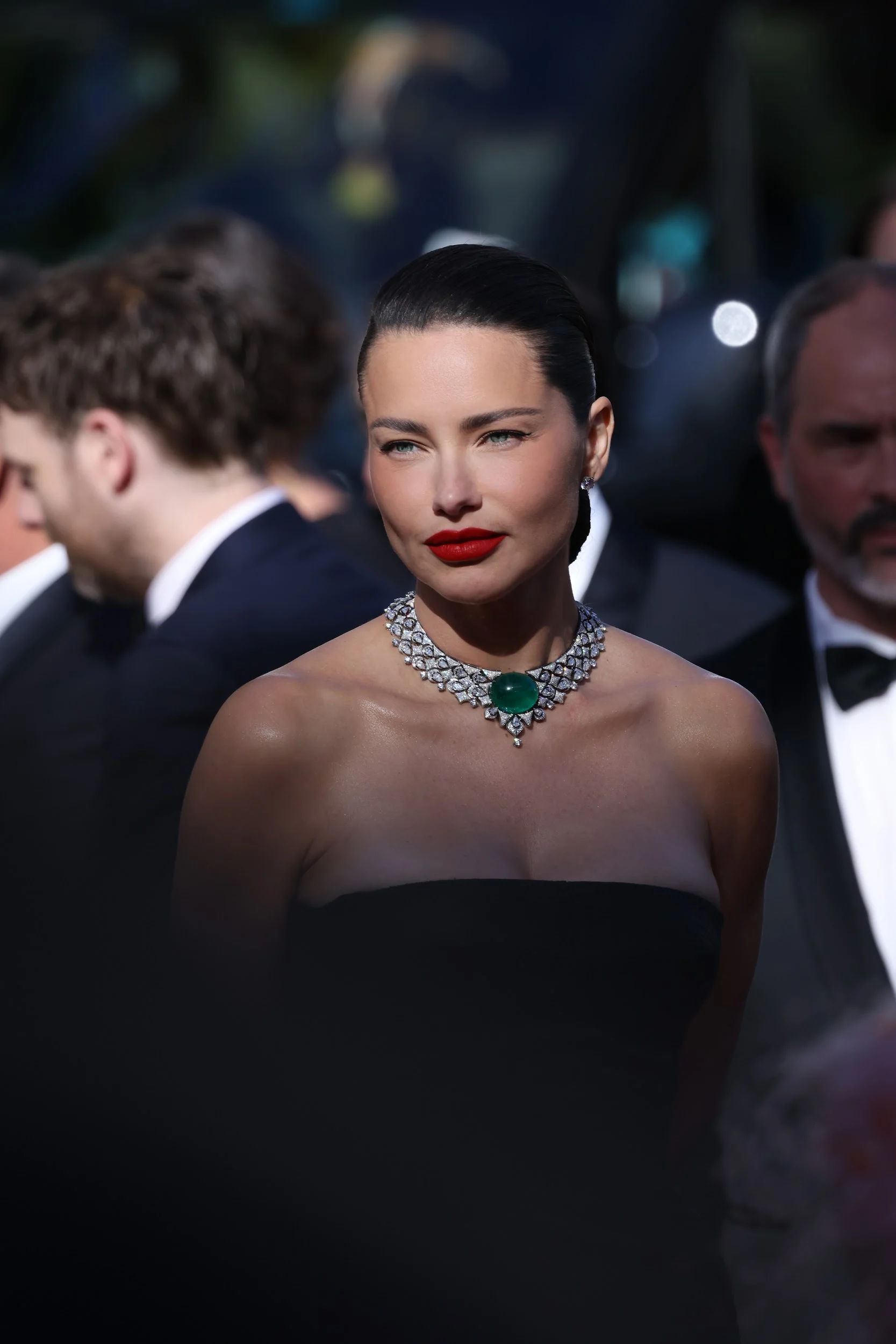
Beyond the awards and premieres, the 79th edition once again transformed Cannes into the centre of the global film industry. Along the Boulevard de la Croisette, conversations about future productions, emerging talent, distribution deals, and creative collaborations unfolded from morning until late at night. International media outlets, luxury brands, fashion houses, and cultural institutions all converged on the Riviera, creating the unique atmosphere that distinguishes Cannes from every other film festival in the world.
Photographer: Yaro @monacophotographerr