
Vitamin D is also known as the sunshine vitamin. During the darker months of the year, many people experience a deficiency. But what about during summer?
by Lisa Ditzlmüller
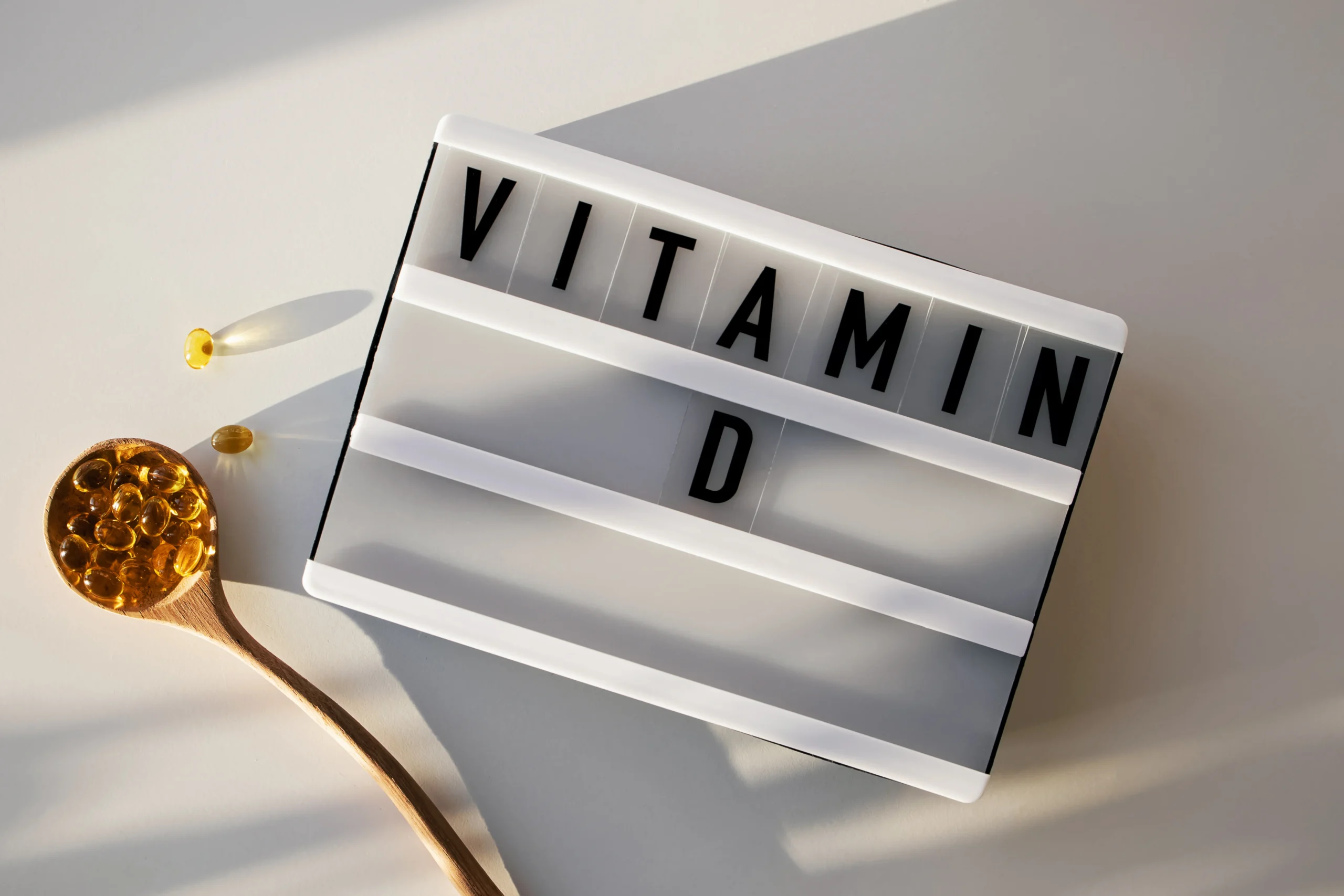
Vitamin D is a fat-soluble vitamin that our body is able to produce on its own. This process takes place through the skin with the help of UV-B rays from the sun. In our region, sufficient natural vitamin D production is therefore only possible during the sunnier months of the year — approximately from March to October. During this time, the body can produce enough vitamin D to sustain itself while also storing sufficient reserves in fat and muscle tissue for the winter months. Provided, of course, that we spend enough time in the sun and do not keep our skin fully covered.
How Much Vitamin D Do We Need?
There are different forms of vitamin D. The most important are vitamins D1, D2, D3, D4 and D5. However, when people generally refer to vitamin D, they are usually talking about vitamin D3. This is because vitamin D3 occurs naturally in sunlight and food, whereas the other forms are artificially produced.
According to the NHS, most people are able to produce sufficient vitamin D through sunlight exposure from late March to the end of September. However, vitamin D can also be obtained through food sources such as oily fish, egg yolks and fortified products — although diet alone is often not enough to maintain optimal levels.
The recommended daily intake for adults is generally around 10 micrograms (400 IU) of vitamin D per day, particularly during periods with limited sun exposure.

Is Taking Vitamin D Supplements in Summer Beneficial?
Vitamin D plays a key role in bone metabolism. It is needed to help the body absorb calcium and phosphate into the bones and is essential for proper bone mineralisation. In addition, vitamin D is involved in various metabolic processes and plays an important role in gene regulation.
Although summer is considered the ideal time to replenish vitamin D stores, many people still fail to spend enough time in the sun. Professional commitments, sunscreen use and generally limited time outdoors can significantly affect the body’s natural vitamin D production. Studies have shown that even during summer, many individuals do not reach optimal vitamin D levels.
Sunscreen is essential for protecting the skin against skin cancer, but it also blocks the UV-B rays required for vitamin D production. Even a sun protection factor of 15 can reduce vitamin D synthesis by around 90 per cent. As a result, finding the right balance between adequate sun protection and sufficient vitamin D production can be challenging.
Some groups of people may also benefit from vitamin D supplementation during summer:
1. Older adults: As we age, the skin’s ability to produce vitamin D decreases.
2. People with darker skin tones: They require more sun exposure to produce the same amount of vitamin D as those with lighter skin.
3. People who rarely spend time outdoors: Those who spend most of their time indoors for work or are unable to be in the sun for health reasons also face a higher risk of vitamin D deficiency.
4. Infants and young children: Their vitamin D requirements are higher, and due to their sensitive skin, they should be protected from direct sun exposure.

Should I Take Vitamin D Supplements During Summer?
Although the body is generally able to produce sufficient vitamin D during summer, there are many factors that can interfere with this process. Vitamin D supplementation during the summer months may therefore still be beneficial, particularly for certain risk groups. A blood test carried out by a doctor can provide clarity about an individual’s vitamin D status and determine whether supplementation is necessary.
Although vitamin D deficiency is far more common, an overdose can have serious consequences. In general, excessive vitamin D intake through food or sunlight is highly unlikely. However, over-supplementation through dietary supplements can occur.
An overdose can lead to elevated calcium levels in the body, which may cause nausea, loss of appetite, vomiting or abdominal cramps. In severe cases, kidney damage, cardiac arrhythmias, loss of consciousness and even death may occur.
To ensure supplementation does more good than harm, it is always advisable to consult a doctor and have blood levels tested beforehand.
Photos: Shutterstock