
Tiny punctures for younger-looking skin? Microneedling refines the complexion without the need for invasive procedures. We take a closer look at the anti-ageing treatment.
by Lisa Ditzlmüller

Microneedling has grown significantly in popularity in recent years and has become one of the most sought-after cosmetic treatments in aesthetic medicine. Hardly surprising, considering the trend comes straight from Hollywood and is heavily endorsed by celebrities and beauty insiders alike. The technique has the potential to refine the complexion and restore a radiant glow. By stimulating the skin’s natural self-repair process, structural damage is reduced while the skin is reorganised and renewed from within. The result is an improvement in both appearance and overall skin function.
Microneedling is a minimally invasive treatment in which ultra-fine needles are inserted into the skin using either a dermaroller — a roller covered with tiny needles — or a dermapen, a vibrating pen-like device. This creates microscopic injuries that trigger the skin’s natural regeneration process and encourage a range of positive changes. The treatment helps reduce the appearance of fine lines and wrinkles, leaving the skin looking firmer, smoother and more youthful.
In addition, microneedling improves overall skin texture. The tiny needles stimulate cell renewal and boost blood circulation, resulting in a more even and refined complexion. This can be particularly beneficial for those struggling with acne scarring, enlarged pores or uneven pigmentation.
Microneedling also enhances the absorption and effectiveness of skincare products. The microchannels created by the needles allow active ingredients to penetrate deeper into the skin, delivering more targeted and effective results. Products such as vitamin C serums, hyaluronic acid and peptides are absorbed more efficiently, helping to maximise their benefits.
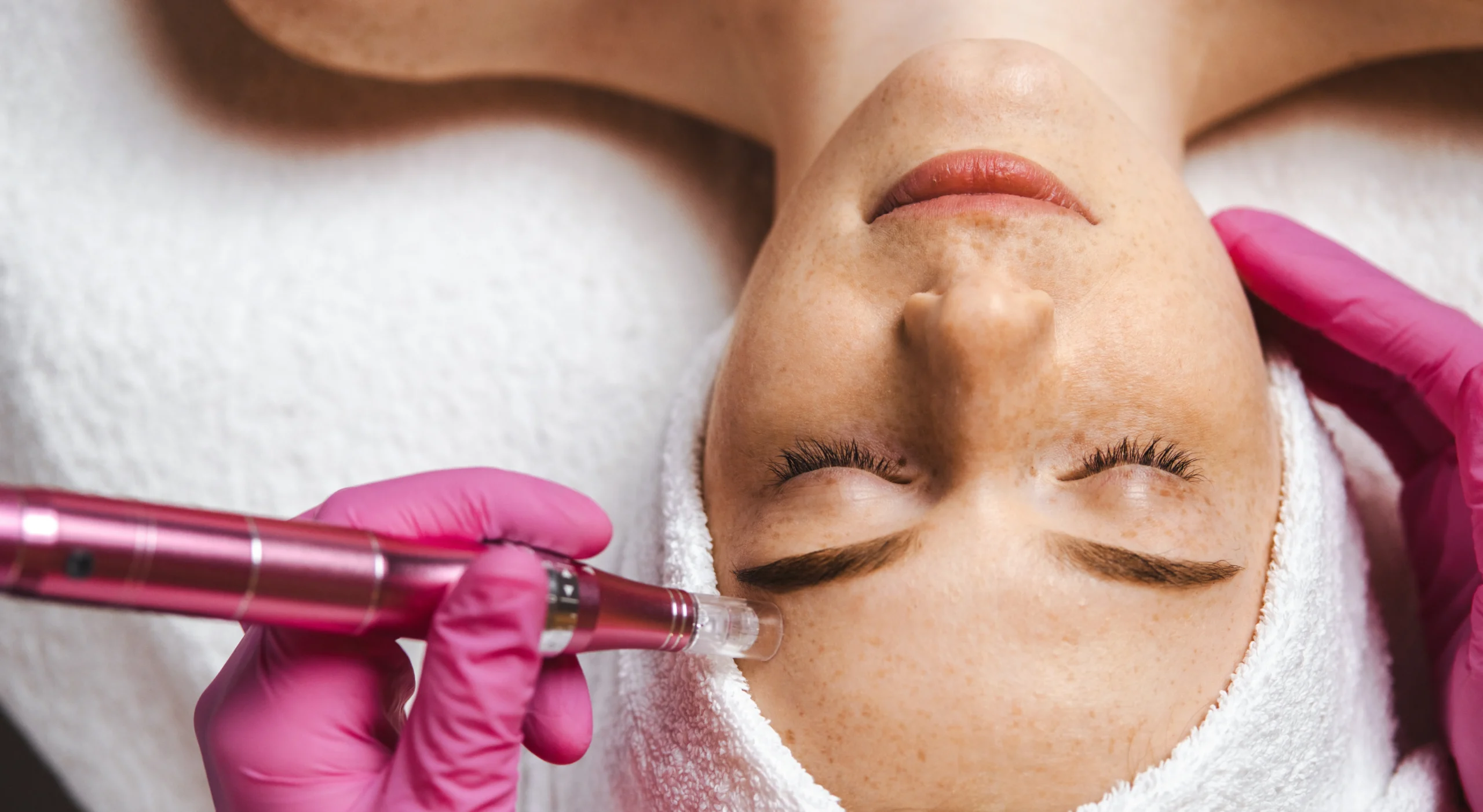
Medical Microneedling vs Cosmetic Microneedling
There is a difference between medical microneedling and cosmetic microneedling. Medical microneedling may only be performed by qualified medical professionals (such as doctors). In this procedure, the needles penetrate up to 2.5 mm beneath the skin, reaching the dermis — also known as the deeper layer of the skin. This layer consists of collagen fibres and is responsible for the skin’s stability and elasticity.
As microneedling stimulates collagen production, deeper penetration into the skin leads to more effective results. Medical microneedling is also better suited for deeper wrinkles and scars. The deeper the needles penetrate the skin, the more effective the treatment becomes. However, as this also carries a higher risk of infection and scarring, it is essential that medical microneedling is only performed by medical experts.
In cosmetic microneedling, the needles penetrate up to 0.5 mm beneath the skin. It helps reduce fine lines, improves the overall appearance of the skin and refines pores. Pigmentation marks become lighter or may disappear completely, depending on the frequency of the treatment. In general, cosmetic microneedling is less expensive than medical microneedling.
Microneedling: Procedure and Side Effects
Before every treatment, the first and most important step is cleansing the skin. Before the procedure begins, a topical numbing cream may be applied (mostly in medical microneedling). During the treatment, active ingredients such as hyaluronic acid or vitamins are applied depending on the desired result and worked deep into the skin using the needles. The face is needled until the skin becomes red. Usually, the entire face is treated once or twice. Afterwards, the skin is cleansed and nourished.
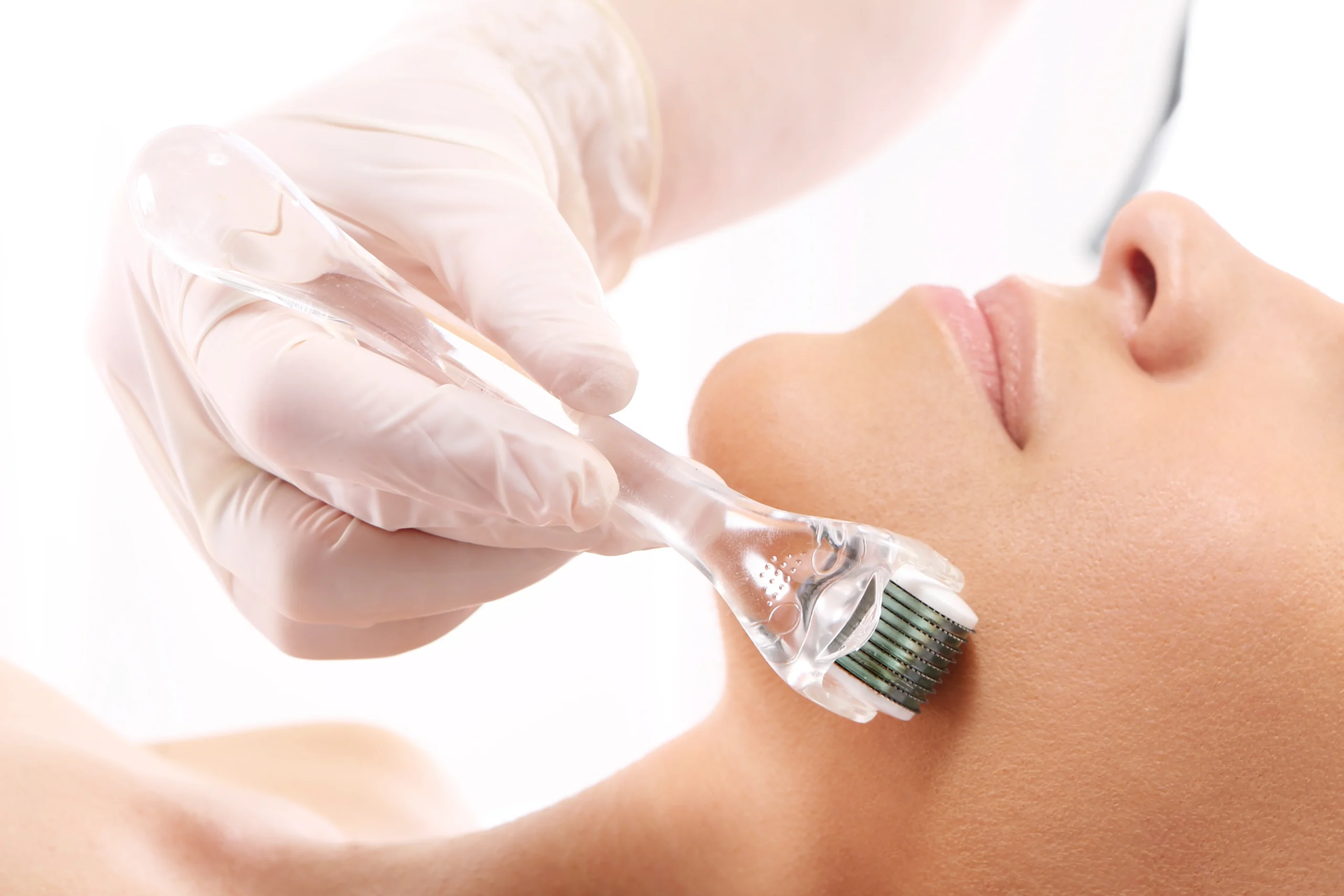
It takes up to 24 hours for the tiny microchannels in the skin to close again. During this time, it is particularly important to avoid sunlight and keep the skin clean. Excessive sweating (such as exercise) and make-up should be avoided for one to two days. During this period, the skin is red — it looks and feels like sunburn — and requires especially intensive care. After a few days, the skin may begin to peel. The first results become visible after around two weeks.
Depending on the desired results, it is recommended to repeat the treatment three to five times at intervals of four to six weeks. A follow-up refresh treatment can then be carried out after approximately twelve months.
Pain During Microneedling: The Editorial Team’s Experience
I have now completed my third cosmetic microneedling treatment using the SkinPen. Before my first session, I deliberately avoided googling whether microneedling was painful — just in case I might back out. So, I truly did not know what to expect. Surprisingly, microneedling is actually very manageable. Of course, you can feel the needles, but it is more of a pressure sensation or a light prickling feeling.
Interestingly, the pressure during my second treatment felt noticeably lighter, while the third session was slightly more intense again (though still very low in pain). This is linked to hormonal influences on our perception of pain. After the treatment, the skin feels plumper, pigmentation marks have become lighter and in some areas disappeared completely. My pores also appear much finer now. I can definitely recommend giving microneedling a try.
Photos: Shutterstock