
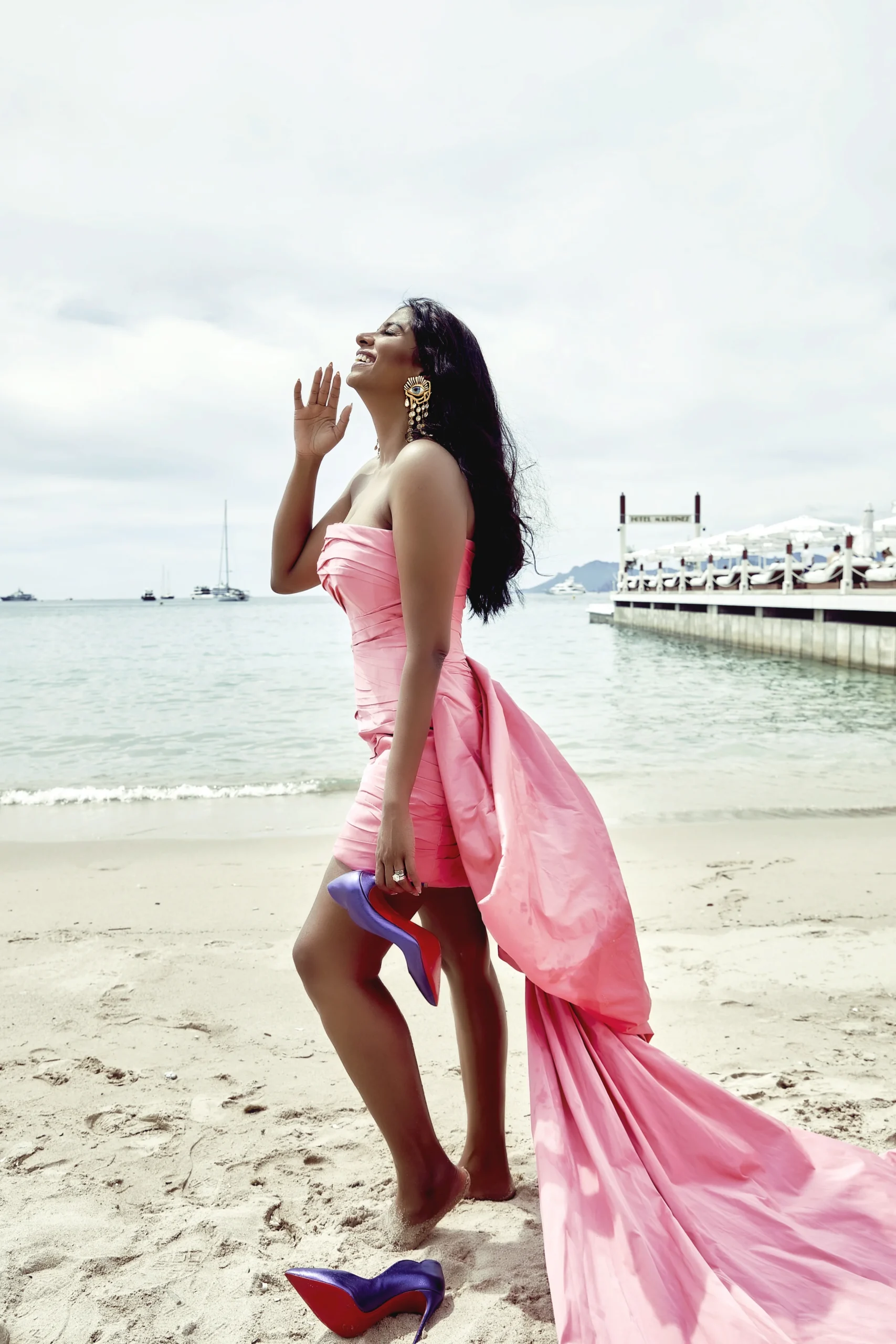
Priyanka Chigurupati, Executive Director of Granules India, is a second-generation business leader whose career spans the fashion and pharmaceutical industries. After founding a fashion venture, she moved into healthcare and has spent over 13 years contributing to Granules India’s growth, leading strategy, international expansion, and portfolio development across India and the United States. Known for her focus on expanding healthcare access, strengthening teams, and supporting women in leadership, she remains closely engaged with the fashion sector, offering insights into creativity, entrepreneurship, and consumer behaviour. This interview is especially meaningful for L’Officiel Monaco, as it highlights how skills, ideas, and leadership can span industries while remaining rooted in creativity and purpose.
By L’Officiel Monaco
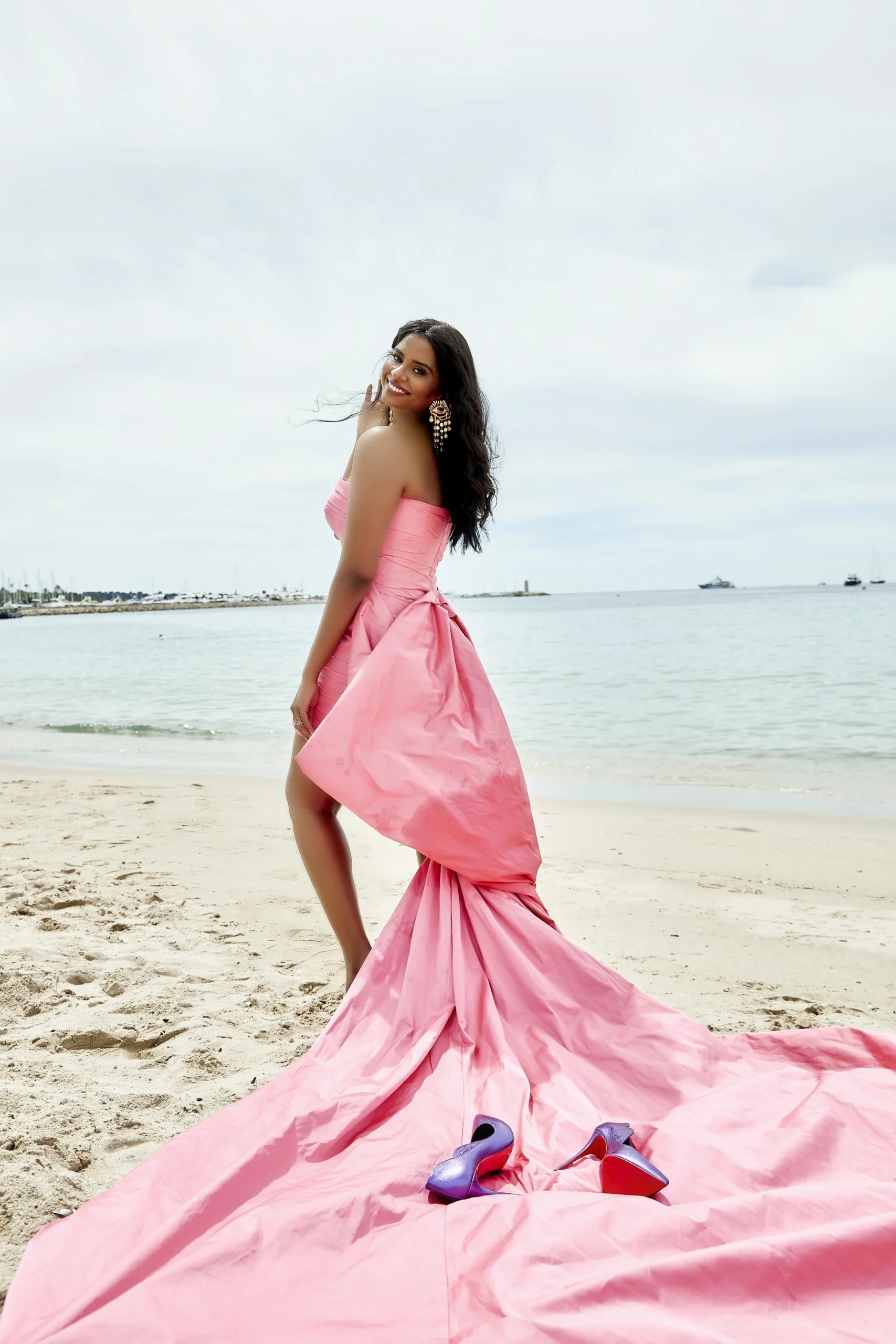
1. You transitioned from a creative background at Parsons School of Design to a high stakes executive role at Granules India. How does your “fashion mindset” influence your strategic decisions in the pharmaceutical industry today?
I’ve always believed that creativity and strategy are far more connected than people assume. My education at Parsons taught me to think about systems, emotion, storytelling, and human behavior, and those lessons absolutely translate into business. In a way it anticipate shifts in culture understand aspiration, and pay attention to detail. On a lighter note, dressing for the role makes me feel more empowered, empowerment to me means confidence which in a way, directly or indirectly helps make decisions.
2. You’ve mentioned that modern leadership allows women to be multidimensional. Why is it vital for you to prove that one can negotiate billion-dollar deals while still appreciating fashion and culture?
For a long time, leadership was presented in very rigid terms, especially for women. You were expected to fit into one box to be considered credible and you are/ were expected to dress conservatively or a certain way to be take seriously. I think the modern generation is changing that. I can sit in a room discussing multi million dollar strategy, regulatory risk, or global expansion, and still genuinely appreciate fashion, art and culture and raise a child all together. Those things are not contradictions. I think it’s important for younger women to see that ambition does not require the erasure of personality. I was made to do that in the past. Today, I do it my way. Today, I am far more confident that I was back then because I am my most authentic self.
3. Women are often forced to choose between being “taken seriously” or being “expressive.” How do you personally navigate these extremes to maintain your authentic identity as a leader?
I stopped trying to separate different parts of myself. Authenticity is ultimately more sustainable than performance. I think competence speaks for itself over time, and once that foundation exists, you no longer feel the need to dilute your personality to fit expectations. I’ve learned that being expressive does not make you less serious, and being serious does not mean becoming onedimensional. The strongest leaders today are people who are self-aware enough to integrate all parts of who they are.
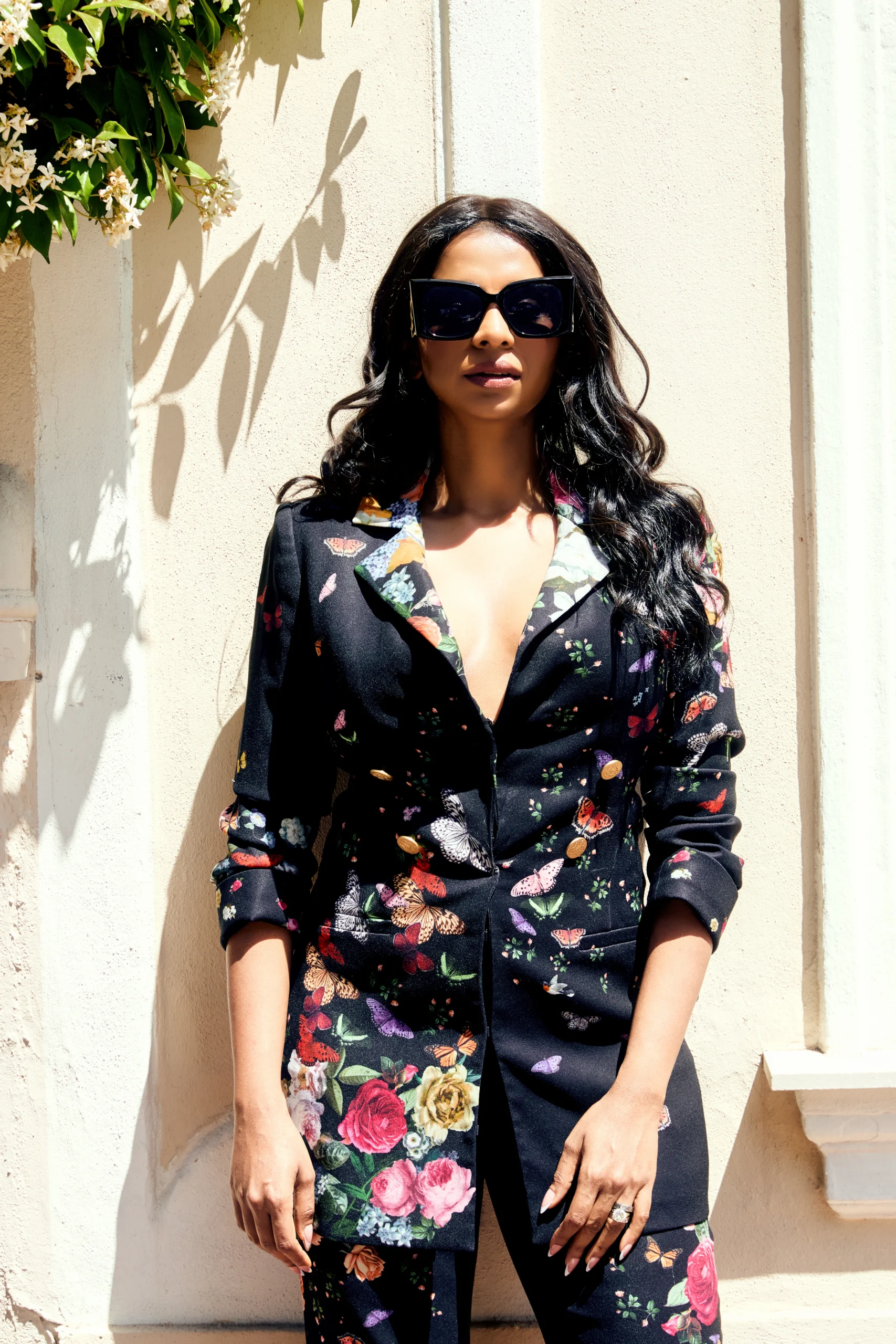
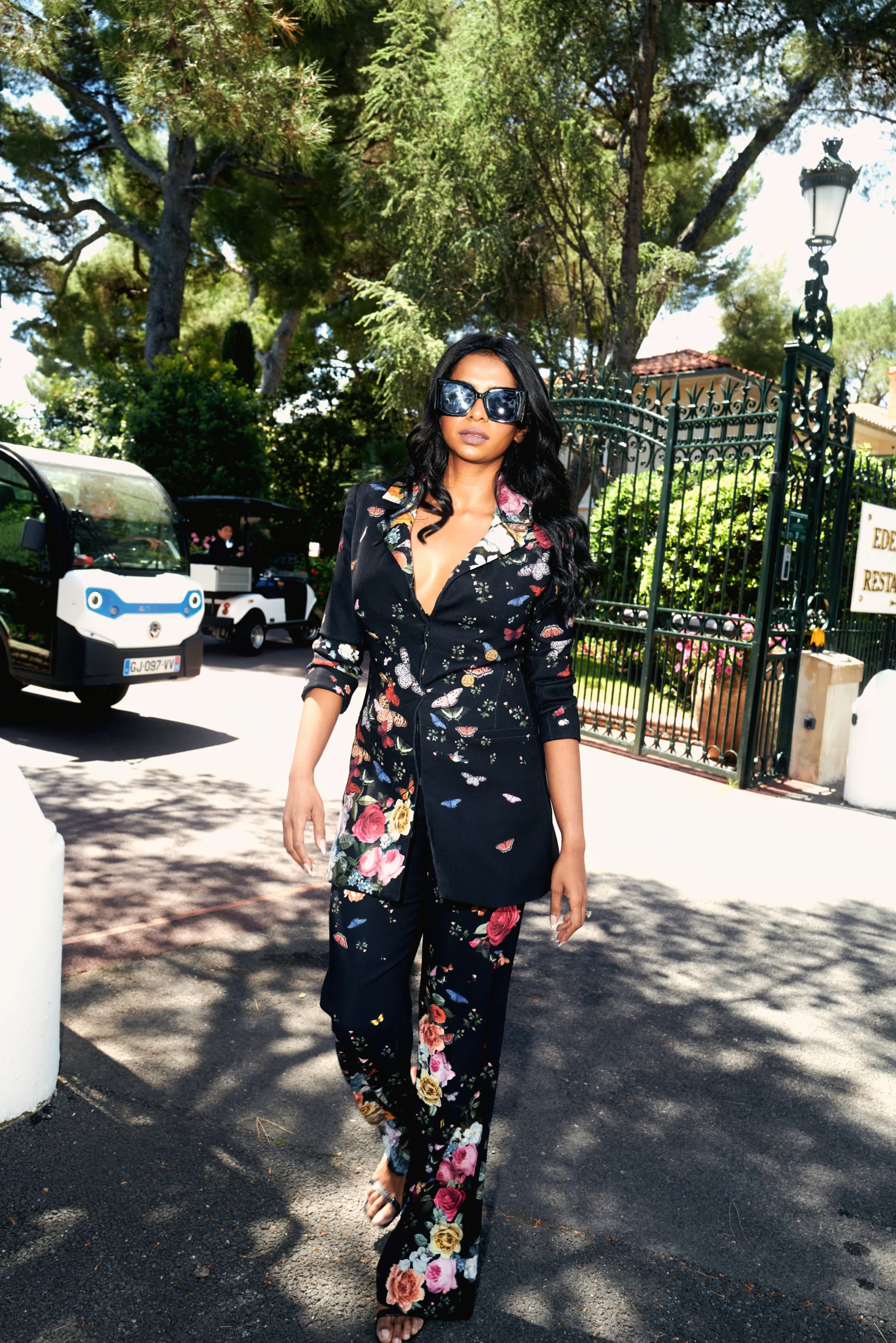
4. What brings an executive from the global healthcare sector to the Cannes Film Festival this year? How do you see the intersection of business, media, and influence evolving in this environment?
Cannes is one of the few places in the world where global influence converges across industries, entertainment, luxury, technology, media, investment, and now increasingly healthcare and innovation. I’m here because business today is no longer built only in boardrooms. Narrative matters. Visibility matters. Relationships matter. Companies of varied backgrounds are entering a phase where communication, trust, and cultural relevance are becoming just as important as operational excellence. Cannes creates an environment where those conversations happen organically with the right people. You never know how a conversation can take you places and help with strategic decision making.
5. As a second-generation business leader, you are part of a new wave of Indian executives. How is this generation reshaping the image of Indian companies on the international stage?
I think the new generation of Indian business leaders is far more globally integrated while still being deeply rooted in Indian resilience and entrepreneurial thinking. We grew up consuming international culture, studying abroad, working across markets, and understanding how interconnected the world really is. As a result, Indian companies are no longer viewed purely as cost-efficient operators — they are increasingly being seen as innovation-driven, quality-focused, and globally ambitious organizations. There’s also a confidence now. Indian leadership is becoming more visible on the world stage without trying to imitate the West.
6. You’ve stated that global influence is built where business, creativity, and human connection intersect. How does a platform like Cannes facilitate these high-level connections for you?
The most valuable opportunities often emerge from unexpected intersections. A conversation that begins around media or culture can evolve into a strategic partnership, an investment, or a longterm collaboration. Platforms like Cannes accelerate those interactions because they bring together people who influence industries, capital, and public perception all in one place. In today’s world, influence itself has become a form of infrastructure for business growth.
7. Despite your success in pharma, you remain intentionally connected to the fashion world through selective investments. What specific qualities do you look for in a creative venture today?
First, I invest in people. I’m drawn to ventures that have a strong point of view and long-term identity rather than trend-driven hype. Whether it’s fashion, beauty, wellness, or creative media, I look for founders who understand both aesthetics and scalability. Creativity alone is not enough; operational discipline matters enormously. The brands that endure are the ones that create emotional resonance while still building sustainable business models. Most importantly, I should find a need for that business in the market. That internal tug makes the final decision.
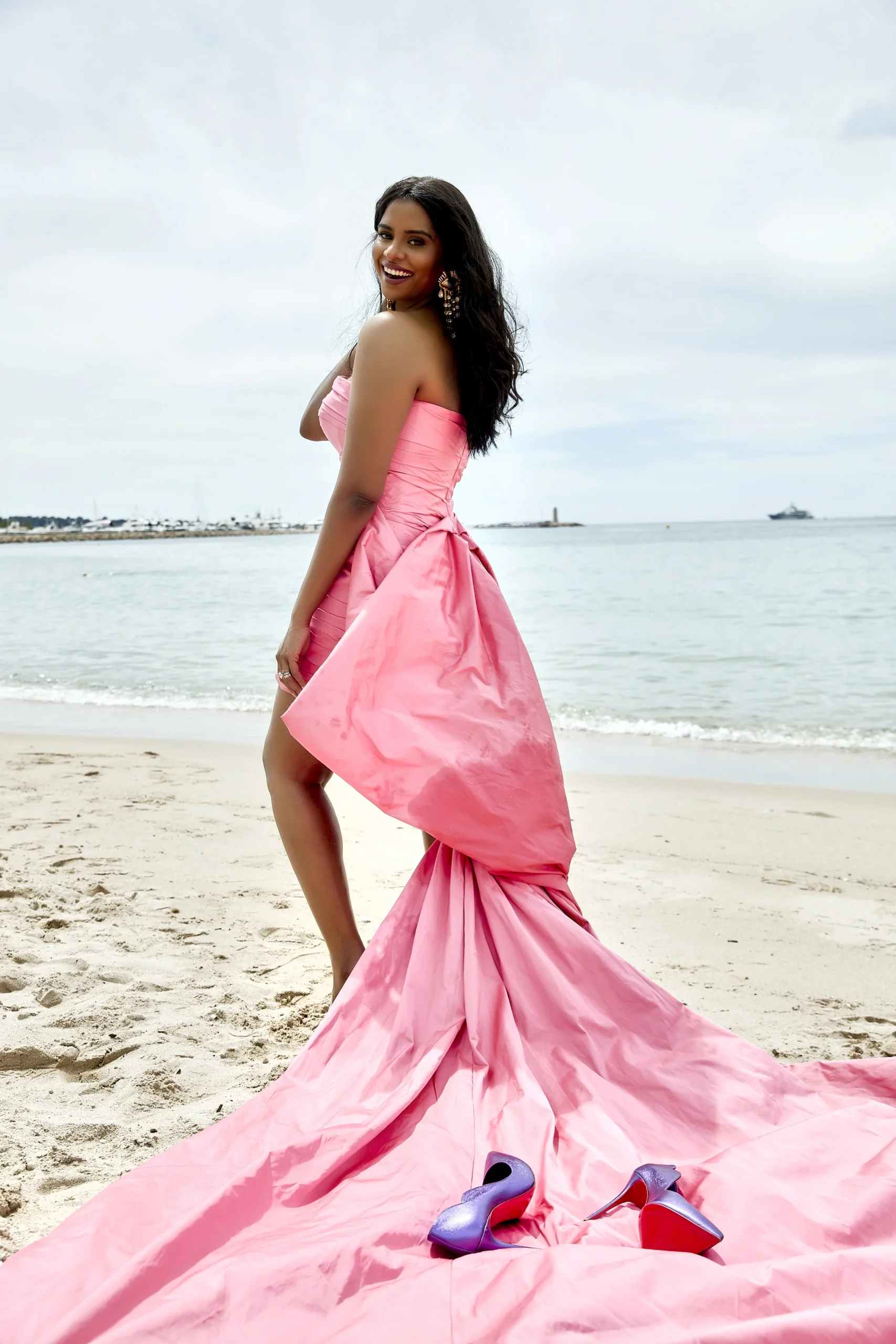
8. Your biography emphasizes building resilient teams and empowering diverse talent. How do you balance operational rigor with your commitment to healthcare access and social impact?
Healthcare is a deeply purpose-driven industry because the impact is real and human. But purpose without execution doesn’t create change. I believe operational rigor is what enables impact at scale. Building resilient systems, investing in quality, empowering teams, and creating accountability are all necessary if you genuinely want to improve healthcare access globally. I try to lead with empathy, but also with clarity and high standards. The balance is important.
9. In your view, how important is “cultural engagement” for a CEO who aims to build an enduring, human-centric global business?
I think cultural intelligence is becoming one of the most underrated leadership skills globally. Businesses today operate across geographies, generations, and value systems. A leader who understands culture understands people — and ultimately businesses are built around people. Cultural engagement helps you communicate better, build trust faster, and stay relevant in a rapidly evolving world. It also prevents leadership from becoming disconnected or insular.
10. What is the one thing you want readers of L’Officiel to take away from your journey and your presence here on the Riviera?
Priyanka Chigurupati: I would want readers to understand that substance and style do not compete with each other. You can be intellectually serious, commercially driven, and deeply ambitious while still appreciating beauty, creativity, and culture. I think the future belongs to leaders who are multidimensional — people who can move fluidly between industries, ideas, and identities without losing authenticity. That, to me, is modern leadership.