From Beirut to Riyadh, Dubai, Doha and Amman, the region is not simply producing new designers. It is building the industry around them, developing its own networks, institutions and platforms along the way.
By Mayudi Patel
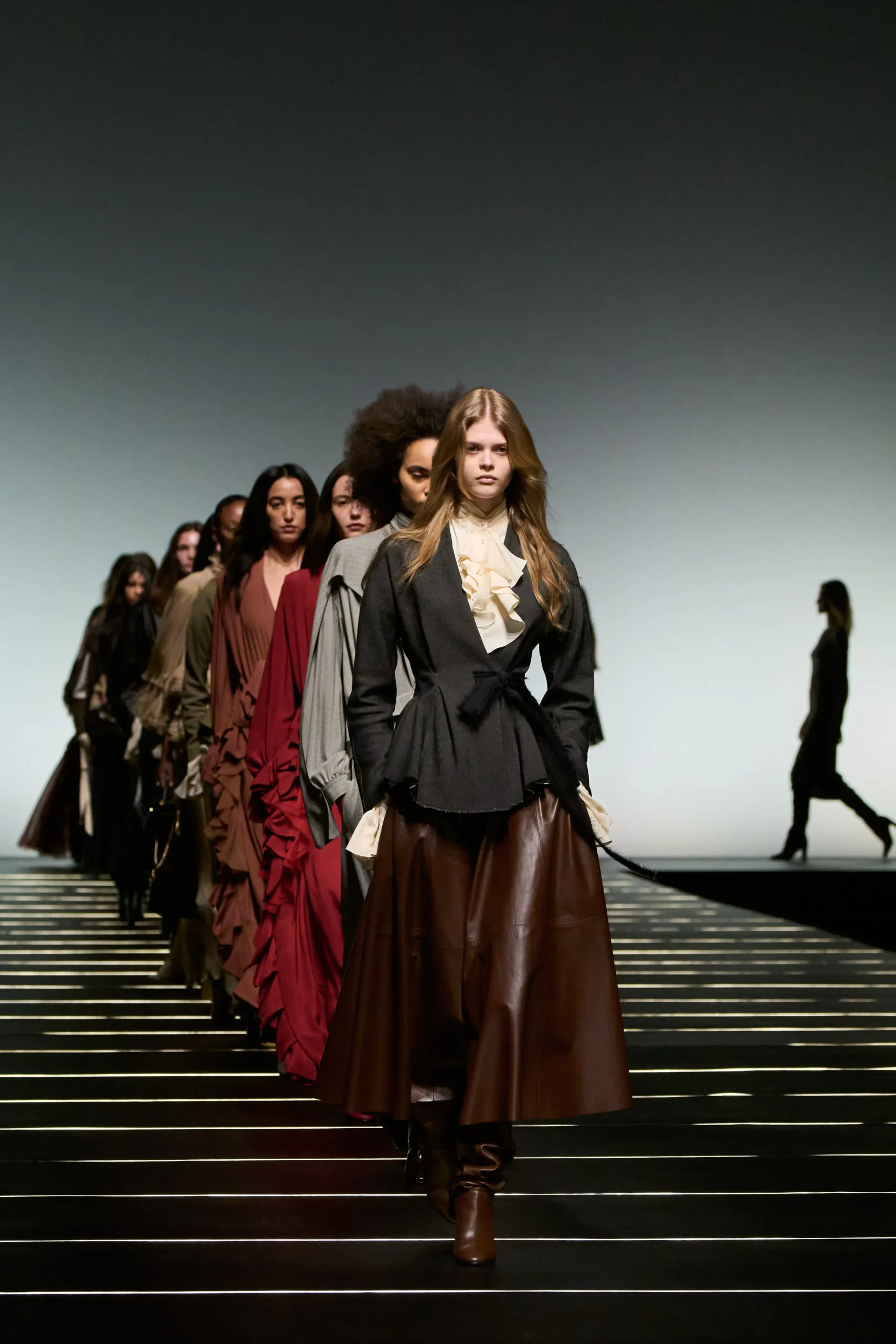
Something has shifted in how the Middle East approaches fashion, and it isn’t only a question of talent. For decades, the region produced individual names who could hold their own on any red carpet or couture calendar. What’s different now is that those names are no longer working alone. They are emerging alongside fashion weeks with real institutional backing, funding bodies built to move designers from recognition to sustainable business, and government departments that now treat fashion as a serious growth sector rather than a cultural curiosity. In its State of Fashion Sector in Saudi Arabia 2024 report, the Saudi Fashion Commission found that the fashion industry contributed 2.5% to national GDP in 2023, while its market value was projected to reach $42 billion by 2028. The number matters less as a statistic than as a signal: this is capital and policy attention aimed at an industry, not enthusiasm for a handful of gifted designers.
That shift shows up first in the numbers, and just as clearly in what’s being built to sustain it. Less visible than any single collection, but more consequential, is what’s happening one layer beneath the runway (see our companion feature on the designers themselves): a fashion ecosystem developing in parallel with the region’s talent, not decades behind it, the way it did in the fashion capitals that came before.
Building a Fashion Ecosystem
None of it would add up to a lasting shift without infrastructure behind it. What’s different from earlier waves of interest in Middle Eastern design isn’t simply that there are more good designers. It’s that there’s now something built around them: fashion weeks with government backing, funding bodies that convert prizes into mentorship and retail access rather than a headline, and relationships that put product in front of buyers rather than press alone.
Riyadh Fashion Week, run by Saudi Arabia’s Fashion Commission (established in 2020 under the Ministry of Culture to develop the country’s fashion industry), has grown into more than a showcase. Its third edition, held over six days in October 2025, brought together more than 30 runway shows across sites including Bedrock, The Roof at Al Mamlaka and JAX; WWD reported the Commission hosted 70 buyers, most of them international. The edition marked Vivienne Westwood’s Middle East debut and Stella McCartney’s first Middle East runway show, the latter described by the house itself as 95% conscious and entirely cruelty-free. The 2026 edition adds buyer-designer matchmaking and sustainability panels, the kind of detail that reads like business development, not festival organising.
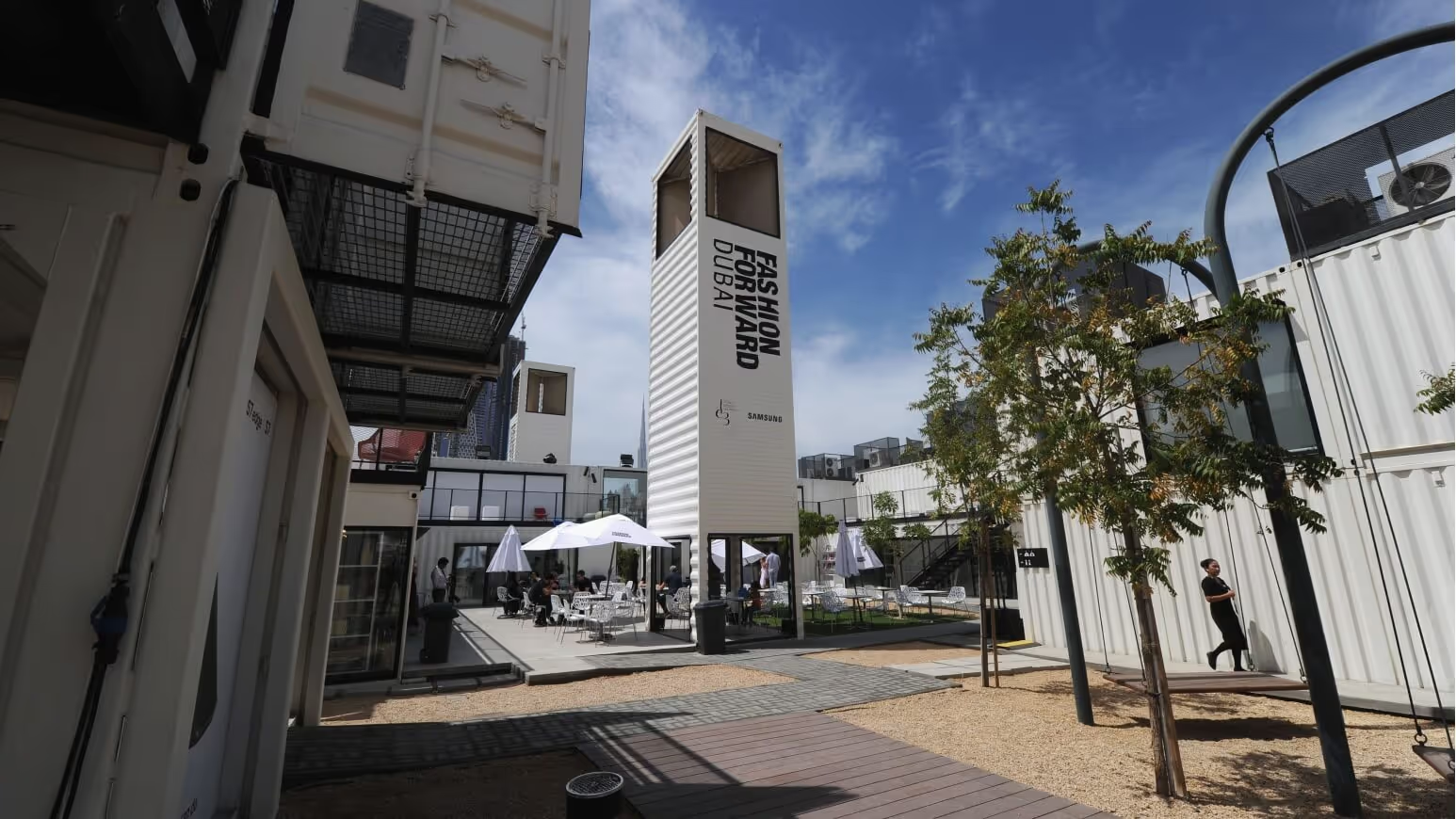
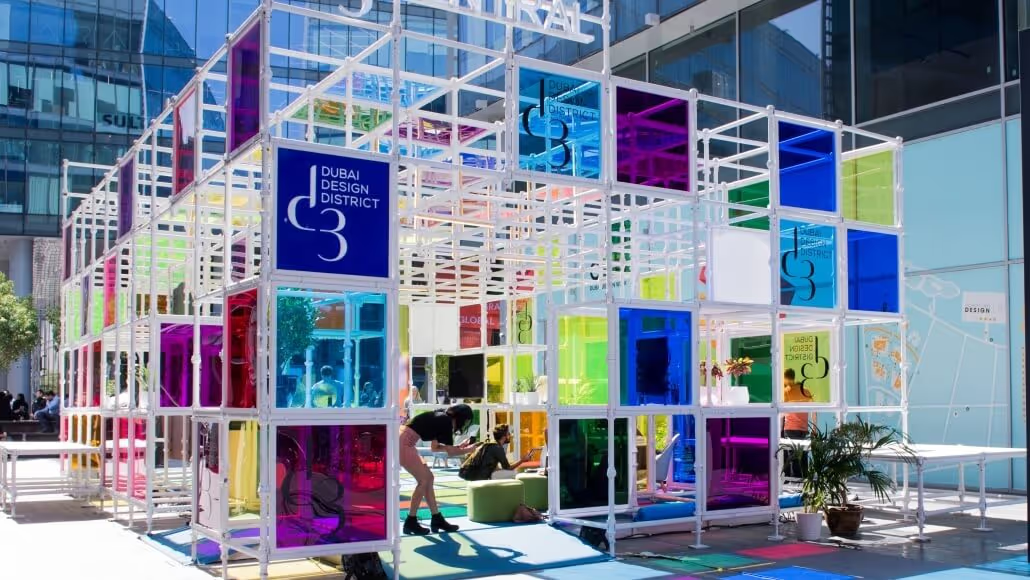
Dubai Fashion Week, co-founded by Dubai Design District (d3) and the Arab Fashion Council, now positions itself as the first fashion week of the global calendar season, running ahead of New York, London, Milan and Paris. Its Spring/Summer 2026 edition, held over six days in September 2025 at d3, featured more than 30 regional and international brands; its Autumn/Winter 2026/27 edition, in February 2026, welcomed Alberta Ferretti as guest designer. Previous editions have closed with shows from Les Benjamins and Indian couturier Manish Malhotra, a sign of how the platform bridges South Asian, European and regional design rather than only showcasing its own.
Riyadh is building a homegrown ecosystem from the ground up; Dubai works as a connective hub between East and West. Neither model competes with the other so much as complements it.
Fashion Trust Arabia (FTA), the Doha-based non-profit launched in 2018 under the honorary patronage of Sheikha Moza bint Nasser, does work neither fashion week is designed to do. Its annual prize distributes financial grants of between $100,000 and $200,000 across categories including ready-to-wear, evening wear, accessories, jewellery and fashion tech, alongside a dedicated Franca Sozzani Debut Talent Award, run in partnership with Kering since 2025, worth up to $50,000 for graduating designers. Winners also receive a season of retail placement at Harrods and Ounass and a year of mentorship delivered with the British Fashion Council and The Bicester Collection, converting recognition into inventory, distribution and business infrastructure a young label couldn’t build alone. Since its 2018 launch, the prize has supported designers from across Morocco, Saudi Arabia, Bahrain, Lebanon, Palestine and beyond, most recently naming Moroccan label Late for Work (Youssef Drissi) as its 2025 Ready-to-Wear winner, Talel founder Leila Roukni as Accessories winner, and London-based Saudi designer Ziyad Albuainain as Evening Wear winner for an approach to conscious luxury built on upcycled, deadstock and responsibly sourced fabrics. What FTA demonstrates isn’t any single grant but a shift: the region identifying and backing its own talent rather than waiting for it to be discovered from outside.
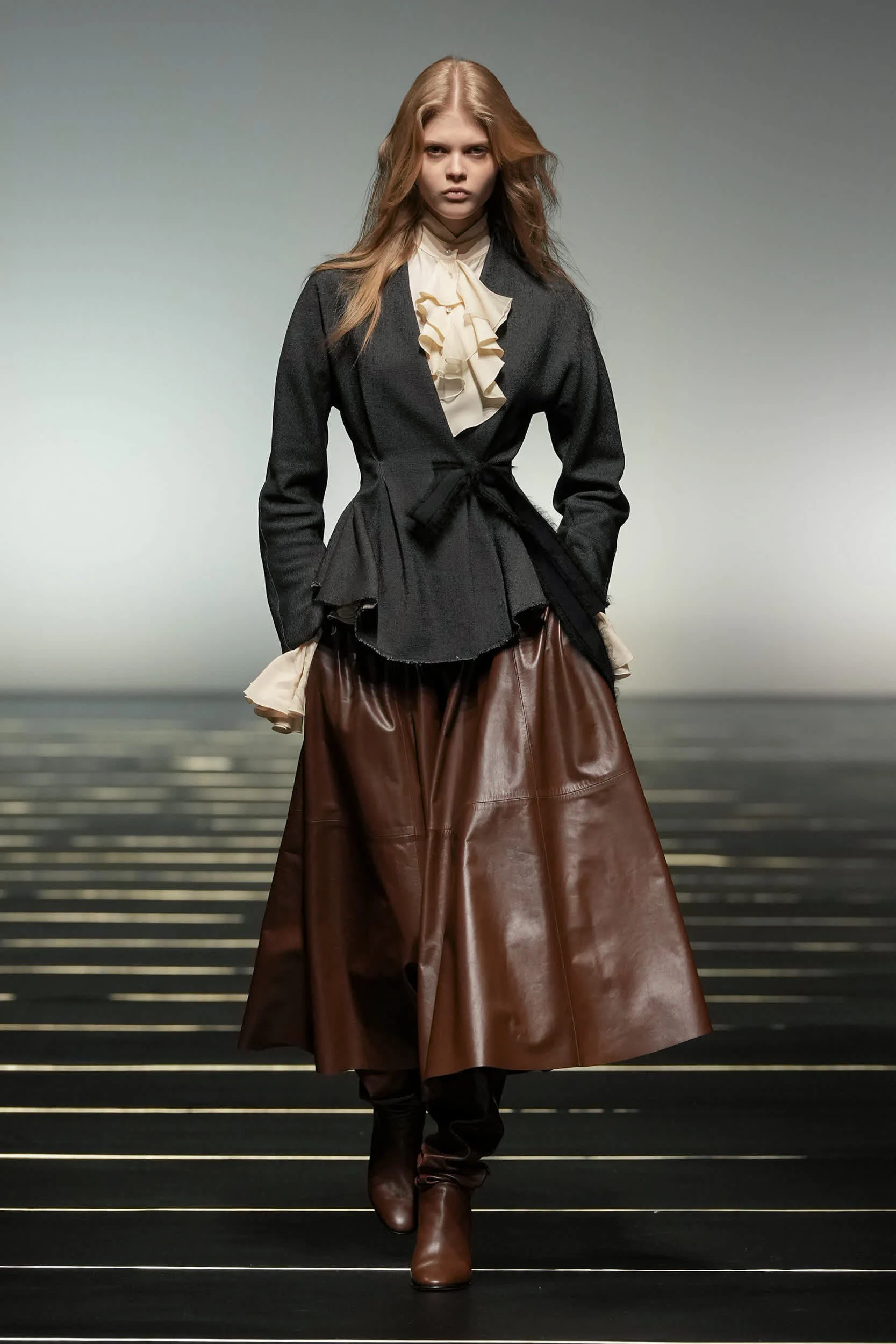
Saudi Arabia is where this shows most clearly. Ashi Studio’s presence on the Paris Haute Couture calendar (Ashi has also been appointed a mentor to the Fashion Commission itself, one designer now shaping the institution shaping the next one), Arwa Al Banawi’s crossover into global streetwear collaborations, Hindamme and Honayda’s runway presence at home, Ziyad Albuainain’s evening-wear prize from FTA: each is, on its own, a designer succeeding on merit. Set against Riyadh Fashion Week and the Fashion Commission behind it, they add up to something else: talent, events, funding and international access developing more or less simultaneously, rather than the slower sequence, designers first, institutions decades later, that built fashion capitals elsewhere. Whether that pace holds is a separate question. Infrastructure is easier to fund than to season.
Beyond the Market
For the global fashion industry, the Middle East has become more than a market for international luxury. It is a source of creativity, craft and cultural authority in its own right, backed now by billion-dollar sector projections, LVMH Prize shortlists and a fast-maturing network of fashion weeks and funding bodies. Whether that infrastructure can mature as quickly as the talent and the visibility is the real question: manufacturing, education, investment and retail relationships all need to catch up, or international attention risks becoming another cycle of interest rather than the foundation of a lasting industry.
The next chapter of Middle Eastern fashion, then, is not about earning a place in the global conversation. It is already writing it.
Monaco’s Place in the New Equation
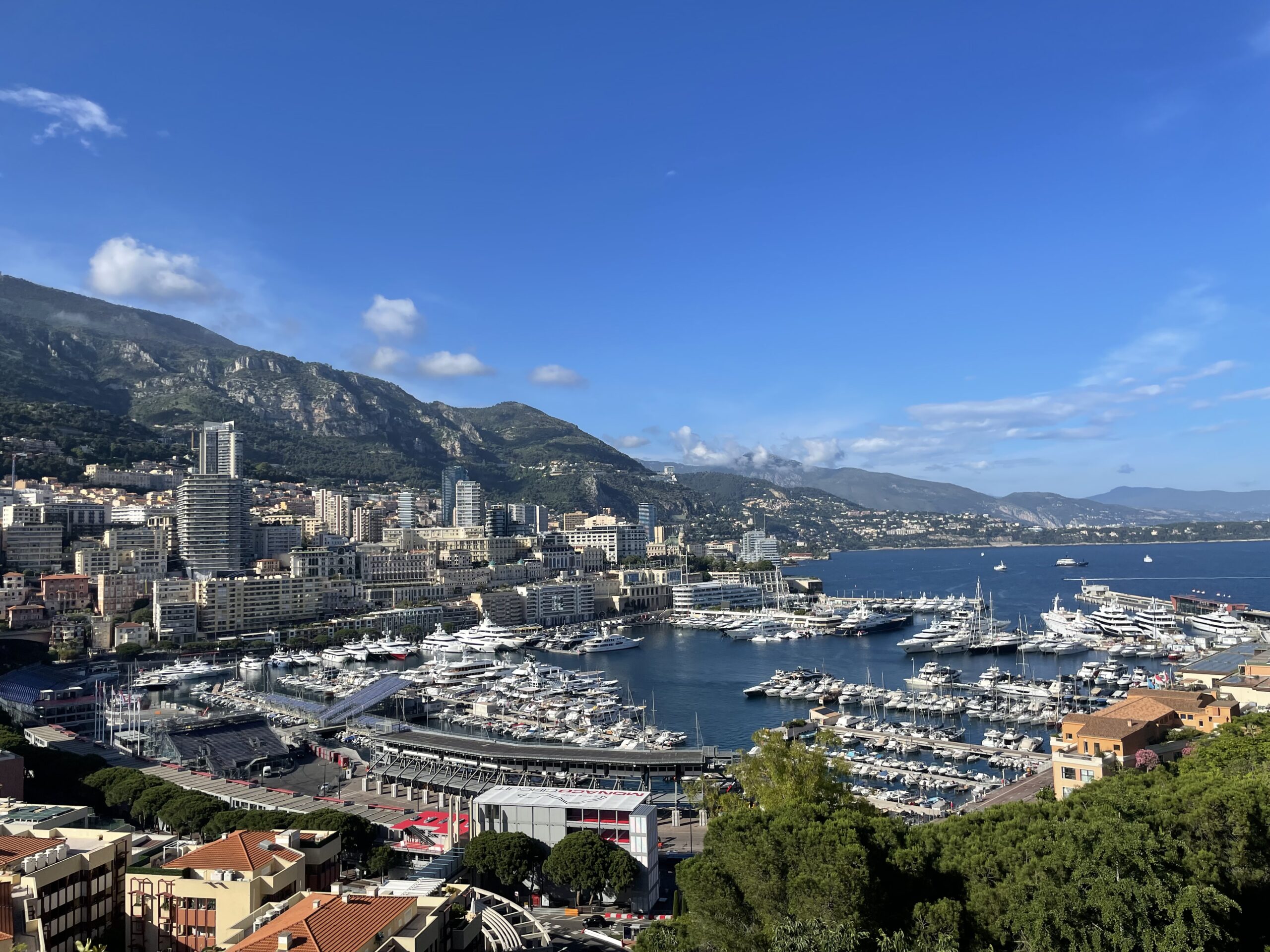
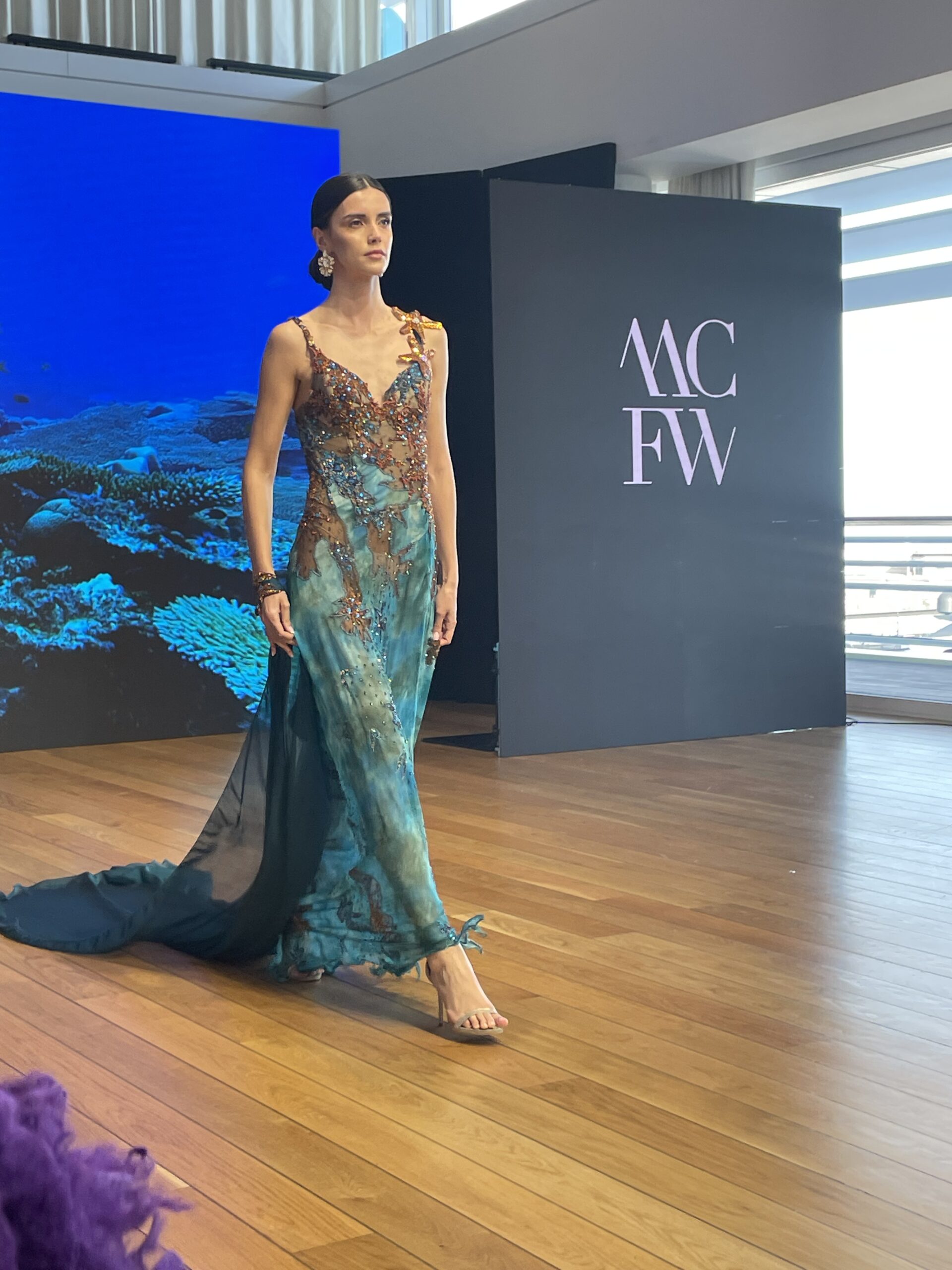
The story has a local hook, too. On April 16, 2026, the closing days of Monte-Carlo Fashion Week included a session organised with the Monaco Chamber of Commerce called, fittingly, “Fashion’s Next Chapter,” featuring Alessandro Binello, founder and group CEO of Quadrivio Group, the private equity firm behind Twinset, GCDS and Dondup, in conversation about investment and fashion. Twelve days later, the Monaco Economic Board hosted a separate “Business Destination” conference dedicated to the UAE, with Fahad Saeed Al Raqbani, the UAE’s Ambassador to France and Monaco, discussing the strengthening of bilateral ties between the Principality and the Emirates.
Neither event was about Middle Eastern fashion specifically. Together, though, they suggest Monaco’s own business and cultural institutions are already tuned to the same convergence of capital, creativity and international access, driving the ecosystem described above. The infrastructure question posed by Riyadh and Doha may end up being answered, in part, from rooms like these.