
Some careers follow a carefully planned path. Others take unexpected turns that lead to entirely new worlds. Veronika Mudra Lewis belongs to the rare group of women who have successfully transformed not only their profession, but the direction of their lives while remaining true to their values. From leading internationally recognised humanitarian initiatives to building businesses within the contemporary art world, her journey reflects determination, vision, and an ability to recognise opportunity where others see uncertainty. Today, as CEO and partner of RETNA Art Company, she combines creativity with entrepreneurship while continuing to develop new ventures across several industries. Her story demonstrates that purpose and business can grow together, creating projects that inspire people while leaving a meaningful impact. In this exclusive interview with L’Officiel Monaco, Veronika Mudra Lewis shares the experiences, ideas, and ambitions that continue to shape her remarkable journey.
By L’Officiel Monaco
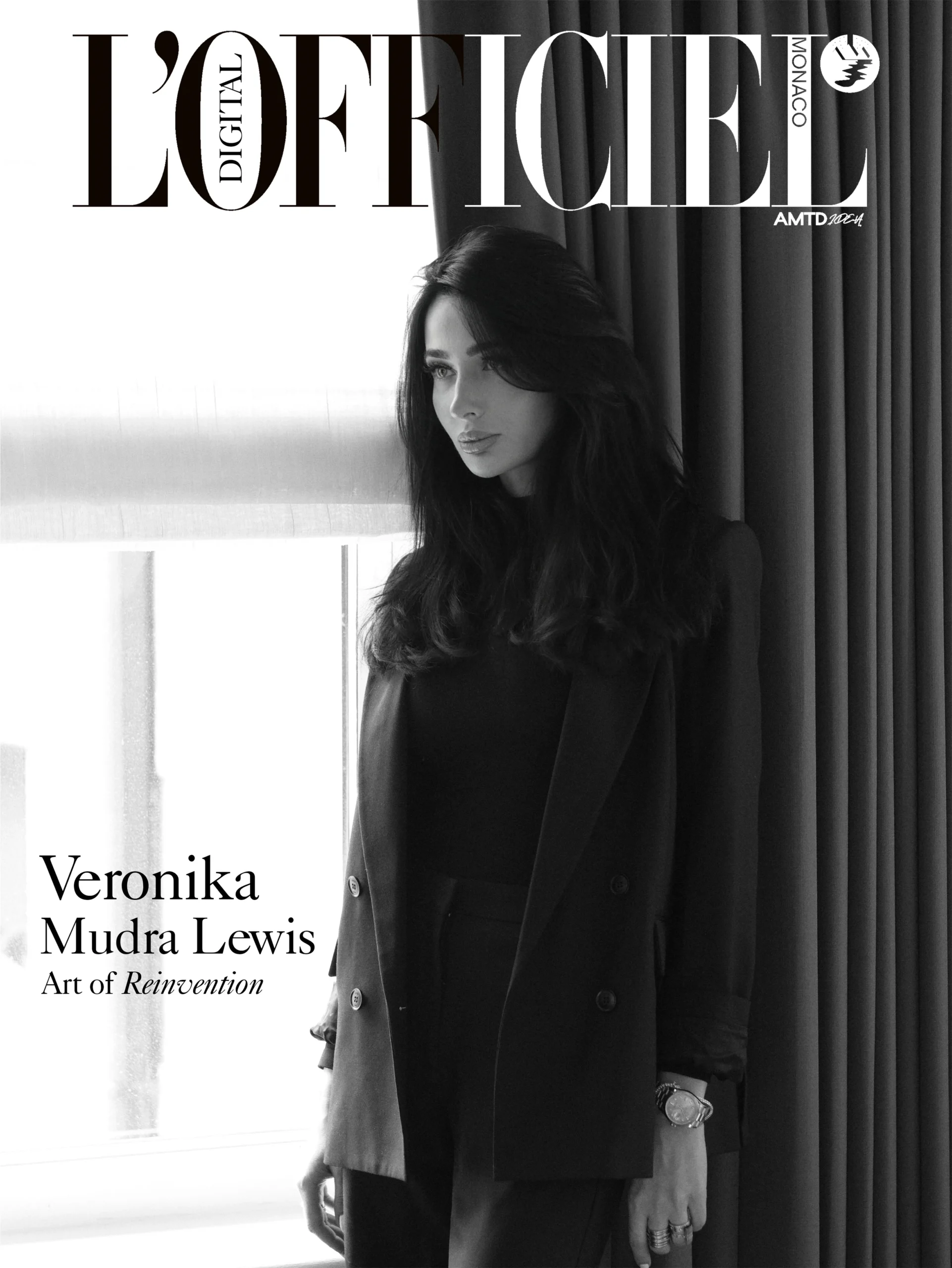
1. Your professional journey has taken you from humanitarian leadership to the international contemporary art world. Looking back, what inspired you to embrace such a significant transformation, and what has this transition taught you about yourself?
The decision came from a very personal place. While my husband was focusing on his recovery, I realized that his art company also needed its own rehabilitation. Stepping in to lead the business was never part of my long-term plan—it was a selfless decision driven by love, responsibility, and a shared belief that we could build something meaningful together. That experience taught me that reinvention isn’t about leaving your past behind; it’s about applying everything you’ve learned in a new environment. Whether in humanitarian work or business, the goal has always been the same for me: to help people and create something that lasts.
2. During your years leading White Ribbon USA and White Ribbon Ukraine, your work focused on creating positive social impact. How does that experience continue to influence the way you approach entrepreneurship and leadership today?
I’ve spent my entire career working with people, and that remains the foundation of everything I do today. Luxury products and fine art are not everyday necessities— they are emotional purchases. People invest because something resonates with them. My humanitarian work taught me to truly listen, understand different perspectives, and recognize people’s needs, aspirations, and emotions. Today, I apply those same principles when working with collectors, clients, and partners. At the end of the day, every successful business is built on understanding people.
3. As CEO and partner of RETNA Art Company, you entered an entirely new industry in a remarkably short period of time. What were the greatest challenges during your first year, and which achievements are you most proud of?
Although becoming CEO was a new role, the art world itself wasn’t unfamiliar. Marquis and I had already been together for five years, and art has always been part of my life—my father was also a painter. The greatest challenge was rebuilding the business of one of the world’s most recognized contemporary artists while continuing to lead my existing organizations and develop new entrepreneurial ventures. In just ten months, we were able to restructure the company, strengthen the brand, rebuild relationships, stabilize operations, and significantly improve sales. Seeing the company become healthy, organized, and future-focused again is something I’m incredibly proud of.
4. Working alongside your husband, internationally acclaimed artist RETNA (Marquis Lewis), combines both business and personal life. How do you maintain a healthy balance while supporting each other’s creativity and professional ambitions?
For us, creativity and business are not separate parts of life—they are our lifestyle. We’re both highly creative, but we’re also very entrepreneurial. We inspire each other, challenge each other, and often understand one another without needing many words. Of course, balance requires communication and mutual respect, but because we genuinely enjoy building things together, work rarely feels like work. We celebrate each other’s strengths and trust each other’s roles.
5. You have often spoken about creating structure around creativity. Why do you believe strong business foundations are so important for artists and creative entrepreneurs?
Artists deserve the freedom to create without constantly worrying about negotiations, contracts, logistics, or business strategy. It’s incredibly difficult to produce meaningful work while simultaneously managing every commercial aspect of a career. I was happy to become that bridge between the creative world and the business world. My role is to protect the artist’s creative freedom while building a sustainable business around it. Great art deserves great business support.
6. Your portfolio now extends beyond the art world into luxury products, technology, food, and intellectual property. What attracts you to a new business idea, and how do you decide which projects deserve your time and energy?
For me, every new venture begins with one simple question: will it make people’s lives happier? Whether it’s experiencing a beautiful artwork, enjoying exceptional food, wearing meaningful jewelry, or developing technology that empowers creators, I want to build products that bring genuine joy. I also believe every successful business should solve a real problem or fulfill a real desire. If a project combines purpose with the ability to make people feel good, it immediately captures my attention.
7. Every entrepreneur faces moments of uncertainty. Was there a particular decision or turning point that completely changed your perspective on business and personal growth?
The biggest turning point was learning not to live according to other people’s opinions. Once I truly began trusting my own intuition, everything changed. If I deeply believe in an idea or in a person, I become incredibly determined and unstoppable. Entrepreneurship requires courage because not everyone will understand your vision in the beginning. I’ve learned to listen carefully—but ultimately follow my own inner voice and become bulletproof.
8. Throughout your career, you have built organisations, brands, and businesses from the ground up. What advice would you give to women who dream of starting their own company but hesitate to take the first step?
My advice is simple: do it. Don’t remain a dreamer—become a builder. Dream big, but focus on small, measurable actions every single day. Businesses are not built in one giant leap; they’re built through consistency. Every phone call, every meeting, every idea, every improvement moves you closer to your goal. Progress creates confidence. Action creates momentum.
9. As someone who values both creativity and purpose, how do you define success today? Has your definition changed compared to the beginning of your career?
Absolutely. Earlier in my career, success often looked like achievements, recognition, and milestones. Today, I define success much more personally. Success is waking up excited about what you’re building, feeling fulfilled by your work, and enjoying a high quality of life with the people you love. If you’re genuinely happy, growing, and creating something meaningful every day, then you’ve already achieved success.
10. Looking ahead, what exciting projects, collaborations, or personal ambitions can people expect from Veronika Mudra Lewis over the next few years, and what legacy would you ultimately like to leave behind?
I’m excited about building businesses that reach far beyond the traditional luxury market. While I appreciate exclusivity, I’m equally passionate about creating products and experiences that many people—not just a select few—can enjoy. I want to continue developing ideas that bring beauty, happiness, and inspiration into everyday life. If my legacy is that I helped people smile a little more, dream a little bigger, and believe that reinvention is always possible, I will consider that my greatest achievement.
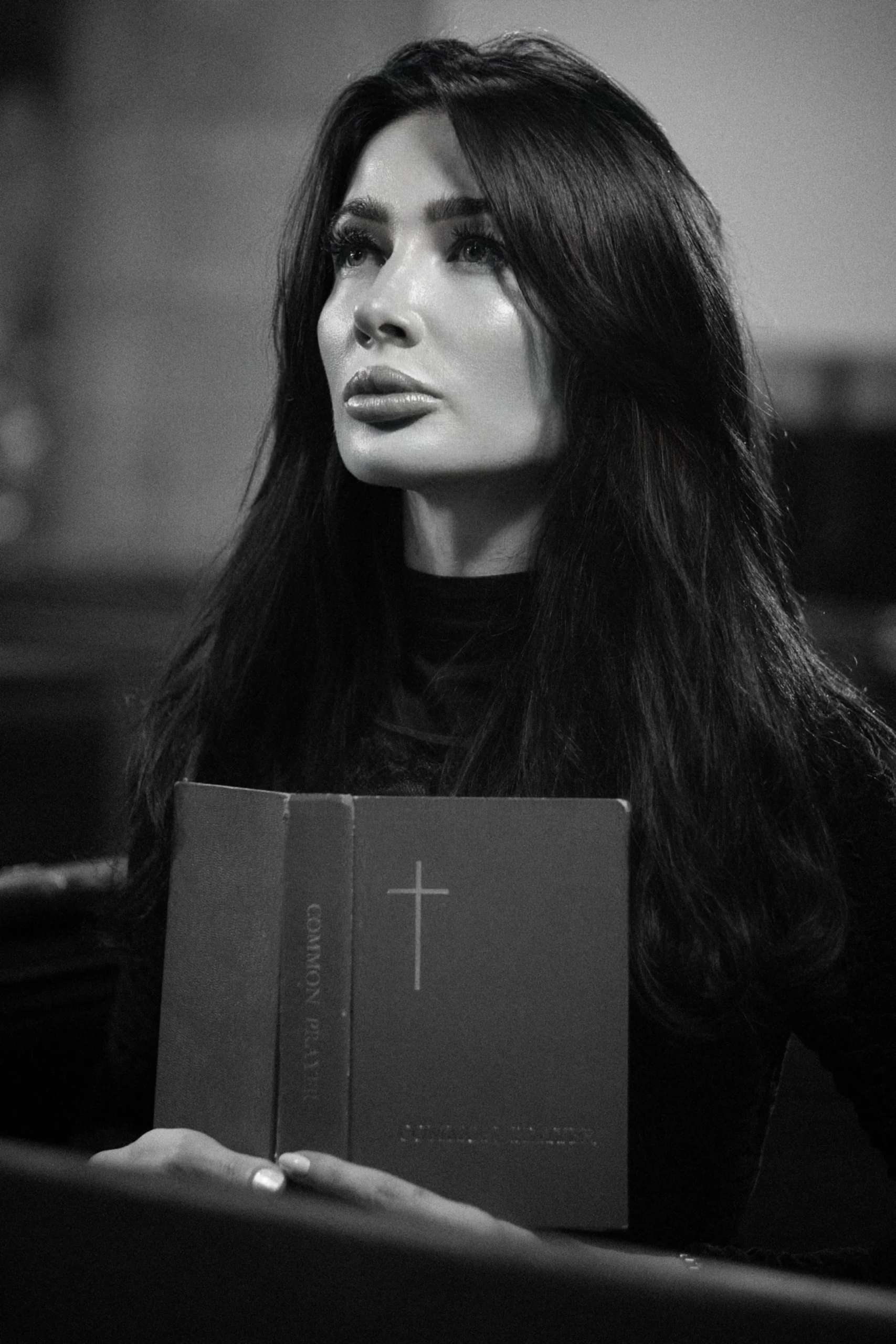
Credits:
● Veronika Mudra Lewis – @veronikamudralewis
● Art: Marquis Lewis (aka RETNA) – @realretna / @retna_art
● Photographer: Hadassi – @hadassi_
● Clothing: Maje – @majeparis
● Location: The Peninsula New York
● PR: @say_media