
Sugar consumption stimulates the same regions of the brain as cocaine use. But can people actually become addicted to sugar — and is sugar making us ill?
by Lisa Ditzlmüller
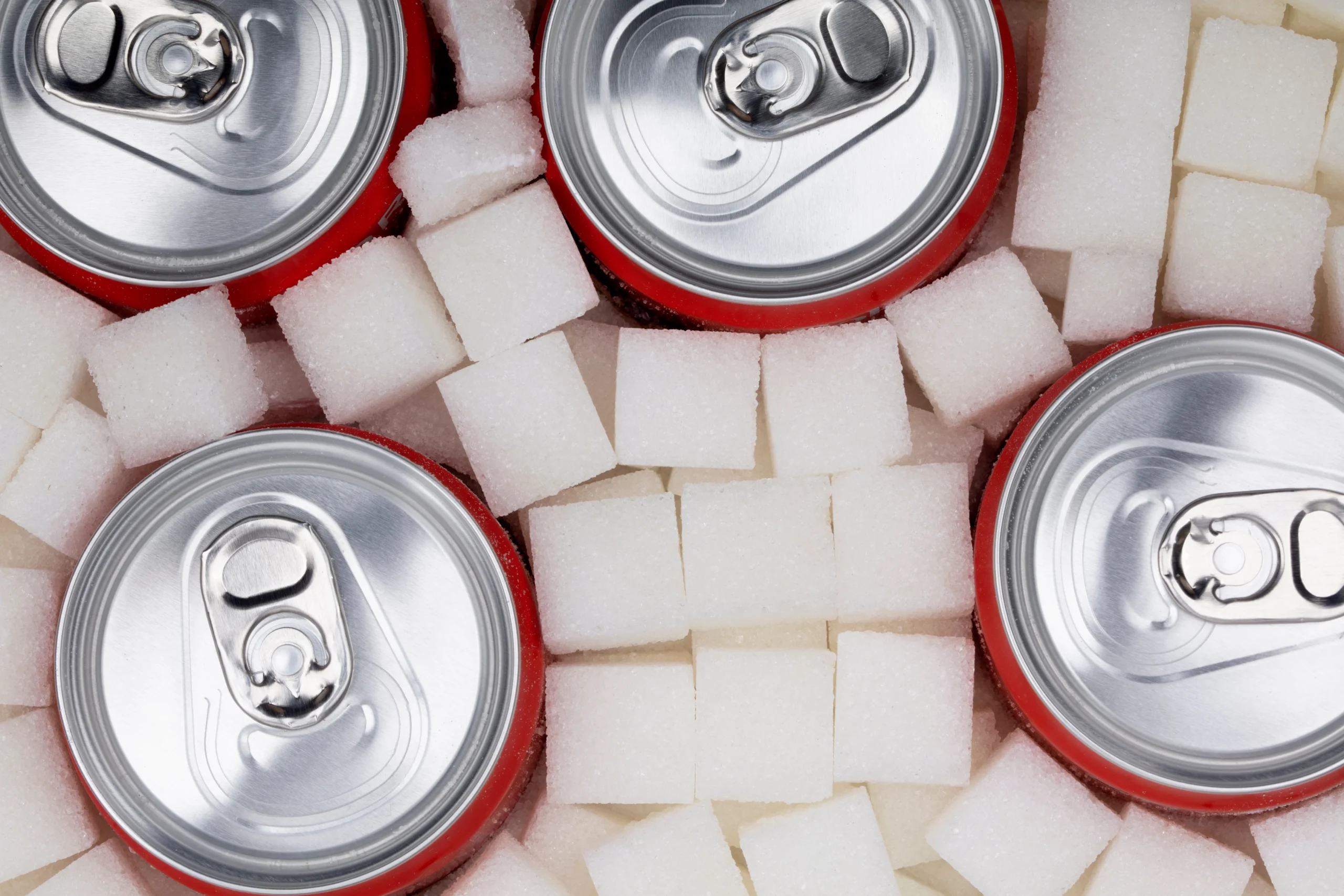
Cake, orange juice, tomato ketchup — what do these foods have in common? They all contain sugar, and often in surprisingly high amounts. Common table sugar (sucrose) is a carbohydrate composed of fructose and glucose. The World Health Organization (WHO) recommends that adults consume no more than 50 grams of sugar per day — the equivalent of around 17 sugar cubes.
In France, the average daily sugar intake is estimated at around 95 grams per person — equivalent to roughly 35 kilograms per year. In an effort to curb consumption, the country introduced a tax on sugar-sweetened beverages more than a decade ago. The system is designed to penalise drinks with higher sugar content, encouraging manufacturers to reformulate their products and consumers to opt for healthier alternatives. Yet despite these measures, concerns surrounding obesity, diabetes and the wider health implications of excessive sugar consumption continue to grow.
Yet living without sugar is hardly possible. Glucose is essential for the human brain to function properly. However, this does not necessarily mean that we need to consume table sugar. The body is capable of breaking down complex carbohydrates (polysaccharides) into glucose. These carbohydrates are found in starchy foods such as potatoes, rice and pasta.
Can Sugar Make You Ill?
Excessive sugar consumption can have a gradual yet far-reaching impact on overall health. In the short term, consuming too much sugar may trigger symptoms such as headaches, nausea and digestive discomfort. It can also affect the skin, contributing to blemishes and accelerating visible signs of ageing.
Over time, however, the consequences can become far more serious. Persistently elevated blood sugar levels place strain on the body’s blood vessels and are a major risk factor for the development of type 2 diabetes. High sugar intake is also associated with weight gain and an increase in body fat, particularly around the abdomen.
In addition, excessive sugar consumption can raise triglyceride levels in the bloodstream, increasing the risk of cardiovascular diseases such as heart attack and stroke. The liver is particularly vulnerable: regularly consuming large amounts of sugar can lead to the accumulation of fat in the liver, a condition known as non-alcoholic fatty liver disease. If left unchecked, this may progress to more severe liver damage and, in rare cases, increase the risk of liver cancer.
While an occasional sweet treat is unlikely to cause harm, experts agree that consistently high sugar intake can have significant long-term consequences for overall health.
If Only It Didn’t Taste So Good…
From an early age, we learn to associate sweetness with comfort and reward: the naturally sweet taste of breast milk, a slice of chocolate cake at every birthday party, or an ice cream as a treat for good grades. There are very few adults who do not enjoy something sweet from time to time — and there is nothing inherently wrong with that. The real issue lies in excess.
The next time you are shopping, take a closer look at the products you place in your basket and read the nutritional information on the packaging. You may be surprised by how much sugar is hidden in foods you would never expect. So-called “hidden sugars” are found in a wide range of processed products, including many savoury foods. On nutrition labels, sugar is often listed under carbohydrates as “of which sugars”, making it easier to identify how much has been added to a product.

The sugar content of fruit should not be overlooked either. Unfortunately, naturally occurring fruit sugars also contribute to our overall sugar intake. The greater concern, however, lies with sugary drinks — a source of sugar that is often underestimated.
A single 330ml can of Coca-Cola contains the equivalent of around 11.5 sugar cubes. Yet soft drinks are far from the only beverages worth watching.
Fruit juices, too, can be surprisingly high in sugar. Producing one litre of orange juice requires roughly ten oranges. While drinking a glass of juice takes only moments, most people would never consume that many oranges in the same amount of time. As a result, the body receives a far greater dose of sugar in one sitting than it typically would through eating whole fruit alone.
Sugar as a Drug?
Sugar activates the brain’s reward system. When we eat a piece of chocolate, the body releases dopamine — often referred to as the “feel-good” hormone. The same neurotransmitter is involved in pleasurable experiences such as sex and, notably, in the brain’s response to substances like cocaine. This surge of dopamine encourages us to seek out the experience again, which may explain why many people instinctively reach for something sweet during periods of stress, frustration or emotional discomfort. Cutting back on sugar or carbohydrate-rich foods can also lead to irritability, particularly in the early stages.
That said, there is currently no conclusive scientific evidence proving that sugar is addictive in the same way as drugs or alcohol. However, animal studies have produced intriguing findings. In experiments involving rats, researchers observed a strong preference for sugar water, with the animals displaying withdrawal-like symptoms when it was removed. The studies also suggested that, over time, the rats required increasingly larger amounts of sugar to trigger the same dopamine response.
What is clear, however, is that a diet lower in added sugars can help reduce the risk of a range of serious health conditions. This does not mean eliminating sugar entirely. Rather, it is about making more conscious choices: paying attention to hidden sugars in processed foods and limiting sugar-sweetened beverages wherever possible. Small adjustments can have a meaningful impact on long-term health and wellbeing.
Photos: Shutterstock