
As Chanel launches its Arts & Culture magazine, we look at how three brands paved the way and created the art and culture magazine playbook.
Chanel, the French luxury fashion house, has just announced the launch of its first arts magazine, Arts & Culture. Led by Yana Peel, the brand’s president of arts, culture and heritage, the magazine skillfully weaves subtle brand promotion with coverage of contemporary artists, continuing Coco Chanel’s legacy of surrounding herself with “audacious creatives.” This new annual title is the latest addition to “an indeed audacious space” of luxury brand culture publications.
Forward-thinking luxury brands have embraced this genre because it allows them to showcase a rich spectrum of influences behind their collections, including the artistic and philosophical ideas that shape their designs. A printed culture publication offers more gravitas and permanence than social media, with value remaining long after the season ends.
Today, luxury status is confirmed not only by design and craftsmanship but also by the level of research and conceptual depth behind the collections. However, balancing brand demands with creating something that is taken seriously as an art publication presents a challenge. We examine three notable publications and the bold thinkers behind them, who successfully navigated this terrain and led the way “avant Chanel,” paraphrasing the Gabrielle Chanel biopic Coco Avant Chanel (Coco Before Chanel).
Today, luxury status is confirmed not only by the level of design and craftsmanship but also by the level of research and conceptual depth behind the collections
Tatiana Zherebkina Leverages Culture as a Powerful Launch Strategy
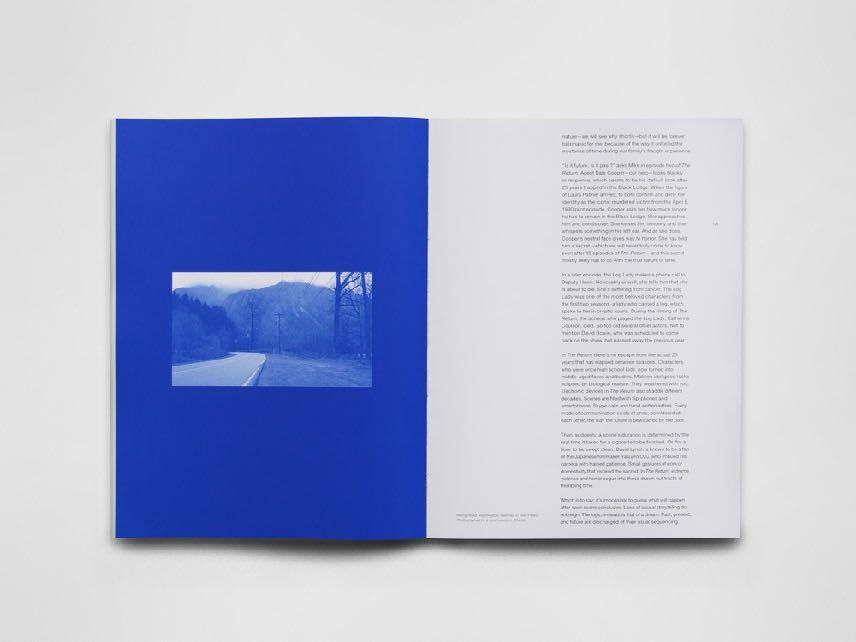
Launched in 2021, three years before the Chanel magazine, SUMMA is an arts and culture publication created for Tabayer, a luxury jewelry brand. Tatiana Zherebkina, a London-based creative and the title’s editorial director, conceived the publication as Tabayer’s founding brand director to help launch the brand. Built around an amulet concept, Tabayer was entering a highly competitive talisman-inspired jewelry market. For a newcomer, a critically acclaimed publication proved an effective strategy, elevating the brand into the ranks of established houses. SUMMA cleverly allowed the brand to establish itself as a prominent voice from the start by initiating a “conversation” on spiritual protection and commissioning a strong pool of novelists, artists and curators, including Chloe Aridjis, Tabita Rezaire and Shumon Basar, among others.
SUMMA, which touches on topics from medieval religious painting to the TV series Twin Peaks, features no Tabayer products. Available on the brand’s website, the publication includes only one brand reference—a double-page spread offering an intriguing glimpse into Tabayer through a beautiful abstract image by photographer Lina Scheynius and a paragraph about the brand. Throughout, the connections remain implicit, subliminally converting readers into brand advocates.
Sabato De Sarno Champions Collaborative Storytelling
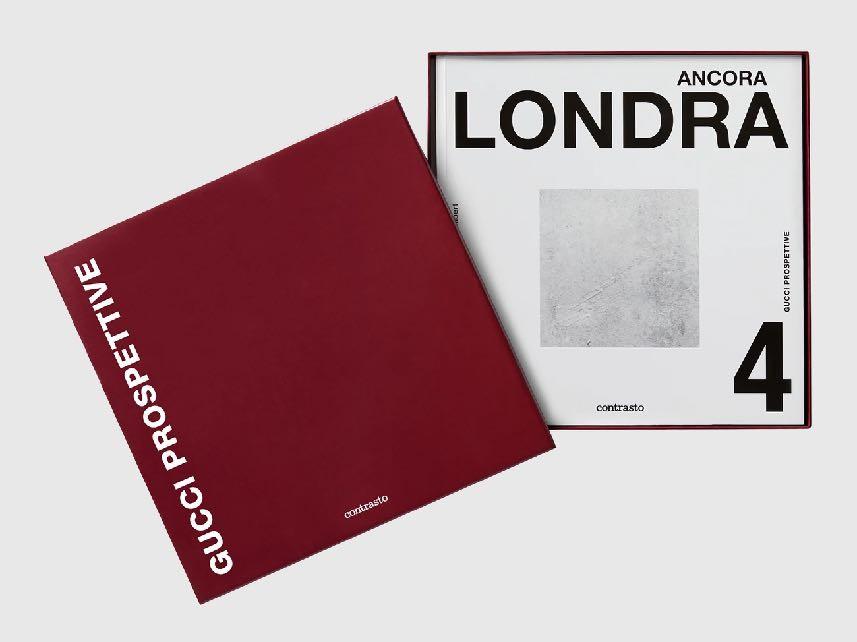
Similarly, in 2023, when Sabato De Sarno became Gucci’s new creative director, he launched a series of publications called Gucci Prospettive: Ancora. Available on the brand’s website, the publication served as a kind of manifesto establishing the new aesthetic and ushering in the brand’s new chapter. Each magazine in the series explores Gucci’s world through a different lens, from Milanese artistic legacy to London as a source of inspiration, steered by an impressive lineup of curators and art historians, including Stefano Collicelli Cagol, Paola Antonelli and Erica Petrillo, Eva Fabbris and Giovanna Manzotti, Charlene Prempeh and Lewis Dalton Gilbert. The magazines reveal symbols and messages connected to Gucci through diverse voices ranging from established artists to recent art graduates. The brand connections are elegant and subtle. London’s Savoy hotel, where Guccio Gucci worked before founding the Gucci brand, is explored through associative references from emerging photographer Jaime Welsh to established artist Dame Tracy Emin.
Contemporary artist Alex Katz’s “Daisies” echo the recurring daisies motif in the collection’s embroidery. These magazines don’t feature any brand products either, focusing entirely on cultural influences. This creates compelling storytelling because there’s something to decode slowly and contemplate rather than consume quickly and forget.
Thomas Persson Delivers Two Decades of Cultural Influence
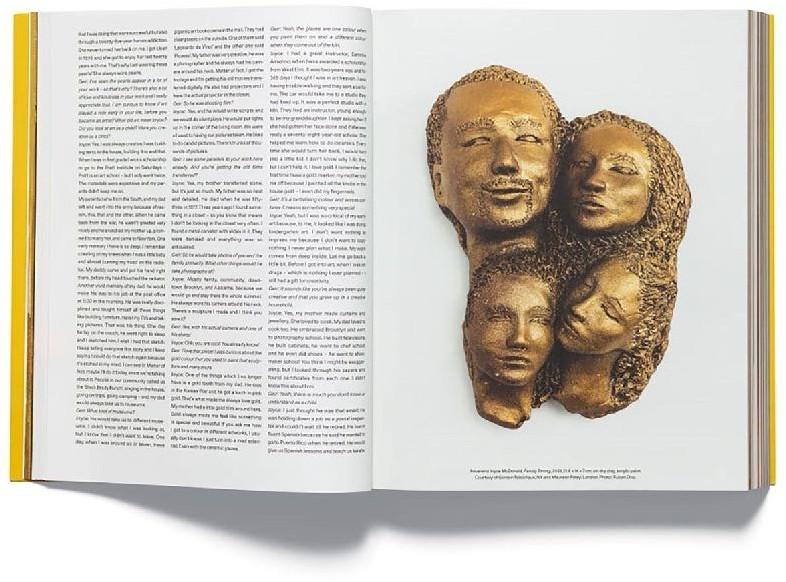
An interesting parallel emerges with another magazine, Acne Paper, founded by Acne Studios, a Swedish fashion brand. As Chanel released its inaugural issue, Acne Paper published its twentieth anniversary edition, celebrating two decades from 2005 to 2025. Edited by creative director Thomas Persson, the magazine has developed a cult following, culminating in the opening of the physical Acne Paper Gallery in Paris the same week Chanel launched its magazine. In the anniversary edition, Persson discusses another cult luxury brand publication—Six.
Published between 1981 and 1991 by avant-garde fashion label Comme des Garçons, Six was the original “audacious” arts and culture magazine. It offered a purely visual reflection of the Comme des Garçons world and featured no articles, literary pieces, or poems. Beyond showcasing work by innovative creatives, both Acne Paper and Six succeeded in creating dialogue with other important voices in fashion by featuring other ready-to-wear designers’ work on their pages. Acne Studio’s products appear throughout Acne Paper, but with a light touch. The magazine, which is available in select book and magazine stores, masterfully balances subtle brand promotion with cultural relevance.
SUMMA journal “gave all this context to Tabayer. This is what made me fall in love with the brand
Once, such publishing projects were often avoided by brands that prioritised straightforward PR and marketing. Recently, more and more luxury houses are striving to build cultural capital and Chanel going into this space is a sign that tides have turned for cultural storytelling. But does it work as well as the brands would like it to?
Melissa Levy, a New York-based and internationally lauded stylist and photographer, put it best, speaking of the SUMMA journal: “It gave all this context to Tabayer. This is what made me fall in love with the brand.”