Paris remains firmly established as one of the most captivating metropolises globally—an urban tapestry where heritage, daily life, and cultural depth coexist with natural fluidity. While international visitors continue to be drawn by the city’s legendary monuments, it is the quiet elegance of its local neighborhoods that leaves a lasting impression. In these lesser-traveled streets, the understated beauty of daily Parisian life reveals itself without effort.
The city’s culinary offerings are as varied as they are refined, with French gastronomy retaining a singular position—rich in tradition, yet ever evolving. L’Officiel Monaco delivers a considered and experienced editorial perspective—one shaped by expertise and guided by an uncompromising standard for authenticity.
Among the names that deserve attention in Paris, Le Grand Mazarin emerges as a notable address, not least because it is home to the Boubalé restaurant.
Located on Rue de la Verrerie, Boubalé offers an invitation into a part of Paris where historical character meets modern vibrancy. The surrounding Marais district is marked by its narrow, animated streets and an atmosphere that balances charm with creative energy.
Where Stories Are Served and Every Meal Feels Like Home
Who doesn’t enjoy a lovely lunch or dinner – whether it’s with family, friends, or simply on your own? It’s the moment itself: a break from the day, a conversation, a good glass of wine, a memorable flavor. And the best part? It’s not only for hotel guests – locals and city visitors alike consider the restaurant Boubalé as a true gem.
The Boubalé – it is name from an old Yiddish term of affection, once used by the co-founders’ grandmothers. That personal reference sets the tone for the entire dining experience: familiar, thoughtful, and rooted in cultural memory.
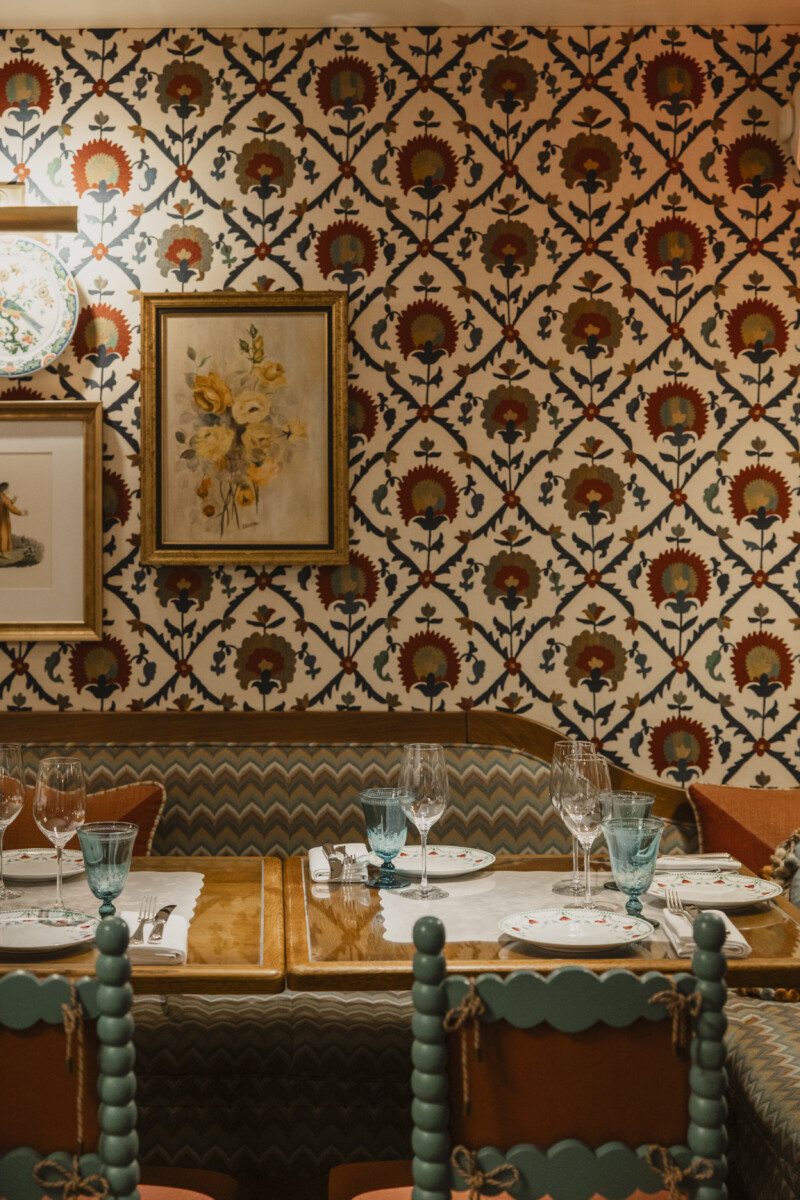
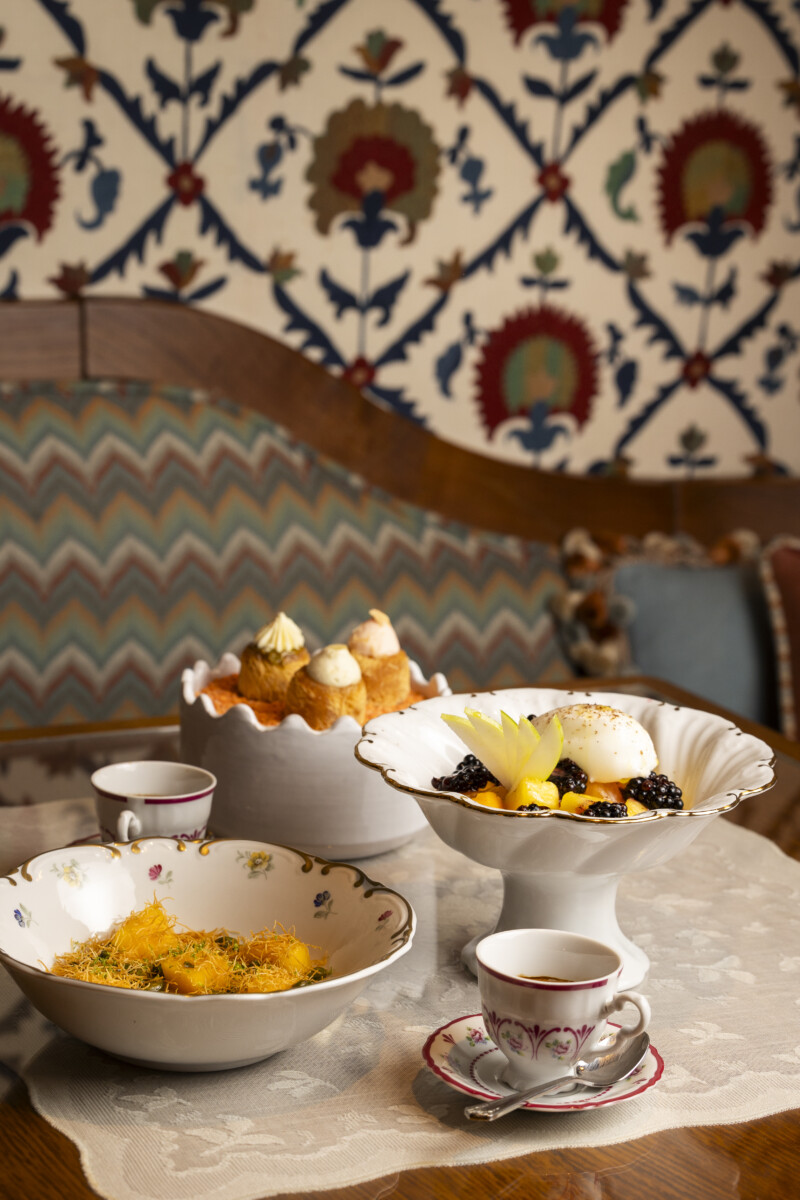
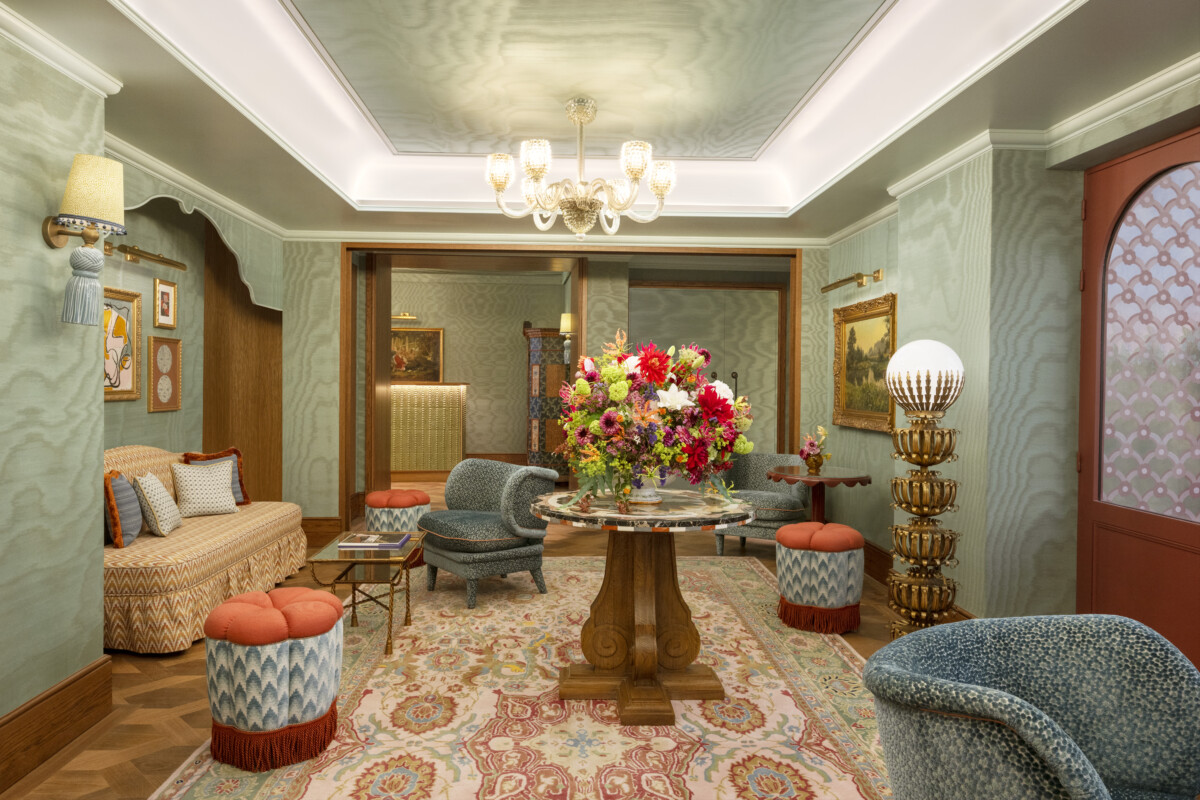
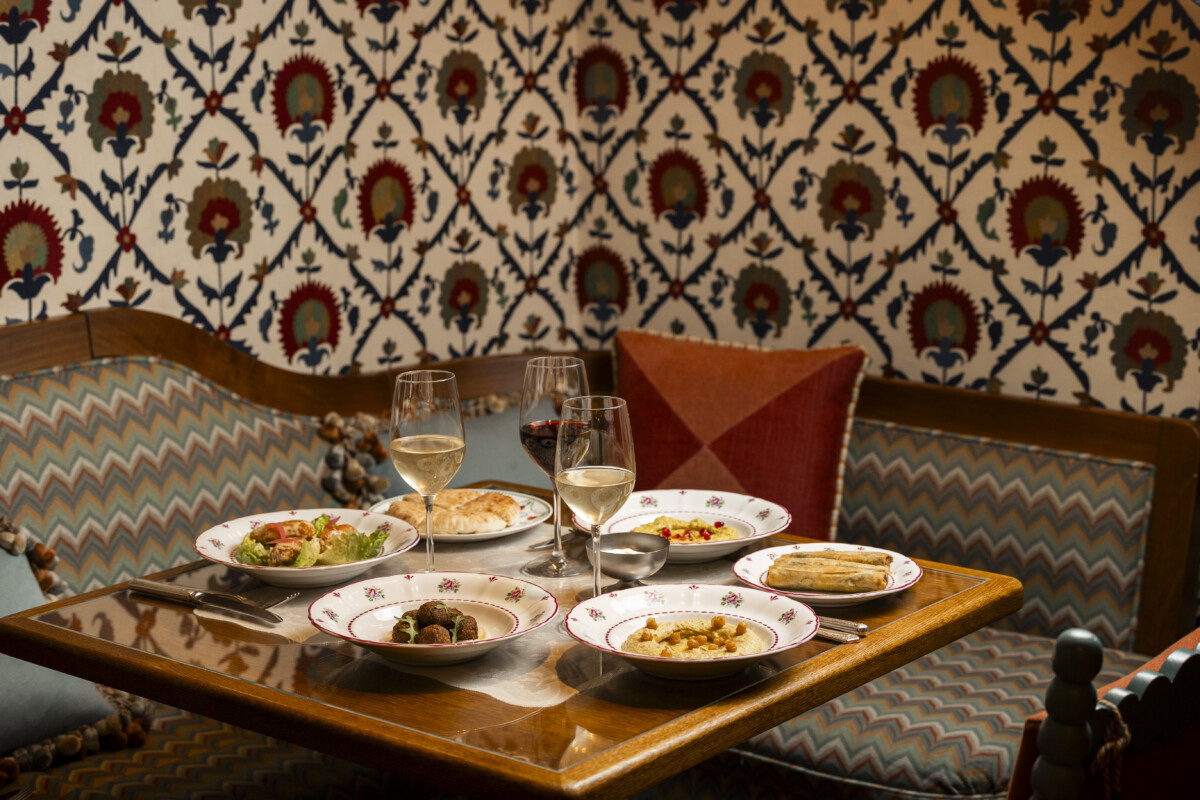
The menu draws on recipes and influences from across the Mediterranean and the Levant, bringing together ingredients and ideas from Turkey, the Bosphorus, and beyond. Spices like cumin, sumac, and paprika are not used for effect—they’re part of a language that speaks across generations. Dishes arrive with colour, depth, and clarity, shaped more by stories than trends. There’s no pressure to overanalyze here. You eat, you share, and you recognise something meaningful in the simplicity of the offering. The space itself avoids formality. It’s comfortable without being casual, elegant without being stiff. Whether seated at lunch with a friend or at dinner with a group, the atmosphere adapts—quiet enough for a conversation, open enough for a longer stay. That same approach extends to the hotel’s bar, located just off the main floor. It doesn’t follow the typical rules of a hotel lounge. There’s a cabaret in the background, if you want it. A quiet drink, if you don’t. The cocktail list is deliberate—focused on balance rather than flair. The lighting is soft, the music stays just low enough, and the furniture invites you to sit longer than expected.