
When New York Fashion Week opens at Gotham Hall this February, a growing share of the audience will not be buyers, editors, or invited influencers, but people who paid for the seat, including stylists, junior staffers, and aspiring insiders. At a moment when the global fashion event market is projected to reach roughly 52.26 billion dollars by 2034, paid-access runway shows are turning Fashion Week into a consumer product that even industry players now purchase to secure proximity, content, and contacts.
By Mae Cornes
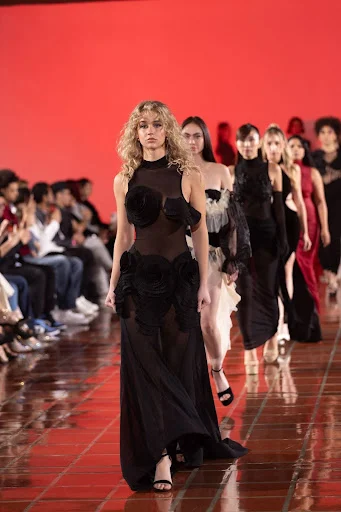
A Ticketed Front Row in Gotham Hall
For the February 2026 season, The Bureau Fashion Week, which produces officially calendared New York Fashion Week shows, is selling access to seven runway shows over two days at Gotham Hall, a landmark venue on Broadway. Tickets start at about 85 dollars for a single general admission show and climb to more than 6,400 dollars for an “Ultra VIP” weekend package that includes front row seats, after-party access, and hotel accommodations, with intermediate options such as front row VIP at $212 dollars and weekend passes starting around $1,659 dollars.
The pricing structure resembles major sports or concert events: tiered seating, bundled experiences, and flexible products such as day passes and group rates for fashion students or corporate outings. Organizers say more than 40 percent of attendees are first-timers, but the audience also includes stylists, junior editors, and emerging designers who are willing to pay for guaranteed entry instead of navigating an opaque invitation system. “We’re seeing more industry people quietly buying tickets because a guaranteed front row and clean content beats waiting on a list that might never clear,” Brady King, producer at The Bureau Fashion Week, said.
Why Insiders Pay: Access, Content, And Control
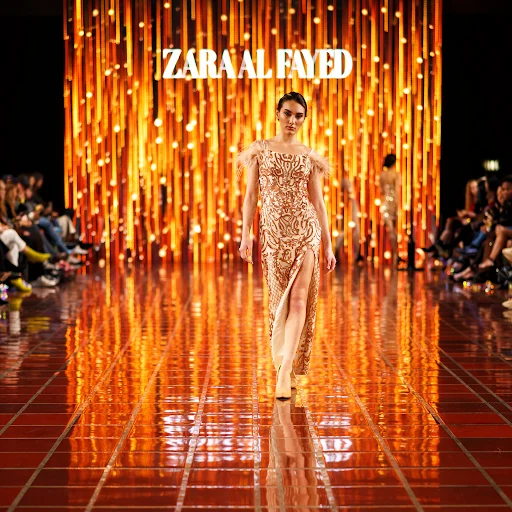
Fashion insiders have long relied on relationships to access shows, but social media has altered the calculus. A recent analysis from Elevate suggests there are more than 120 million engaged Fashion Week fans globally, with heavy over-indexing in markets like New York and a strong crossover between fashion and streaming audiences. For stylists, content creators, and junior staffers, the value of a guaranteed seat now includes the ability to shoot high-quality video, post in real time, and build a public-facing portfolio that can drive future work.
At Gotham Hall, The Bureau explicitly encourages guests to film and photograph, positioning front row VIP and weekend passes as better angles for social content. That permission stands in contrast to more restrictive show policies elsewhere and reflects a broader shift in the fashion event market, which was valued at about 32.98 billion dollars in 2024 and is forecast to grow at an annual rate of 5.25 percent through 2034, partly driven by experiential marketing and content-led activations. “Designers want audiences who are actually posting, not just sitting on their phones checking email,” King said. “If someone buys a ticket and generates a hundred pieces of content that week, that’s real distribution for the brand.”
From Closed Calendar to Consumer Product
Historically, New York Fashion Week operated as a closed ecosystem governed by institutions such as the Council of Fashion Designers of America, with front rows shaped by buyers, editors, and a small circle of celebrities and influencers. In recent years, however, both official organizers and independent producers have experimented with paid-access formats, from public-facing shows in London to ticketed capsules in New York that sit adjacent to the core calendar.
The Bureau positions its Gotham Hall program as part of the “official” NYFW schedule while selling tickets directly to consumers through its site and ticketing platforms. That hybrid model illustrates how the fashion event economy is recalibrating: runway shows remain brand communication tools, but they also function as revenue centers in a market where consumers increasingly favor experiences over traditional retail spending. Industry observers note that this can shift power dynamics, giving production companies and venue partners more direct financial stakes in who occupies the seats and how shows are monetized over time.
The Cost—and Calculus—of Buying In
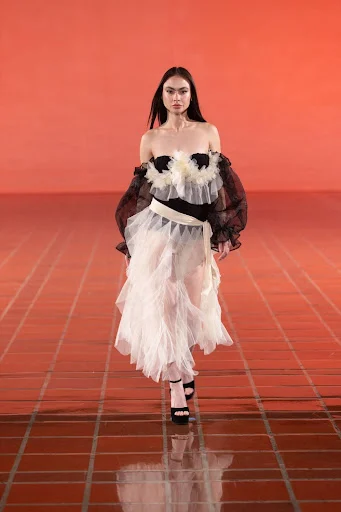
For many attendees, the financial outlay is significant. Industry essays have documented how some influencers and aspirants spend five figures on a single season once flights, hotels, outfits, photographers, and ancillary costs are included, with one creator publicly tallying 66,840 dollars to “do Fashion Week right.” Against that backdrop, a few hundred dollars for a guaranteed seat may be seen by some insiders as one of the more predictable, controllable expenses in an otherwise volatile circuit.
Still, the practice raises questions about access and status. When insiders purchase tickets, it blurs the line between professional accreditation and consumer participation, and it risks reinforcing a system in which visibility is increasingly tied to spending power rather than editorial or commercial relevance. King argues that the shift is overdue. “For decades, so many people who actually work in fashion were stuck outside—assistants, junior stylists, freelancers,” he said. “Ticketed shows don’t replace the traditional calendar, but they give those people a way in without begging a publicist for one seat in the back.”
As February’s shows approach, Gotham Hall’s ticket map offers a snapshot of that new reality: rows of color-coded seats, some reserved for brands and media, others open to anyone with a credit card and a compelling reason to be in the room. For a growing subset of fashion insiders, that trade-off—money for access, content, and control—has become part of the job. Whether the practice remains a niche or evolves into a standard feature of New York Fashion Week will depend on how long those insiders decide the ticket is worth the price.