
In 2026, luxury fashion has never looked more desirable or more expensive. A heady mix of inflation, scarcity, brand positioning, and global spending power has pushed prices to new heights. While the demand remains strong, especially among Gen Z and affluent millennials, today’s buyers are more strategic, often eyeing both the emotional and investment value of a purchase. From Chanel flap bags to Cartier watches and Loro Piana knits, the question is no longer if it’s worth it but how much longer it can last.
By Orianna Zancanaro

THE CHANEL CLASSIC FLAP: A DECADE OF CLIMBING
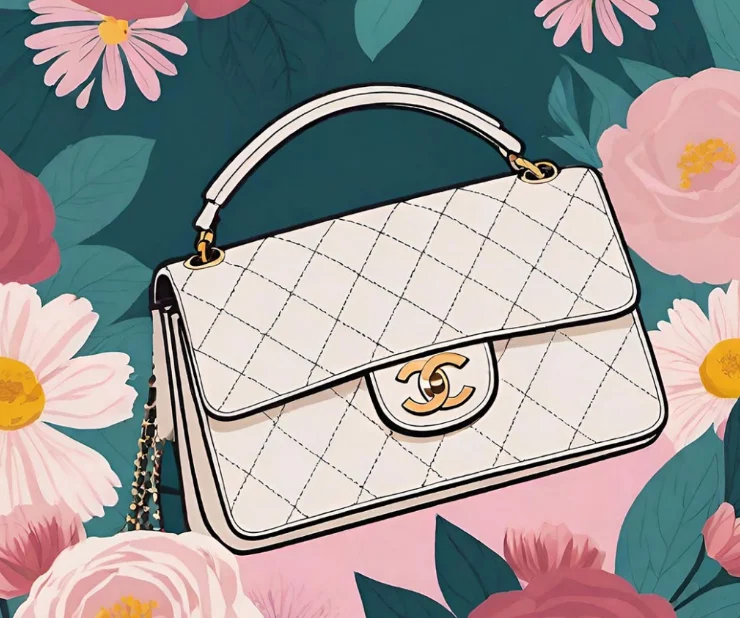
The Chanel Classic Medium Flap Bag is perhaps the most telling symbol of fashion’s inflation curve. In 2010, it retailed for about $2.850. By 2020, it had jumped to approximately $5.200. Fast forward to mid-2025, and the same bag now commands around $11.800 in boutiques, reflecting a nearly 350% increase over 15 years.
Despite the spike, resale platforms show strong returns: a well- preserved Classic Flap can resell for up to 95% of its original value, and in rare colours or limited editions, prices in the secondhand market can climb to $16.000 or more.
THE CARTIER TANK: TIME AS STATUS
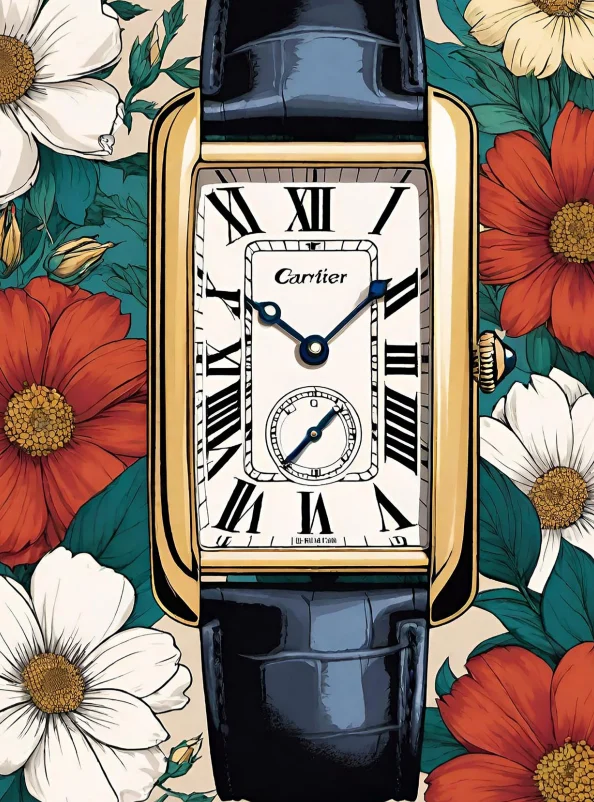
Few pieces embody timeless elegance like the Cartier Tank, a watch that has adorned the wrists of icons from Jackie Kennedy to Timothée Chalamet. In 2015, a Tank Must could be had for around €2.500. In 2025, the same model starts at €4.300, while gold or mechanical variations like the Tank Louis Cartier can reach €14.000–€20.000, depending on finish and complications.
Vintage models, especially those from the 1970s and ‘80s, with rare dials or early manual movements, are enjoying a strong collector boom. Auction sales have exceeded €30.000, with demand surging in Asia and the Gulf. Interestingly there’s also a noticeable return to smaller case sizes, the once- dismissed mini Tanks are now back in favour, especially among younger collectors and fashion-conscious men who favour understated elegance over oversized designs.
HERMÈS SCARVES: QUIET ICONS WITH QUIET POWER
While the Birkin and Kelly dominate headlines, Hermès’ silk carré scarves continue to play the long game. Priced at €460–€520 in 2025, depending on print and collection, these iconic squares have increased modestly compared to leather goods. Certain vintage editions now fetch up to €1.500 at auction, especially when linked to limited artists or rare colourways. Hermès scarves also show low depreciation and are often passed down, more heirloom than impulse.
THE BIRKIN EFFECT: THE ORIGINAL LUXURY ASSET
The Hermès Birkin, once mocked for its waitlist culture, has now become one of the most consistent luxury investments on the planet. In 2025, a basic Togo leather 30 cm Birkin start at €9.800, but exotics such as crocodile, ostrich, or limited- edition Himalaya models regularly command €35.000– €150.000, even more at auction.
The average resale value of a Birkin is around 130–160% of retail, depending on model, size, and condition. Christie’s and Sotheby’s continue to host record-breaking sales, with collectors treating Birkins as liquid assets – luxury commodities that outperform the stock market in some cases.
LORO PIANA CASHMERE: THE LUXE OF ALL LUXURIES
Loro Piana has become the quiet status symbol of the ultra- wealthy. In 2025, a simple women’s baby cashmere crewneck retails for around €2.200, while a longline vicuña coat can reach €18.000–€25.000.
Yet resale value is surprisingly strong in Asia and the Middle East, where pre-owned Loro Piana can fetch 60–80% of original prices, especially in neutral tones and unisex styles.
LUXURY INFLATION: A GLOBAL PHENOMENON
According to Bain & Company’s Spring 2025 report, global luxury spending rose 6% YoY, driven by renewed demand in the U.S., the Gulf, and India. Brands are deliberately moving
away from volume and toward exclusivity, reintroducing waitlists and limiting production.
Material costs, especially leather, gold hardware, and rare textiles, have risen due to supply chain constraints, climate impact, and geopolitical instability. A luxury item’s price tag now reflects not only craftsmanship but volatility and brand
strategy.
RESALE RULES: STRATEGIC SHOPPING IN THE CIRCULAR ECONOMY
A 2025 Statista survey shows 42% of Gen Z luxury buyers consider resale value before purchasing, while 68% of millennials have sold at least one designer piece. Platforms like Rebag and Sotheby’s authenticate and track luxury assets much like fine art.
Cartier Tanks, Chanel bags, Hermès accessories, and Loro Piana cashmere are no longer just style statements. In 2025, their portfolio decisions.
Illustrations by Orianna Zancanaro