
On March 19th, the Swiss Haute Horlogerie manufacturer Audemars Piguet opened a new manufacturing facility in Meyrin. The site brings together case and bracelet production with a New Technologies division, improving coordination between teams and streamlining production processes. After three years of construction, the new facility nearly quadruples the brand’s production space at its previous Meyrin location.
By L’Officiel Monaco
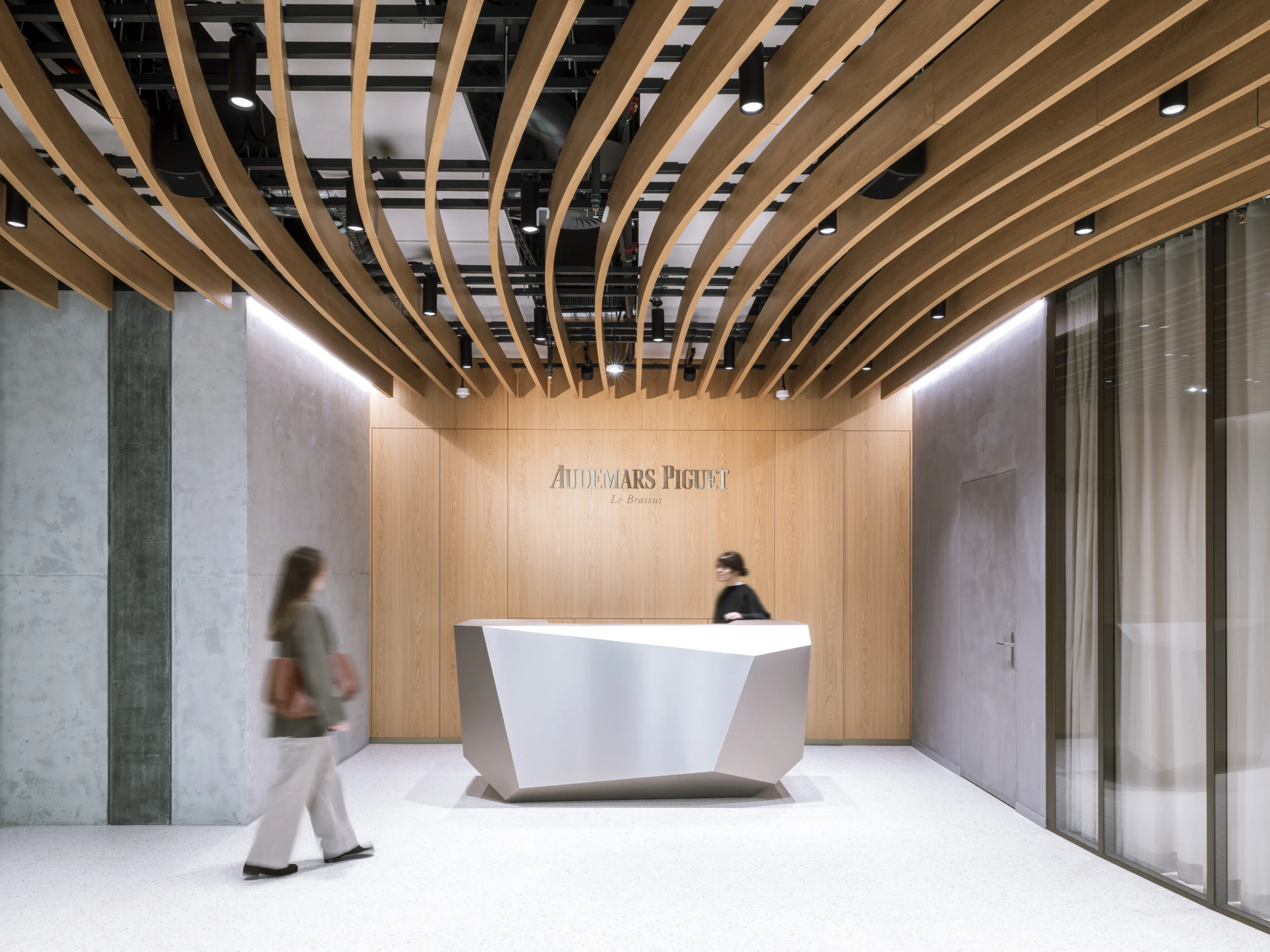
Around 200 employees have moved into the building, working in a setting designed to be efficient, adaptable, and environmentally responsible. The inauguration took place on March 19, 2026, in the presence of local and cantonal authorities, representatives from FdMP Architects, and members of the Board and management of Audemars Piguet.
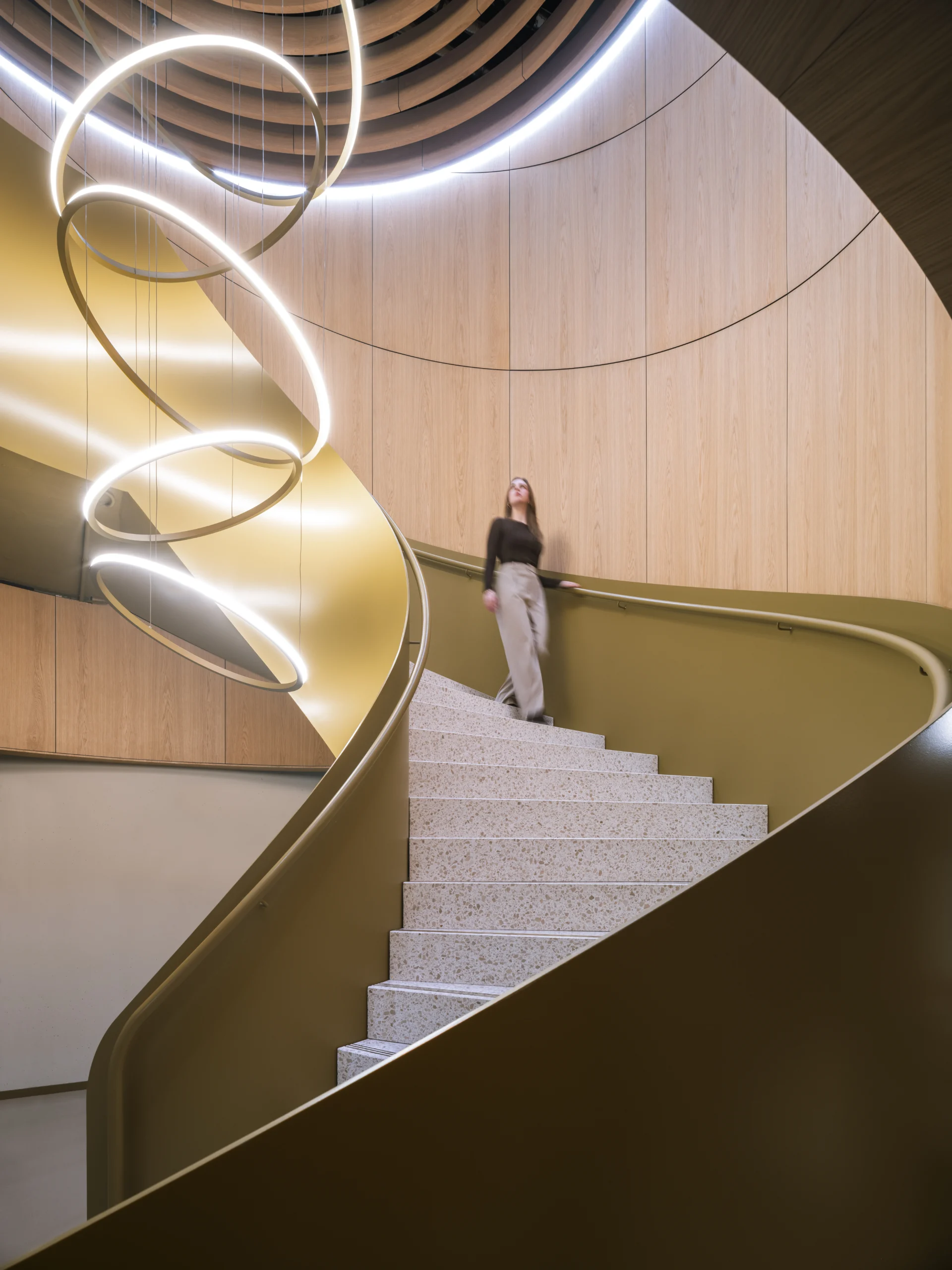
A Heritage and Architectural Approach
This large-scale project reflects Audemars Piguet’s commitment to linking its history with present-day design, notably through the restoration of a former industrial building once used by the pharmaceutical company Uhlmann-Eyraud, originally built between 1963 and 1965.
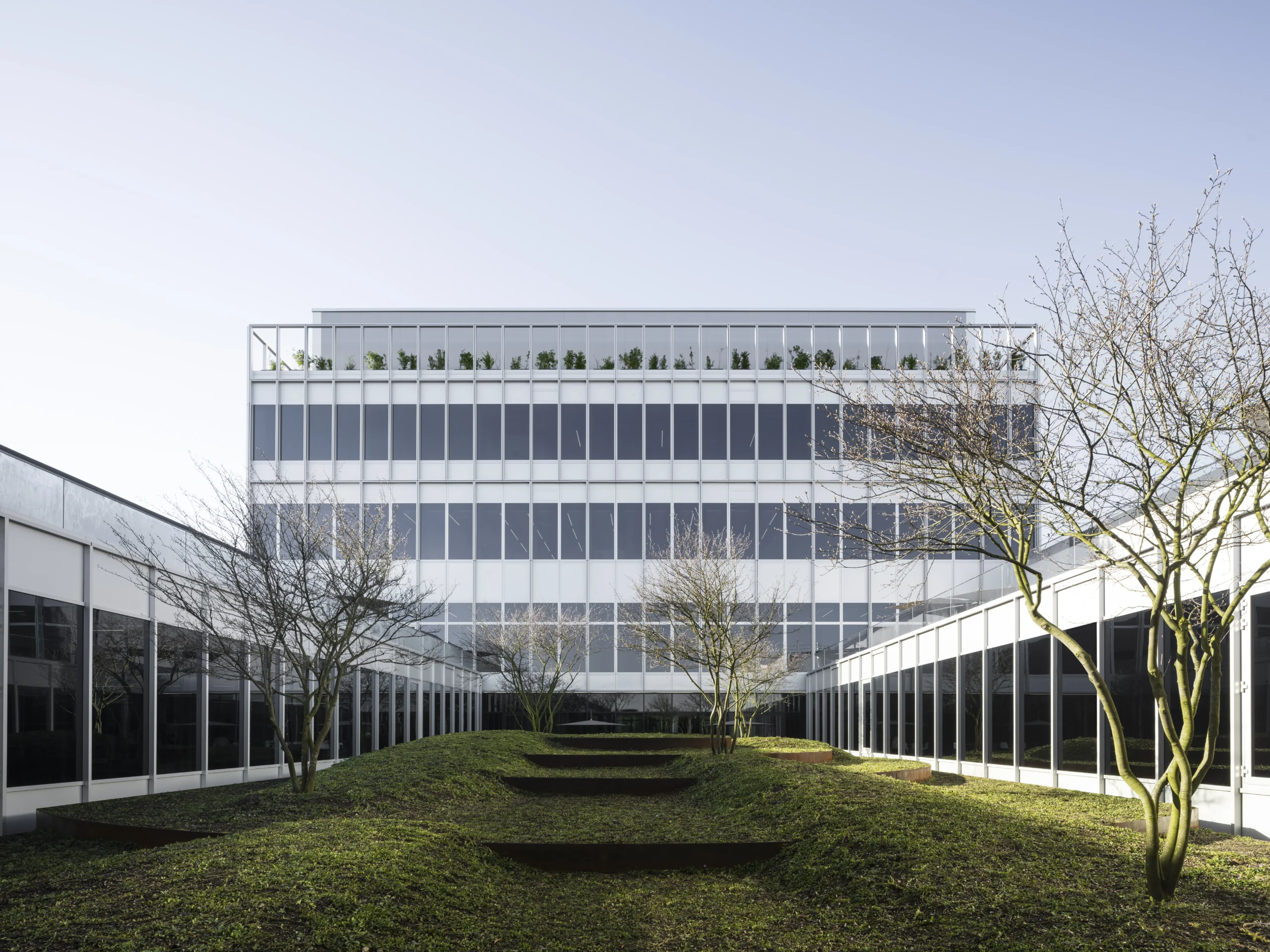
The U-shaped structure, recognised for its historical importance and acquired by Audemars Piguet in 2023, was first renovated and adapted to support watchmaking activities. The work focused on making better use of the existing space while also adding a new four-story building to complete the layout, along with two side extensions on the upper ground level.
Together, these developments—led by the Swiss firm FdMP Architects—now provide a total surface area of 9,000 square meters, nearly four times the previous 2,400-square-meter facility. The new site can accommodate up to 350 employees.
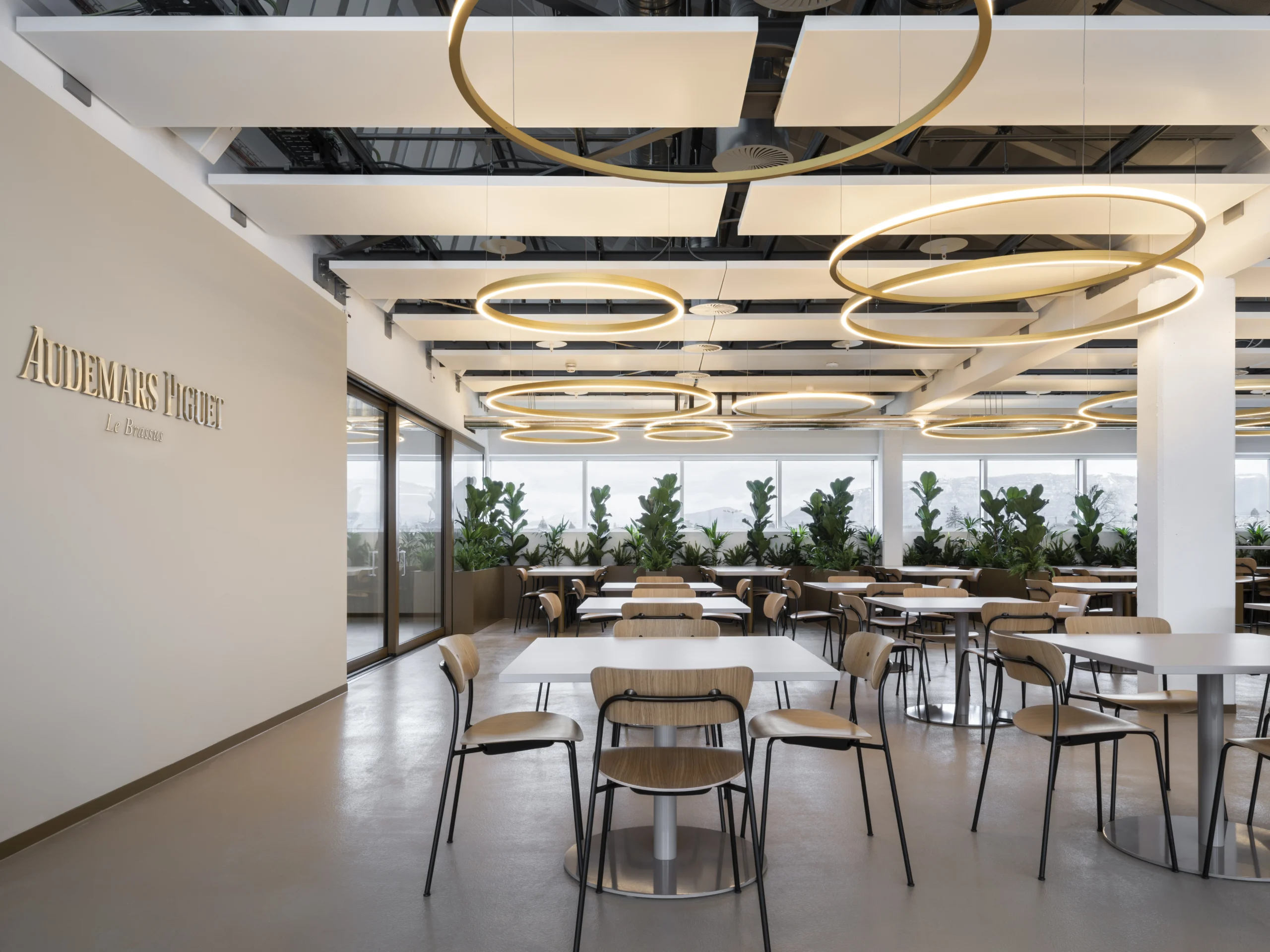
Efficient by Design, Responsible by Nature
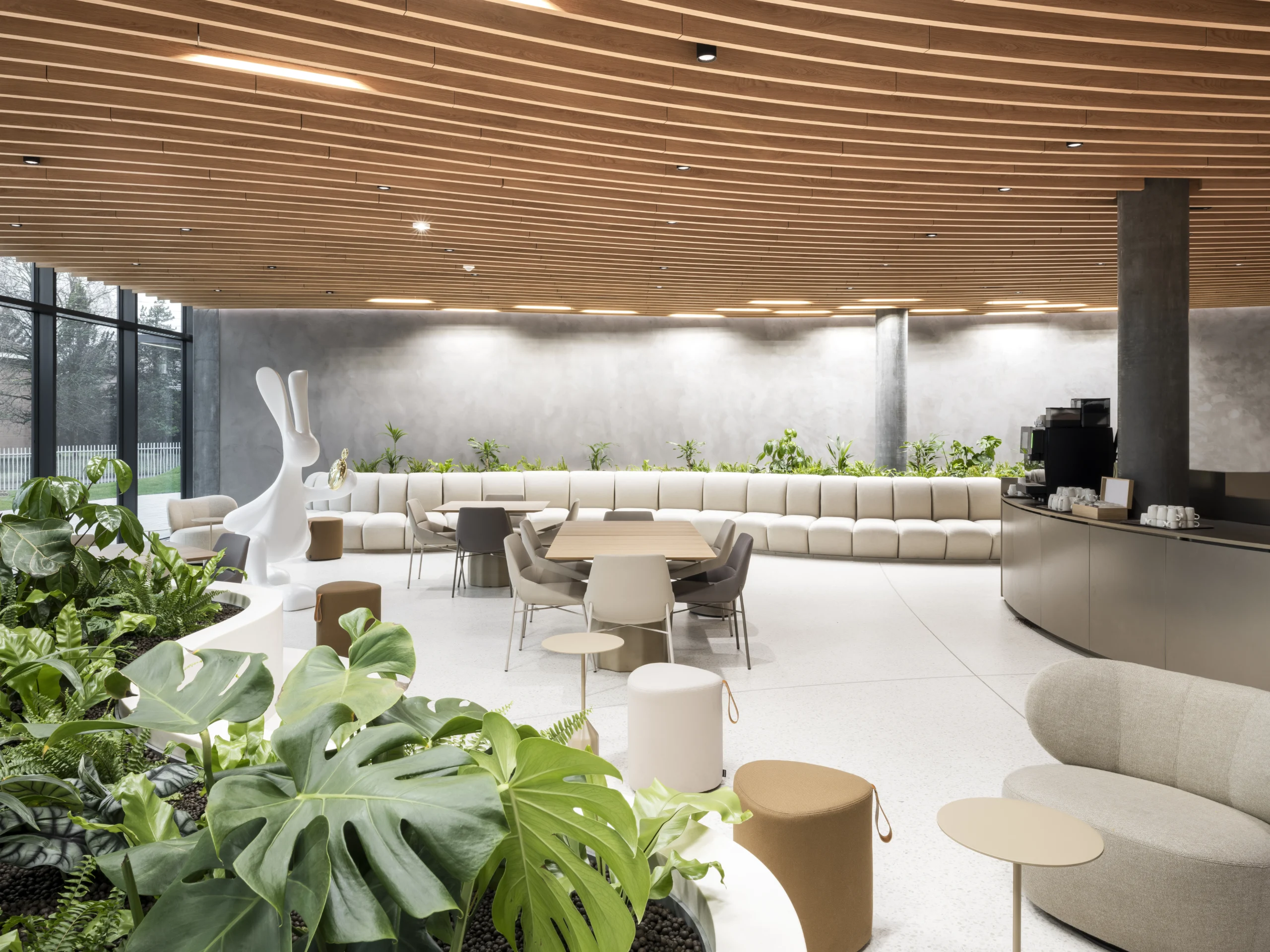
The facility is designed around collaboration, flexibility, well-being, and efficient production. Open and varied workspaces encourage communication, creativity, and focus, while a central gathering area connects people and overlooks a landscaped courtyard. The layout creates a balanced environment where employees can choose how and where they work.
Flexibility is ensured through modular spaces that can adapt to new equipment, roles, or team growth. Open production floors, adjustable systems, and movable partitions allow the building to evolve over time. Natural light is carefully controlled through roof design and modern façades, creating a comfortable and consistent indoor atmosphere.
Production is organised to follow a clear, logical sequence, with activities distributed across different levels for efficiency. Existing machinery has been upgraded with new equipment to meet higher standards. Environmental features such as solar panels, rainwater reuse, and heat recovery systems reduce resource consumption, while smart controls manage energy use. Easy access to public transport and on-site parking supports more sustainable commuting.