
The founder of Media Productions USA and co-founder of the Follow Your Heart Film Festival reflects on building opportunities for filmmakers, the changing role of festivals, and why showing up can matter just as much as making the film.
By Luc Durand
29th September 2026
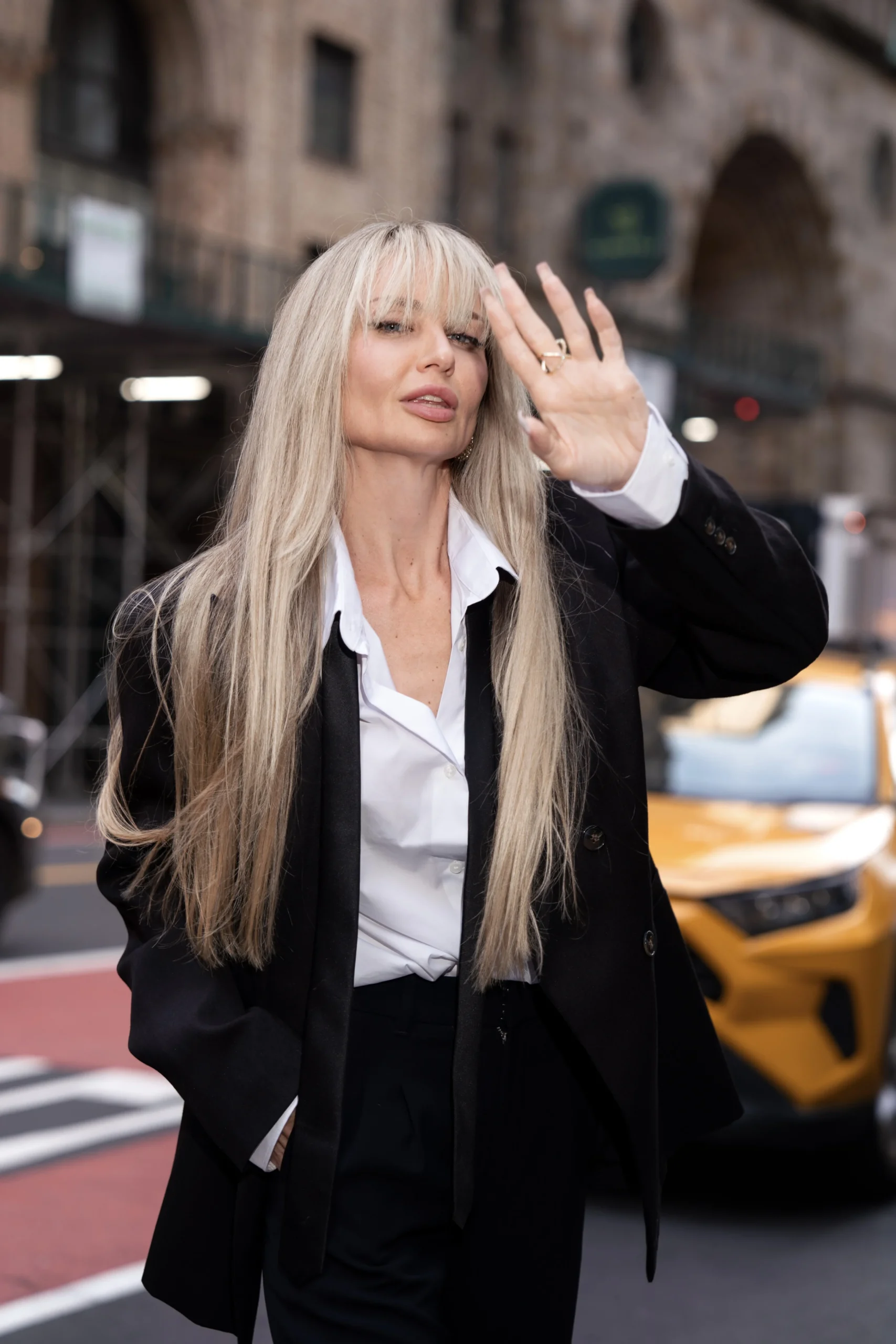
Some people discover cinema through the screen. Ava Golban discovered it through the people behind it.
Over the past several years, the founder of Media Productions USA has built her career at the intersection of film, media and fashion, helping creative professionals earn not only recognition, but the visibility that allows careers to grow. Television appearances, editorial features, red carpets and strategic partnerships have become part of her daily work, yet it was independent cinema that gradually became its natural extension.
That vision took shape through the Follow Your Heart Film Festival, an international festival dedicated to short films that has steadily expanded its global reach. Its 2026 New York edition, held at AMC Empire 25 in Times Square, received 2,988 submissions from more than 90 countries across six continents. Only 70 projects advanced to the finalist round, bringing together filmmakers whose work reflected remarkably different cultures while sharing one common goal: to be seen by the right audience.
For Ava, however, a festival has never been just about selecting films. It is about creating opportunities. A screening can introduce a filmmaker to future collaborators. A conversation after a panel can become the beginning of a new project. Even a photograph on the red carpet can become part of a filmmaker’s professional story.
As conversations about the future of theatrical cinema continue across the industry, Ava believes independent festivals have an increasingly important role to play—not because they compete with larger events, but because they create spaces where emerging voices can still be discovered.
We spoke with Ava Golban about building cultural platforms, reviewing thousands of films from around the world, and why commitment still matters more than talent alone.
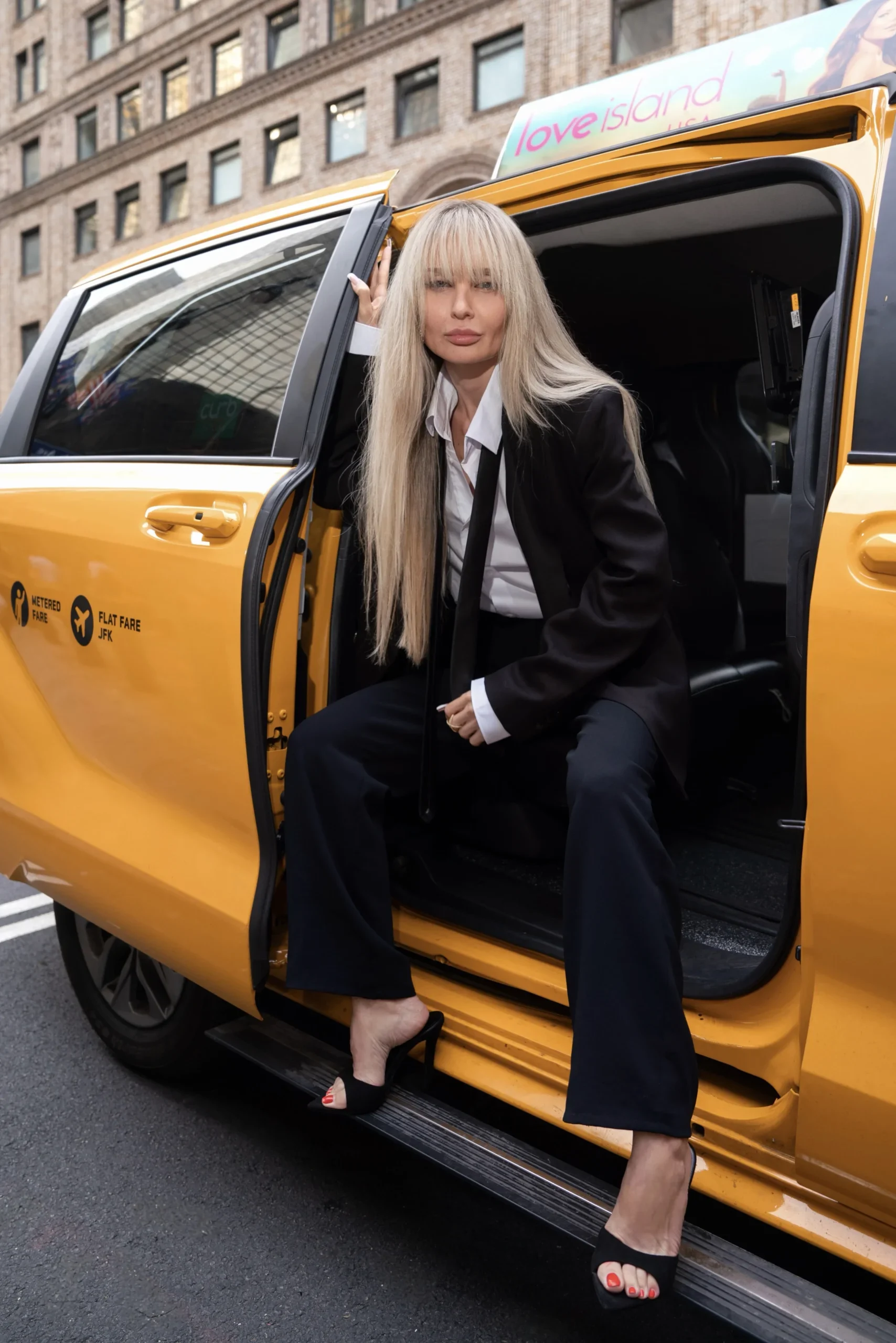
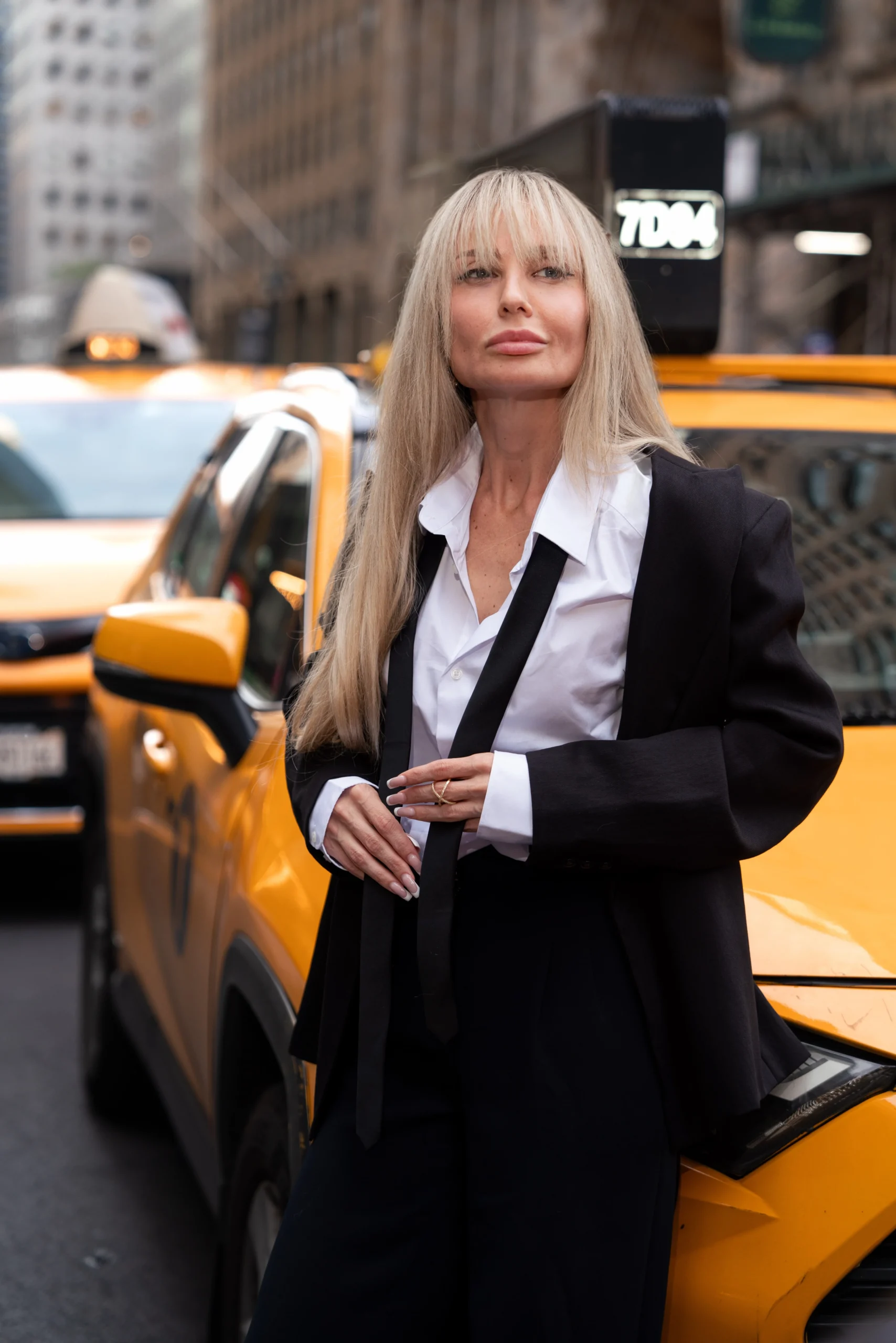
Your career has never stayed inside one industry. Was that intentional?
Not at the beginning. I’ve always been interested in people with something meaningful to say, regardless of whether they worked in film, fashion, television or business. Over time I realized those industries aren’t as separate as they appear.
A film needs media. A designer needs storytelling. A public figure needs credibility. They all face the same question: How do you make people care?
That’s where I found my place.
Through Media Productions USA, we help clients build that bridge. Sometimes it’s television, sometimes editorial placements, sometimes producing an event or connecting people who should know each other. I enjoy creating those opportunities because I’ve seen how a single introduction or the right piece of media can change someone’s trajectory.
The festival became a natural continuation of that philosophy. It wasn’t about adding another event to the calendar. It was about creating a place where talented filmmakers could meet audiences, journalists, industry professionals and future collaborators in one room.
This year’s festival received nearly 3,000 submissions from around the world. What did that experience teach you?
First, it reminded me how much remarkable work exists outside the traditional studio system.
When almost 3,000 films arrive from more than 90 countries, you stop thinking in terms of geography. Good storytelling has no accent. You begin noticing something else: honesty.
Audiences recognize it immediately, whether the film comes from Kazakhstan, Colombia, the United States or anywhere else.
The selection process was challenging because reducing that number to just 70 finalists forces you to move beyond personal taste. As a jury, you’re constantly asking different questions. Will this story stay with people after they leave the theater? Does the filmmaker understand the audience they’re speaking to? Is there a distinct voice behind the camera?
That’s one of the greatest privileges of festival work. You develop a global perspective on where cinema is heading long before many of those filmmakers become widely known.
What also impressed me was how entrepreneurial many independent filmmakers have become. They’re no longer simply making films. They’re thinking about distribution, branding, partnerships and audience engagement from the very beginning. That’s encouraging because great filmmaking today requires both artistic vision and an understanding of the industry you’re entering.
The New York edition concluded with an industry panel featuring casting director Adrienne Stern, cinematographer Albert Rudnitsky and stunt coordinator Roberto Lopez. What stayed with you after that conversation?
What I appreciated most was that nobody was trying to predict the future. There was no conversation about algorithms or chasing trends. We talked about filmmaking.
Everyone approached the question from a different perspective, but the conclusion was remarkably similar: audiences still respond to authenticity. Technology will continue to change, distribution will continue to evolve, but people still remember stories that make them feel something.
One comment from the discussion stayed with me. We spend so much time asking how to protect the theatrical experience, but perhaps the better question is how to keep making films that deserve to be seen in a theater. If the story is powerful enough, people will always leave home for that experience.
That was encouraging because it shifted the conversation back to the creative process, where it belongs.
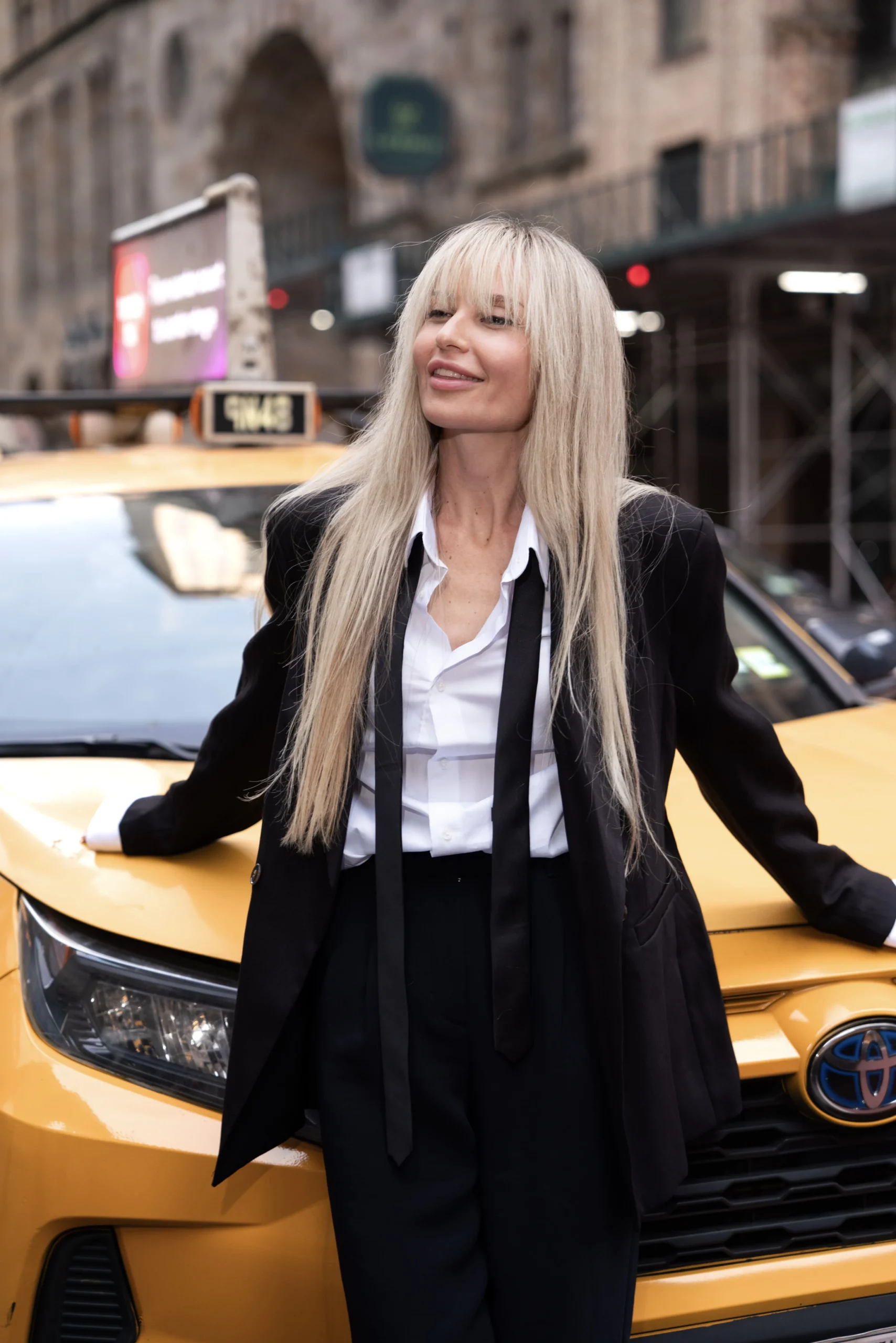
You’ve often said that filmmakers should show up for their own films. Why is that so important?
Because films don’t exist in isolation. The people behind them matter too.
One of the most memorable moments from this year’s festival involved Upside Down on Long Island. It’s a charming comedy with a distinctive sense of humor, but during the judging process it wasn’t one of the obvious frontrunners.
Then the filmmakers came to New York.
The lead actress, Malena Sadaka, believed in the film so strongly that she insisted on attending the screening. She introduced the project, stayed for the audience reaction and spoke with people afterward.
Something changed in the room.
The audience laughed from beginning to end. You could feel the energy. Suddenly everyone was experiencing the film together instead of watching it individually, and that collective reaction revealed something we hadn’t fully appreciated during judging.
Malena ultimately received both Best Actress and the Audience Choice Award.
For me, that was an important reminder that judges are people too. We do our best to evaluate every project objectively, but cinema is meant to be experienced with an audience. Sometimes a film finds its moment because the people who created it cared enough to be there.
I always encourage filmmakers to show up if they can. Maybe one festival isn’t the right fit. Maybe the next one is. But relationships are built in person, not through submission platforms.
Short films are often treated as a stepping stone to feature filmmaking. Do you agree?
Not really.
Some of the most disciplined storytelling I’ve seen happens in short films. When you have ten or fifteen minutes, every decision matters. There’s no room for unnecessary dialogue or scenes that don’t serve the story.
A great short film demands clarity. You have to know exactly what you’re trying to say.
It’s also where you begin to understand the market. More and more filmmakers arrive with a complete strategy. They already know where their film belongs, how they’ll promote it and what they hope it will become afterward. That’s a very healthy change.
One project that impressed me this year was The Lullaby. It’s a horror short, which isn’t a genre we typically associate with our festival, but it was impossible to look away. Every creative decision—from cinematography to color grading to performance—worked together beautifully.
What made it even more interesting was that it had been developed as part of a larger series. That showed the filmmakers weren’t thinking only about one festival run. They were thinking about longevity, audience building and sustainable production.
I love seeing that combination of artistic ambition and professional awareness. Independent cinema needs both.
Monaco has a unique cultural identity, where cinema, fashion, philanthropy and international business naturally intersect. What interests you about that environment?
I’ve never believed a festival should try to imitate another festival. Every city has its own character, and the most successful cultural events grow out of that identity rather than compete with it.
That’s what I find interesting about Monaco.
It’s a place where international audiences already expect meaningful cultural experiences, yet there’s still room for new conversations. Short films, in particular, deserve that kind of platform.
They’re often where new voices emerge first, where creative risks are taken and where future feature directors begin shaping their careers.
Monaco also understands something that many cities are still discovering: culture doesn’t exist in isolation. Cinema speaks to fashion. Fashion speaks to media. Media connects audiences with ideas. When those worlds come together naturally, everyone benefits, especially emerging artists.
I think that’s an exciting environment for independent filmmakers because visibility there carries an international dimension.
After reviewing thousands of films and working across media, television and festivals, what still surprises you?
Commitment.
Talent doesn’t surprise me anymore because there is extraordinary talent everywhere. Every festival proves that.
What still surprises me is the determination behind certain projects. Some filmmakers spend years bringing a story to life with almost no resources. They solve problems most audiences will never know existed, and then they arrive at a festival ready to start all over again by introducing themselves, answering questions and building relationships.
Those are the people I remember.
I’ve also learned that careers rarely change because of one perfect moment. They change because someone keeps showing up.
People often ask me what the secret is to getting noticed.
There isn’t one.
Make the strongest work you can. Be curious. Listen more than you speak. Be professional. Support other filmmakers instead of treating them as competitors. And when your film is invited to a festival, be there if you possibly can.
I’ve watched conversations in a lobby become producing partnerships. I’ve seen journalists discover filmmakers they had never heard of before. I’ve watched audience reactions completely transform the way a film was perceived.
Those opportunities can’t always be planned, but they only happen if you’re present.
At the end of the day, that’s what I hope Follow Your Heart continues to create.
Not simply an awards ceremony, but a place where careers quietly begin.
Closing
For Ava Golban, cinema has never been only about what happens on the screen. It is about the people who make the work possible, the conversations that continue after the credits, and the communities that form when artists are given the chance to meet.
In an industry increasingly shaped by technology and constant change, her perspective remains refreshingly simple: great stories still matter, but they travel farther when the people behind them are willing to step into the room.
Whether through Media Productions USA or the Follow Your Heart Film Festival, Ava continues to build those rooms, bringing together filmmakers, industry professionals and audiences who believe independent cinema deserves not only recognition, but meaningful opportunities to grow.
As the festival expands its international reach, her focus remains unchanged.
“Film has always been about human connection,” she says. “Everything else is just the way we get there.”
Credits
https://www.instagram.com/egorlemvid