
Perfume has always possessed a peculiar social power. Nothing is visible, yet a few carefully chosen notes can become inseparable from the person wearing them. Years later, the slightest trace of iris, leather, rose or amber may recall a face with startling precision, return someone to a particular street, or recover the mood of an evening thought to have been forgotten. Scent reaches memory before reason has time to intervene; perhaps that is why perfume can feel so personal, and why the right bottle often becomes part of a person’s identity.
by L’Officiel Monaco
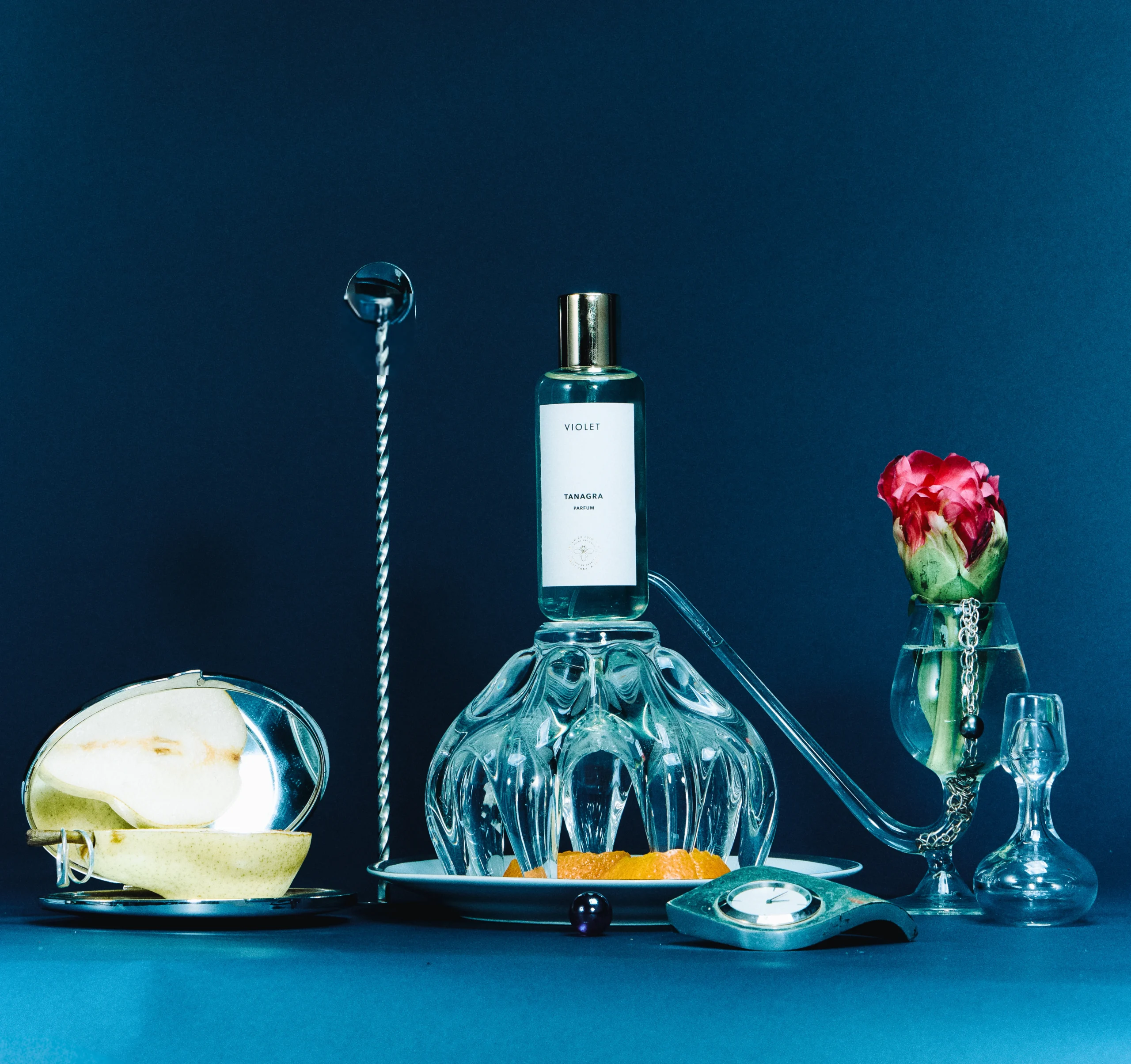
L’Officiel Monaco approaches perfumery with this personal relationship in mind, following both historic houses and independent makers whose work brings a considered point of view to the beauty conversation. Newness alone is rarely enough. Technique, materials, personality and the ideas behind a composition matter far more. One house that makes a persuasive case for looking backwards in order to create something relevant now is MAISON VIOLET.
MAISON VIOLET begins with history — and quite a history it has to draw upon. Its creative language takes cues from traditional French perfumery, from an era when a fragrance was expected to have structure, depth and character. Yet there is no attempt to turn nostalgia into costume. The house studies the codes of the past, keeps what still feels beautiful and gives those ideas another life through contemporary compositions. As Paul, Victorien and Anthony explain, “We are a heritage perfume house with hundreds of years of history. After being at the top of the game for over a century, our iconic house closed its doors, only to reopen them in 2017.”
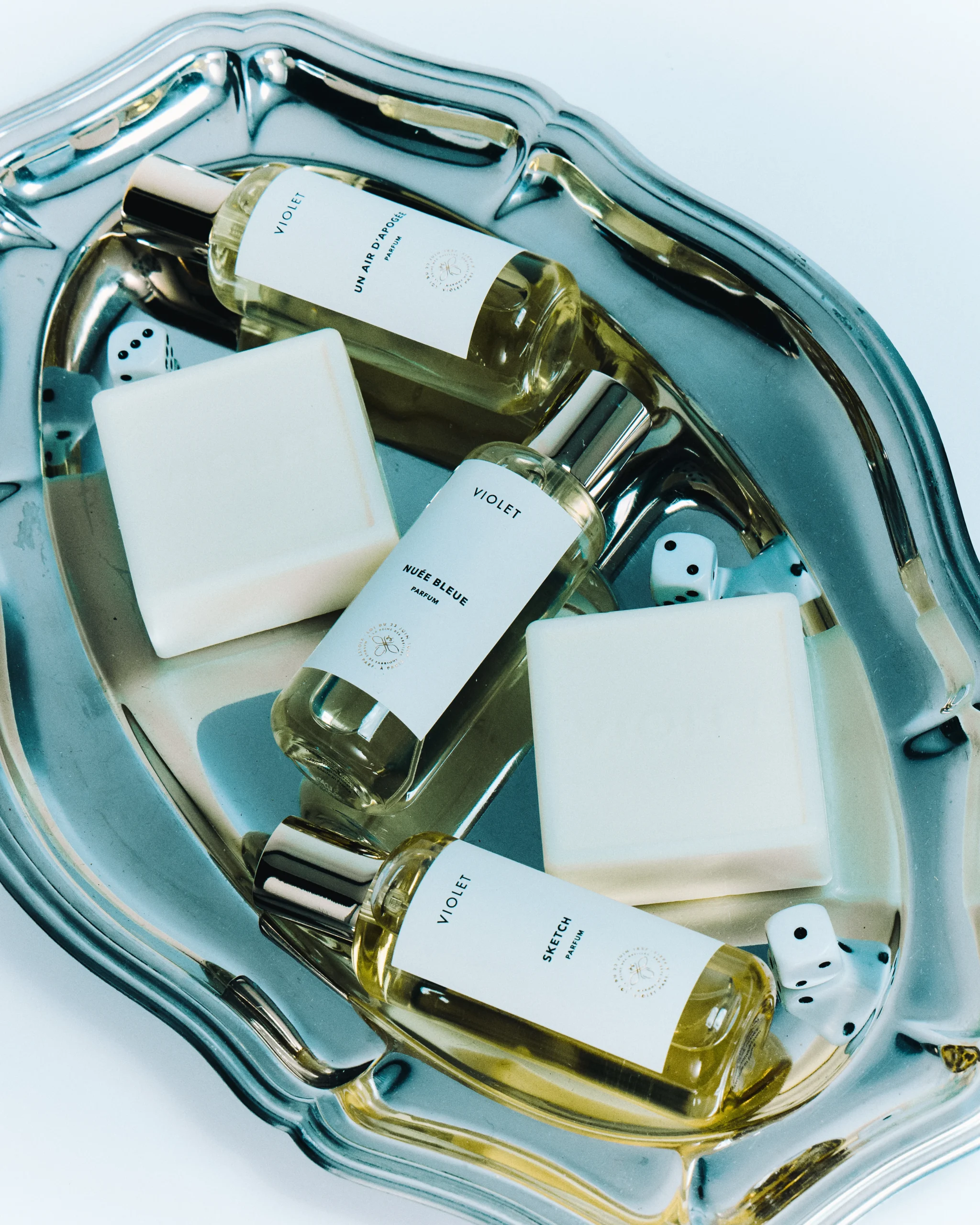
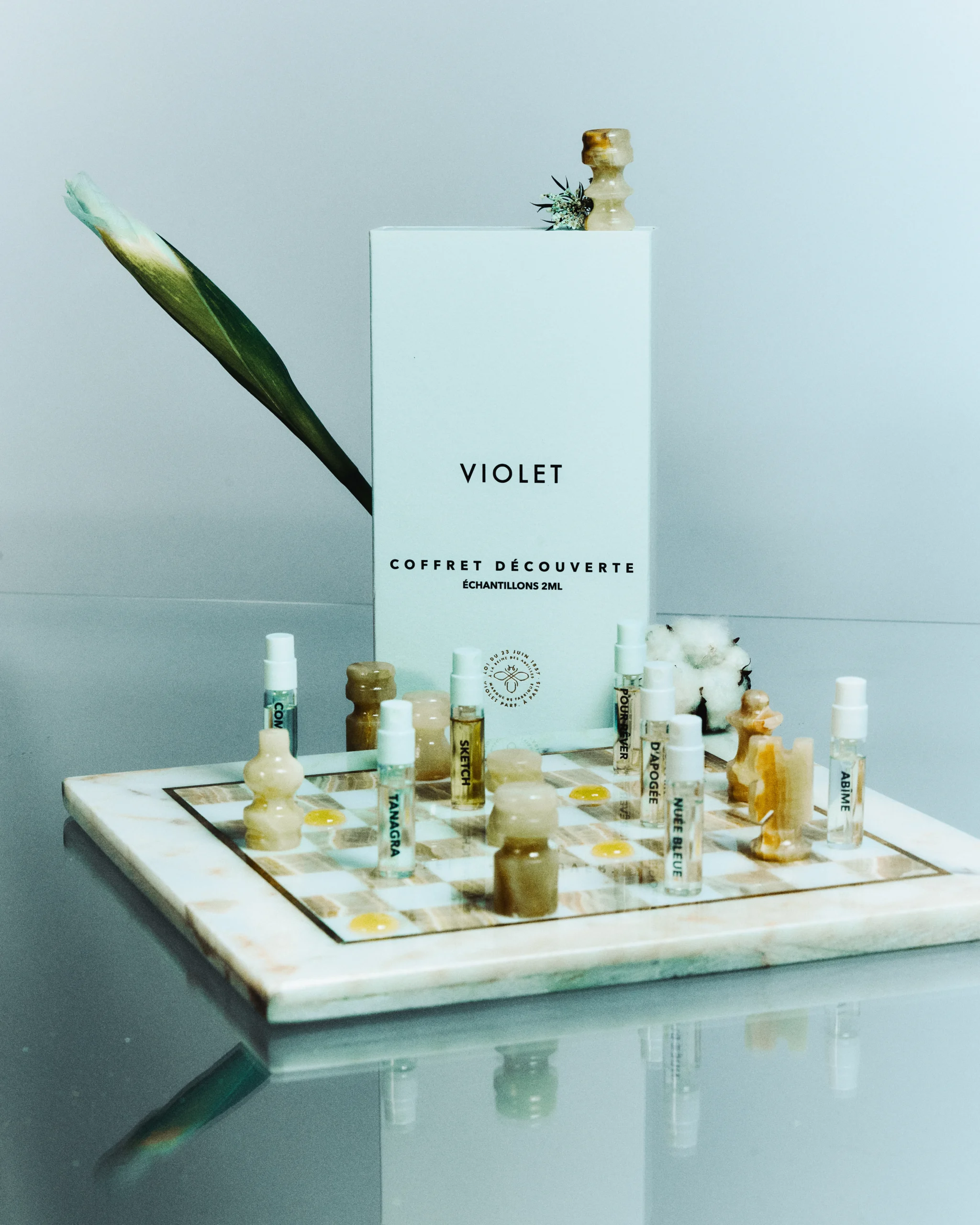
This relationship with memory feels particularly appropriate for perfume. Of the senses, smell has an unusually direct connection to recollection, capable of producing an emotional response before the mind has even identified its source. One breath can open a door to somewhere else: an old apartment, somebody’s coat, summer holidays, a hotel corridor, a first love. MAISON VIOLET places this almost involuntary act of remembering at the centre of its identity. Its idea of nostalgia is consequently selective, not sentimental. There is an intelligence in knowing what deserves to survive. Parisian perfume culture, generations of technical knowledge, careful proportions and an appreciation for beauty provide MAISON VIOLET with its references; the objective is to carry their value forward without simply reproducing what already existed. The fragrances can therefore suggest something known while remaining difficult to place — familiar, perhaps, but without an obvious date attached to them.
That tension between recognition and discovery gives the collection much of its personality. A MAISON VIOLET perfume may recall the powder of an old dressing table, the dry elegance of iris, the warmth of tobacco or the softness of well-worn fabric, yet these associations never have to become literal. They function as fragments: enough to provoke a memory, but open enough for the wearer to create a new one. The founders describe this continuing dialogue between heritage and creation in personal terms: “For the last decade, we have been creating perfumes that we love, trying to put into scent our big feelings for the craft, our history, and our city, Paris.“
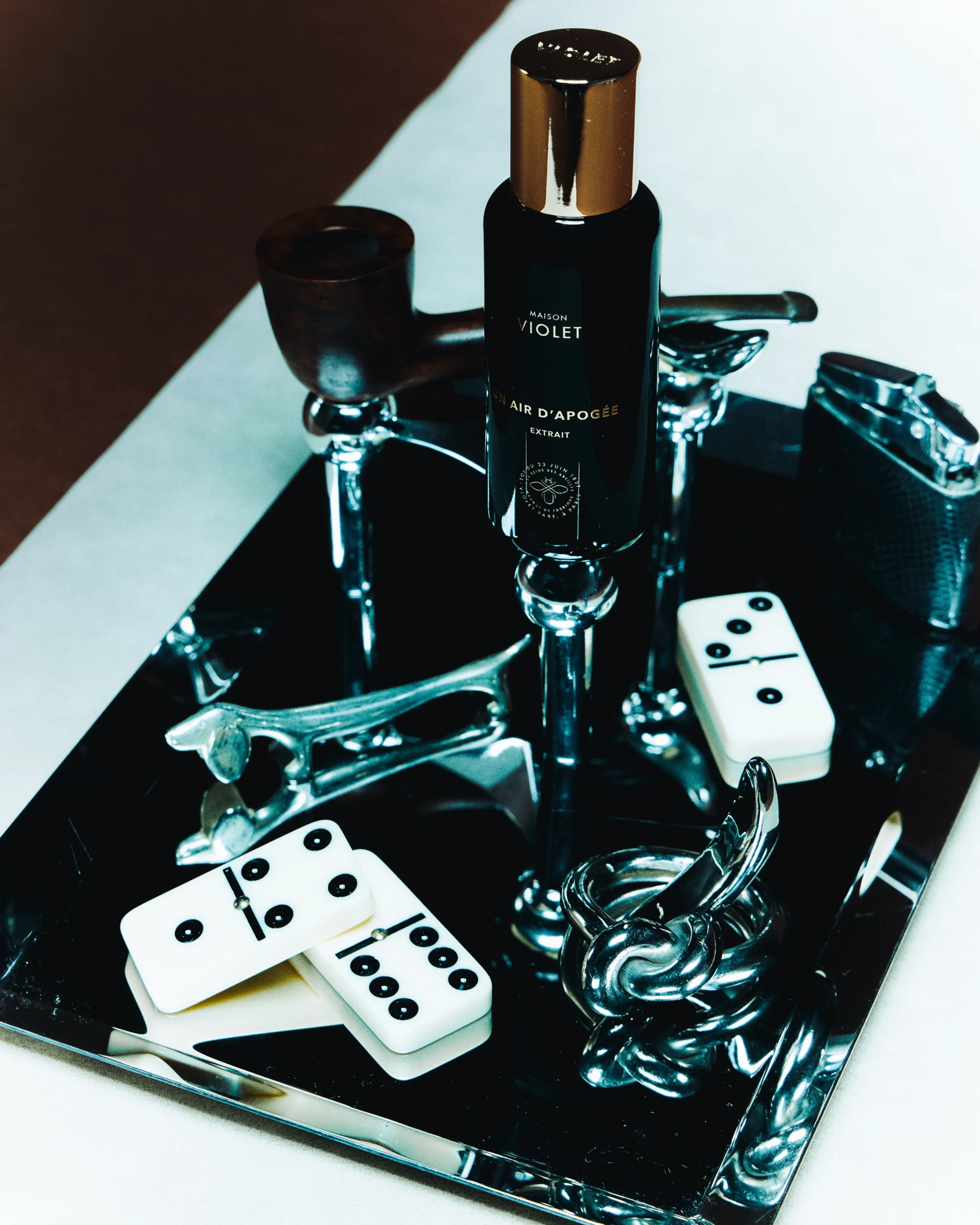
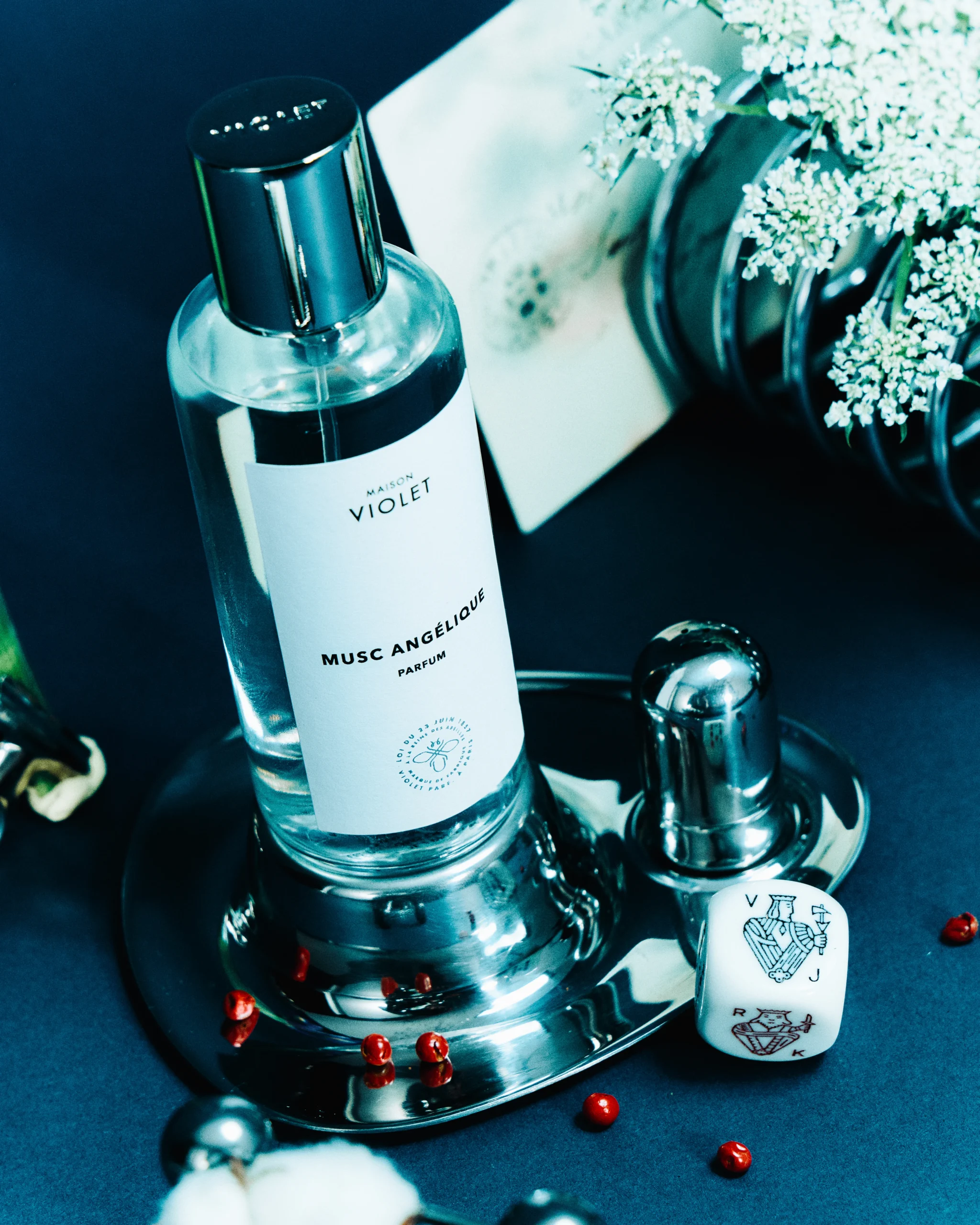
Taste in fragrance is equally revealing. Some gravitate towards dry woods and smoke, others towards powdery flowers, citrus, leather or warm resins, and these preferences often change with age, place and experience. Eventually, a perfume worn often enough acquires another identity altogether: people stop thinking solely of its notes and begin thinking of its wearer. Much like a certain cut of jacket, a favourite ring or a characteristic shade of lipstick, scent becomes part of a person’s recognisable style without ever being visible.
The house also takes a clear position on how perfume should make itself known. Strength for the sake of strength has little place here. Where some contemporary fragrances announce themselves several metres before their wearer arrives, MAISON VIOLET is interested in a more controlled form of presence. Projection is considered as part of the composition, not treated as proof of quality; character comes from construction, proportion and the way the perfume changes on the skin.
There is something distinctly Parisian about that refusal to overstate the point. A well-made fragrance does not require constant explanation, nor does it need to compete with everything around it. It can sit naturally beside clothes, jewellery and the other choices through which personal taste is expressed. Over time, the perfume begins to belong to the wearer almost as much as it belongs to the house that created it.
MAISON VIOLET describes its philosophy through the idea that certain things do not require reinvention; they deserve to be remembered. It is a fitting proposition for a perfume house whose own existence has crossed almost two centuries. Fashion may work in seasons, but fragrance has a different relationship with time: bottles are kept, formulas are rediscovered, and scents return years later carrying associations their creators could never have predicted. The story of MAISON VIOLET reaches back to 1827, when François-Étienne Violet established his perfumery in Paris. An inventive figure in the French cosmetics trade, he registered several patents — among them one for thridace soap — and helped build a house that would collect numerous distinctions over the following decades. MAISON VIOLET operated from several Parisian addresses, with 12 boulevard des Capucines becoming its best-known location.
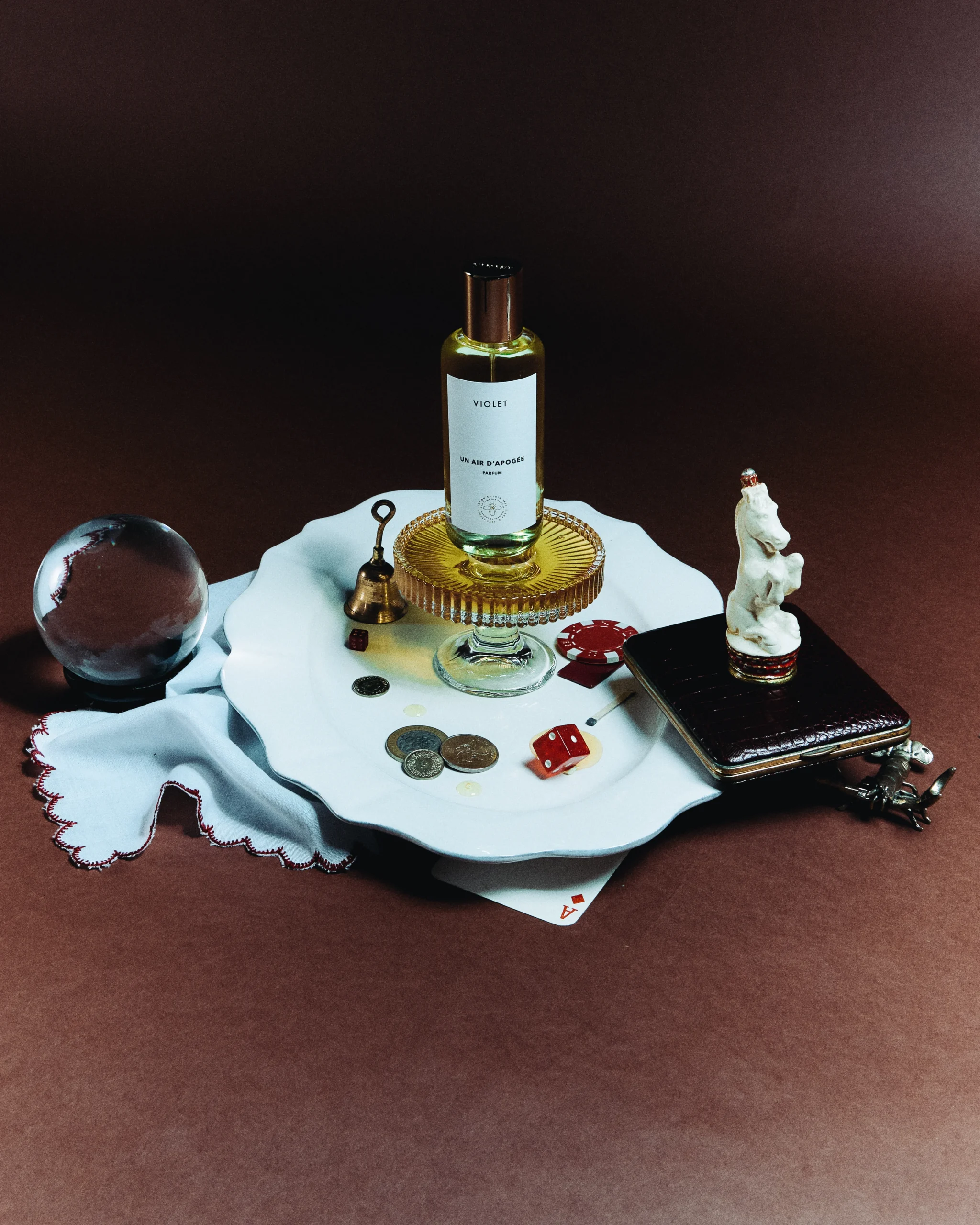
Royal patronage soon placed the house among the notable names of 19th-century French perfumery. MAISON VIOLET became an official supplier to Empress Eugénie of France and Queen Isabella II of Spain. The connection with Eugénie survives in the bee found on the house’s bottles today. In 1858, the boutique took the name “À la Reine des Abeilles – Maison Violet,” while further recognition arrived at the Universal Exposition of 1867, where products developed during Louis Claye’s direction received several awards.
By the time of Claye’s death, MAISON VIOLET ranked among the ten largest French perfume houses. Another important period began in 1885, when Aaron-Marc Rehns took charge and developed the company internationally. Its perfumes travelled far beyond Paris, reaching the United States under the name Veolay, as well as Britain, Russia, Germany, Spain, Portugal and other markets. At its industrial height, the company employed more than 250 people in its factories.
Three men shaped much of this early history. François-Étienne Violet established the inventive spirit of the original business; Louis Claye strengthened its reputation for quality and luxury, while also publishing “Les Talismans de la Beauté”; and Aaron-Marc Rehns transformed an established Parisian name into an international enterprise. Together, their periods at the house trace its development from a local perfumery into a recognised French fragrance company with customers across several continents.
More than a century later, the future of the name would fall into the hands of three perfume students. In 2015, Victorien, Anthony and Paul were studying perfumery in Paris and researching the houses, formulas and personalities that had shaped French fragrance history. During that research, they came across Violet — founded in 1827, once associated with European royalty and formerly counted among France’s important perfume makers, yet largely absent from contemporary conversation.
What began as curiosity gradually became a serious project. The three saw considerable value in the history and identity they had discovered and became determined to return the house to perfumery. In their own words, “What started as the dream of three young perfume students, has turned into the second chance of an iconic fragrance house that just wasn’t done changing the world yet.”
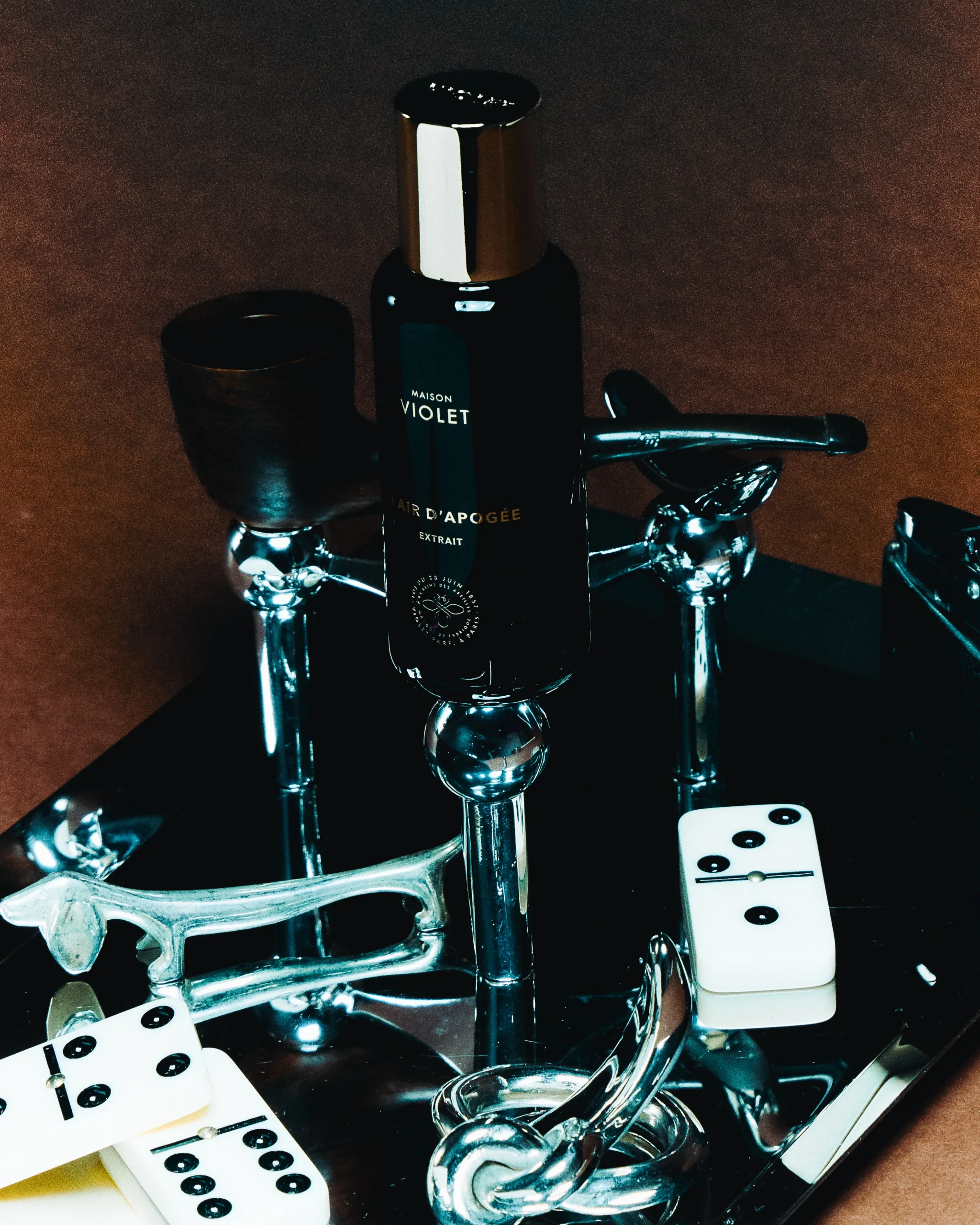
In 2017, the revival was never intended as a simple reproduction of 19th-century perfumery. The house’s history instead provided material for a new generation: its Parisian roots, knowledge of classical perfume-making and established identity could be preserved while new fragrances were created for contemporary wearers.
There is a pleasing symmetry to the story. François-Étienne Violet founded the house in Paris in 1827; almost two centuries later, three young men studying perfumery in the same city encountered his name and decided that its story had ended too soon. Their closing question therefore feels particularly apt: “Do you believe in second chances? We definitely do.”
Webpage: www.maisonviolet.com