
Fragrance has a unique place in personal style: it is invisible, yet it can become one of the details most closely associated with a person. Our sense of smell has a particularly strong relationship with memory and emotion, which explains why a familiar perfume can bring back a person, place or moment years later. The fragrances we choose can also say something about our taste, mood and personality, making perfume an important part of individual identity.
By L’Officiel Monaco
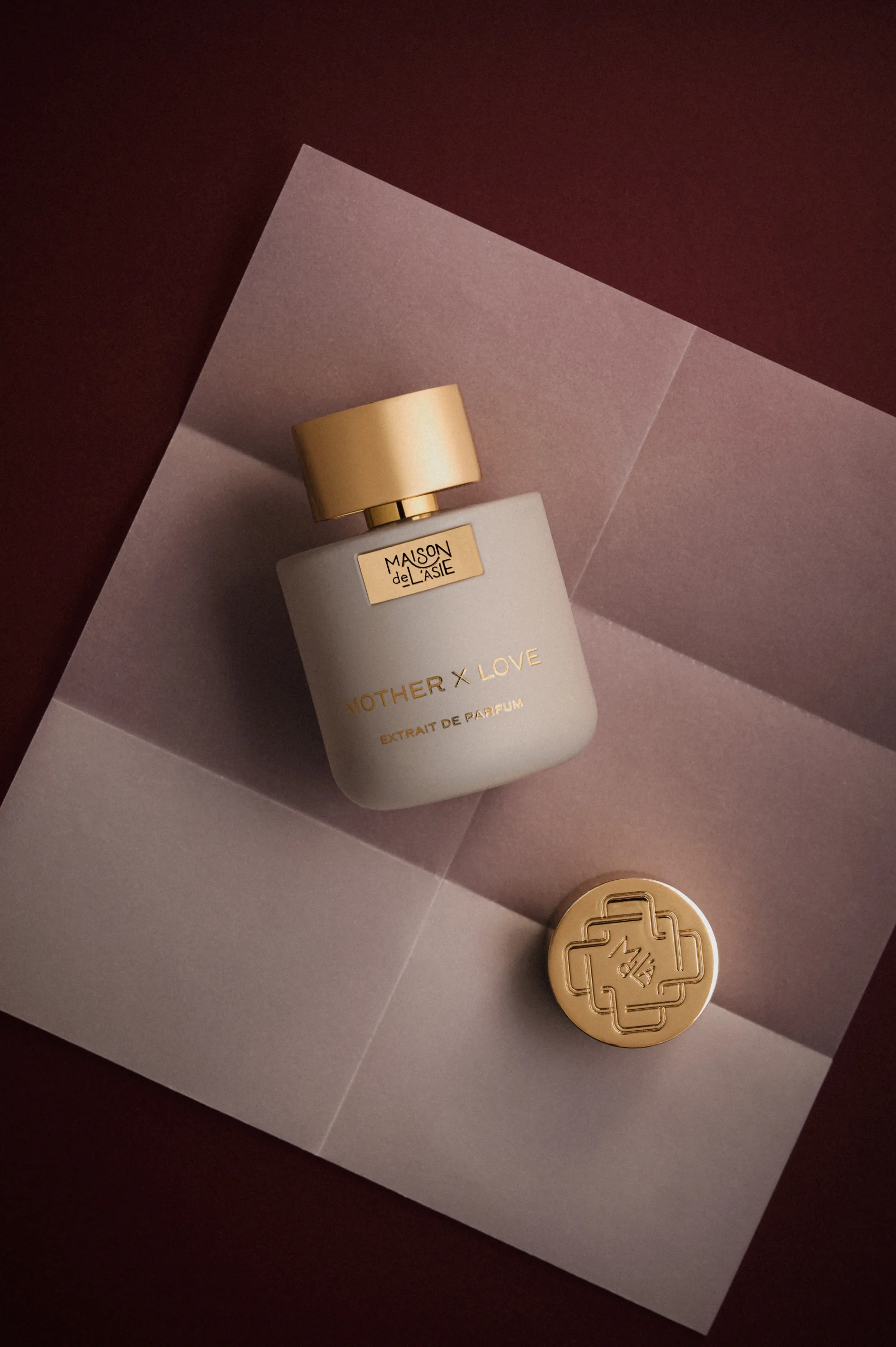
A signature scent can eventually become as recognisable as a favourite way of dressing, a hairstyle or a piece of jewellery… As a trusted guide to the beauty industry, L’Officiel Monaco follows new launches, established perfume houses and independent names that deserve attention.
Born in Singapore and shaped by the many cultural references of Asia, Maison de L’Asie approaches perfume as a meeting point between places, memories and traditional savoir-faire. The house brings Asian influences into conversation with the long-established techniques of French perfumery, working with fifth-generation perfumers from Grasse to translate its ideas into contemporary compositions. Materials sourced internationally give each creation its character, while the stories themselves remain closely connected to Asia. Personal recollections, encounters and emotions provide the starting point, allowing every perfume to read almost like a short story told through scent.
Memory plays an important role in the Maison de L’Asie universe. A fragrance may recall a city, a relationship or a particular moment, creating an emotional connection that can feel surprisingly specific to its wearer. This narrative approach gives the collection a cinematic quality: individual perfumes form separate chapters, yet together they build a wider portrait of experiences rooted in the region.
Behind the storytelling sits a precise approach to formulation. Natural botanical materials are combined with high-quality synthetic ingredients, chosen according to the character and technical requirements of each composition. This combination allows the perfumers to work with greater accuracy, consistency and stability while also considering the environmental impact of the materials used.
Concentration is another defining element. Maison de L’Asie works with artisan perfumers on formulas containing approximately 35–40% fragrance concentrate, giving the perfumes considerable depth and lasting presence on the skin. Attention is paid to the relationship between the opening notes, the central idea of each composition and its base, so that every stage has a clear purpose.
There is also a certain freedom in the way the house treats classical perfumery. Familiar structures provide technical foundations, but they are reconsidered through different cultural references, materials and personal stories. The intention is not to reproduce established formulas, but to give traditional perfume-making a distinctly Asian point of view — one fragrance, one memory and one story at a time.
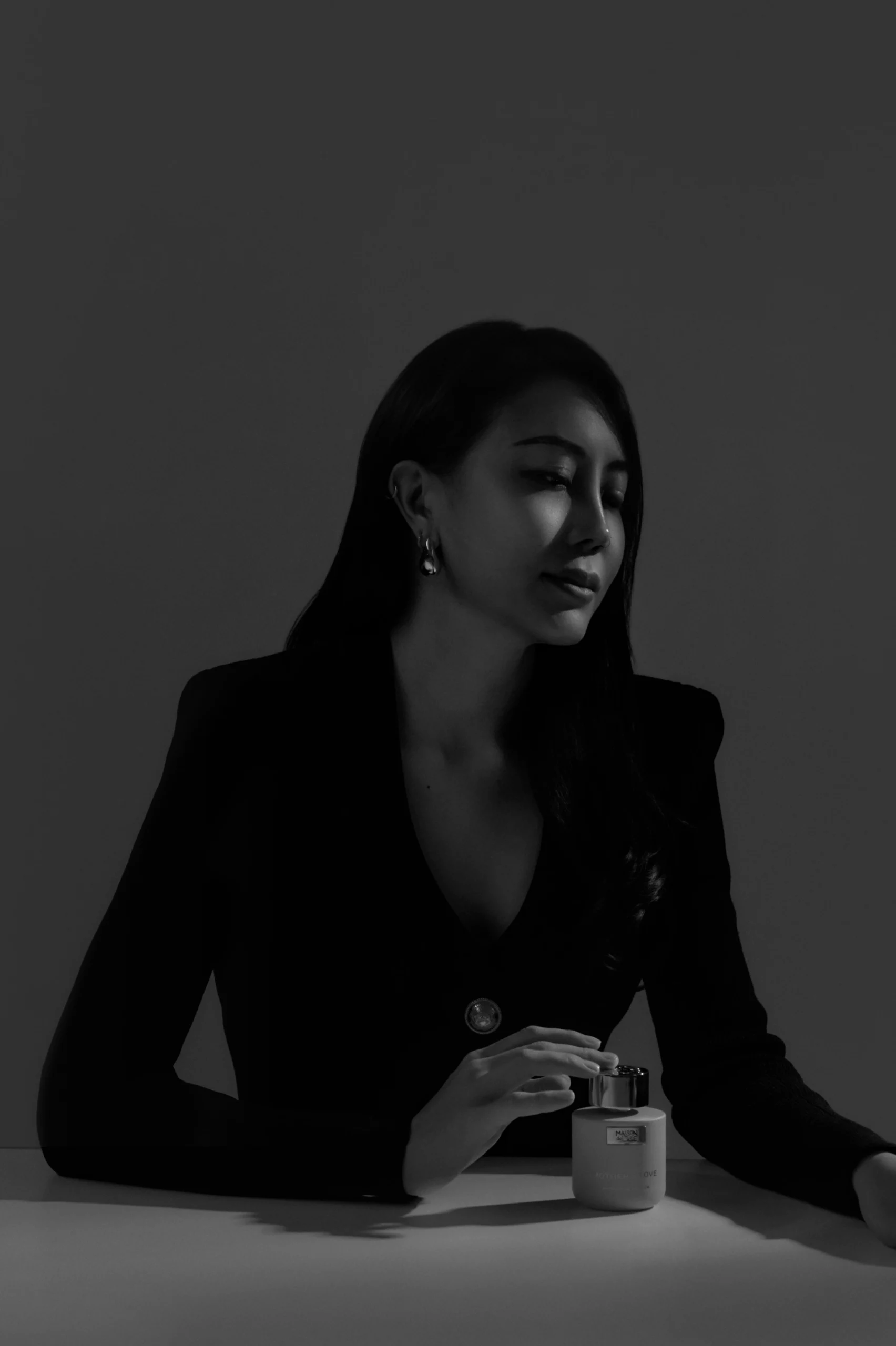
At the centre of Maison de L’Asie is Elizabeth Liau, whose multicultural background has played a defining role in the creative direction of the house. Born in Singapore to a family with Shanghainese, Malay and Dutch-Indonesian roots, she grew up surrounded by different cultures and later carried those influences with her across continents. Her grandfather introduced an early appreciation for creative expression, while cinema, music and art became lasting sources of inspiration throughout her life.
A return to Asia brought a renewed interest in the region’s traditions, aesthetics and personal histories. Fragrance eventually became Liau’s chosen language for translating these experiences into something tangible, bringing her ideas together with the techniques of French perfumery. For her, scent has an unusual ability to bring distant memories back into focus and connect them with the present. That relationship between place, emotion and recollection now sits at the heart of Maison de L’Asie and the stories told through its perfumes.
Maison de L’Asie develops its fragrance universe through a series of chapters, with each collection connected to a different part of Asia and a central idea. The Signature Collection begins in Singapore, the birthplace of founder Elizabeth Liau, before travelling through Indonesia, Thailand and India. Each chapter contains three perfumes — fresh, floral and amber — allowing a single destination to be interpreted from several perspectives.
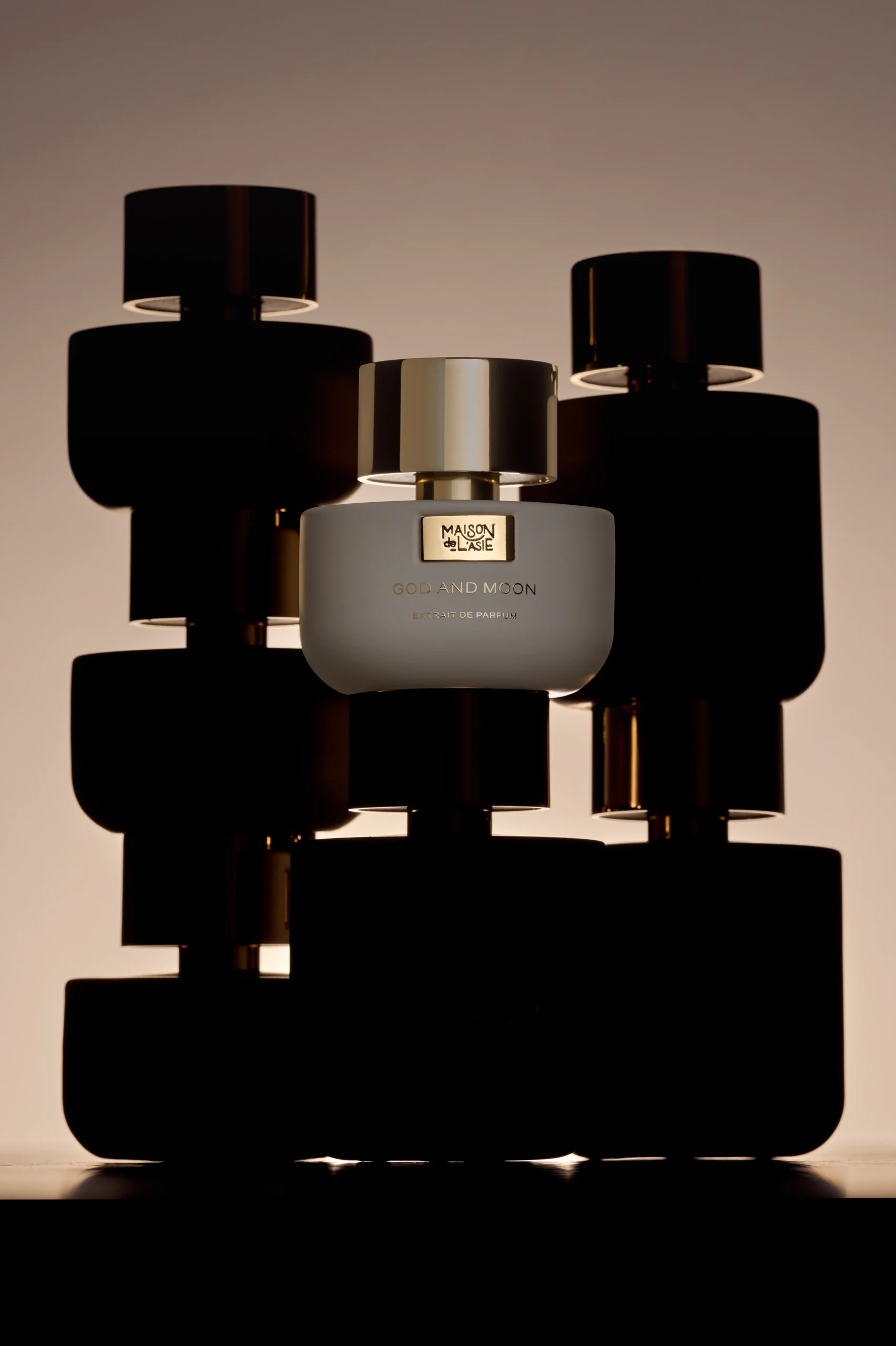
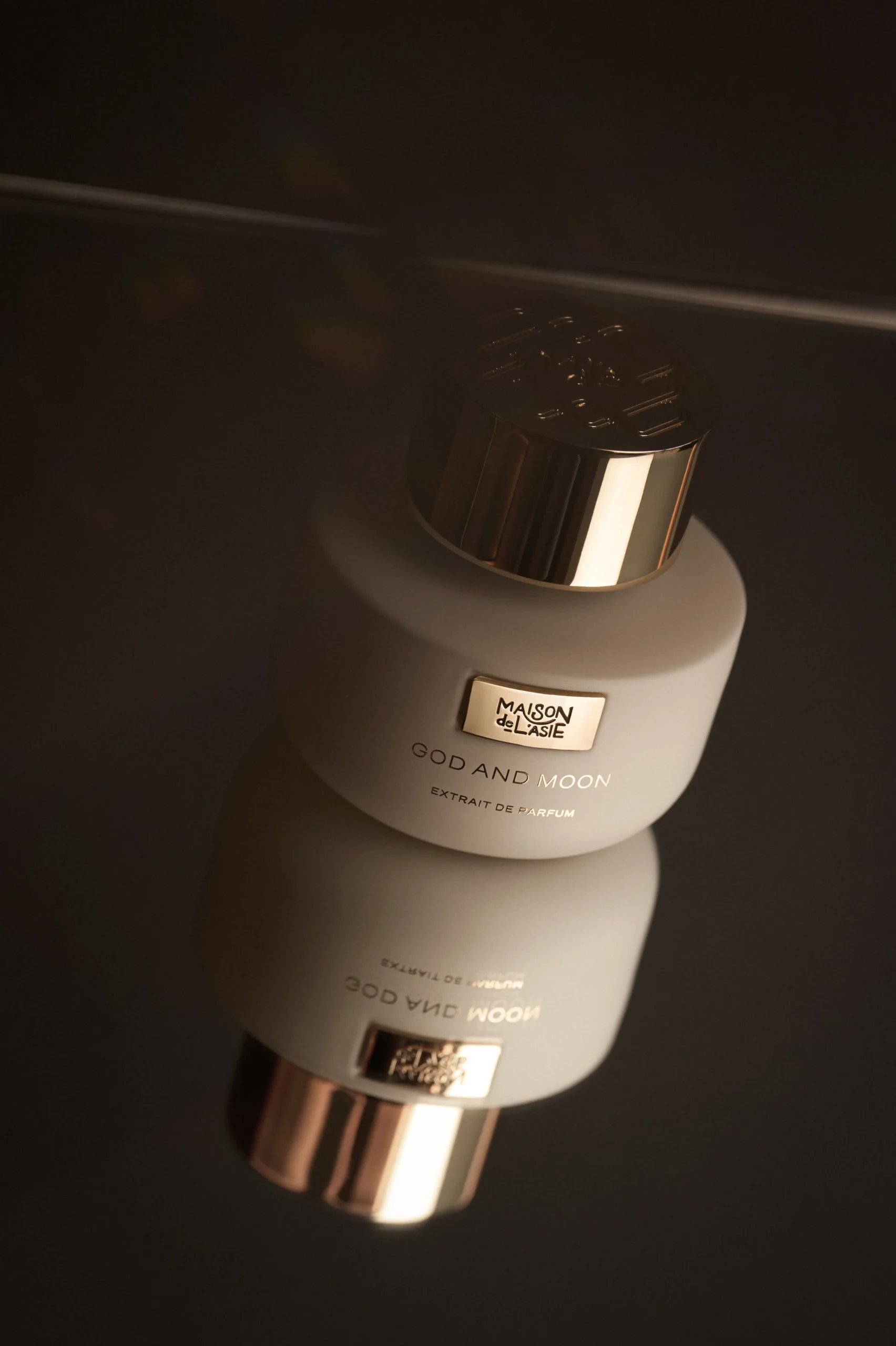
Chapter 01: Singapore looks at nostalgia, identity, relationships and the idea of returning home. Nanyang, an androgynous tea fragrance, combines green tea and bergamot with saffron, jasmine, leather and sandalwood, drawing on Singapore’s history and the wider Chinese diaspora. Mother X Love takes a more intimate direction, inspired by maternal love and personal loss, with lychee, ginger and vanilla followed by jasmine, magnolia, musk and suede. Lost Lovers considers the temporary nature of love and youth through rose, orange blossom, violet and sandalwood, grounded by amber and vetiver.
The story moves to Indonesia with Chapter 02, inspired by Bali and the different ways paradise can be imagined. Bois d’Indonésie references the island’s temples and intricate woodwork through bamboo, lotus, tea, sandalwood, oud and vetiver. Bali Ha’i takes its name and inspiration from the idea of a distant paradise, combining coconut, rose and jasmine with vanilla, ylang-ylang, tobacco leaf and cedar. For the darker side of the island, Les Nuits de Bali brings together saffron, patchouli, rose, oud, sandalwood and oakmoss in a richer interpretation of Bali after sunset.
Bangkok becomes the setting for Chapter 03: Thailand, where the collection turns toward time, change and the contrast between the historic city and its contemporary energy. Bangkok 9/9 pairs gardenia and lily of the valley with clove, tuberose, sandalwood and incense. Rivière Siam takes inspiration from quieter moments beside the river, combining orange blossom, bergamot and lavender with osmanthus, suede, musk and vanilla. Les Soirs de Siam moves into Bangkok at night, using lime, rose, suede, incense, juniper, oud and patchouli for a deeper composition.
Chapter 04: India shifts attention toward spirituality, nature and self-reflection. Terre d’Inde recalls the heat and colours of the Indian countryside through bitter orange, saffron, turmeric, incense, sandalwood and leather. Jardin de L’Inde is softer and more floral, pairing peach, bergamot and mate with narcissus, violet leaf, pink pepper, sandalwood and vanilla. God and Moon closes the chapter with one of the collection’s richest formulas: gardenia, Indian tuberose and plum lead into coffee, honey, tonka bean and cardamom, followed by oud, rosewood and cedar.
A separate direction appears in the Master Perfumer Collection, created as a platform for recognised perfumers to interpret cultures and ideas through limited releases. Here, the focus moves from the founder’s personal geographical memories toward the individual creative language of the perfumer. French perfumer Antoine Lie, known for unusual combinations and a strong interest in smoky, spicy and animalic materials, leads the collection’s interpretations of Japan and Mongolia.
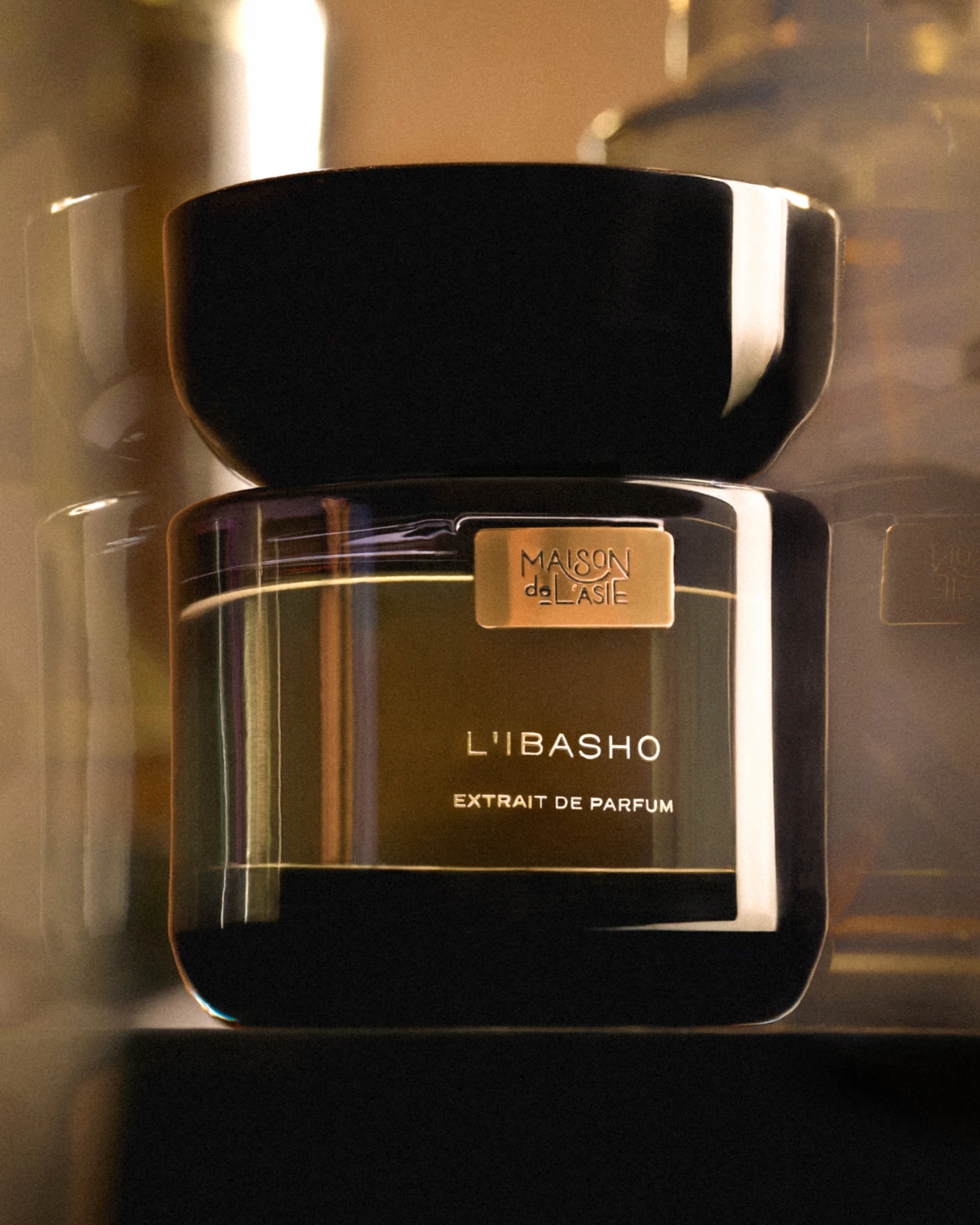
Japan is examined through the idea of balance and contrast. Guns of Sakura takes the more provocative route, bringing blackcurrant and olibanum together with metallic notes, a gunpowder accord, birch, musk, guaiac wood and sandalwood. Its counterpart, L’Ibasho, is quieter in character, drawing on sakura flowers, cherry, Turkish rose, rice and ink accords, followed by patchouli, orris butter and powdery notes. Together, the two perfumes present very different sides of the same cultural reference.
The journey then reaches Mongolia with Exile Nine and Tenger’s Son. Here, vast open territory, nomadic life and solitude provide the creative references. Exile Nine combines bergamot, artemisia and violet leaf with orris, orange blossom and hay before settling into earthy notes, suede and styrax. Tenger’s Son takes a darker direction, inspired by the image of a Mongolian warrior during a quiet moment before action. Ginger, galbanum and nutmeg open the fragrance, followed by birch tar, a caviar accord and labdanum, with patchouli, castoreum, guaiac wood and vanilla at the base.
Across these collections, Maison de L’Asie uses geography as a starting point for stories that move between personal memories, cultural references and contemporary perfume-making. Singapore, Bali, Bangkok, India, Japan and Mongolia each influence the character of the compositions in a different way. Tea, woods, flowers, spices, incense, leather and less conventional accords translate these references into scent, connecting place and memory throughout the collection.
WEB: www.maisondelasie.sg