
Luxury brands have long held a unique allure for consumers around the world. Yet some of the most coveted pieces remain remarkably difficult to obtain — even for those with seemingly unlimited spending power. So what lies behind this carefully cultivated exclusivity?
by Lisa Ditzlmüller
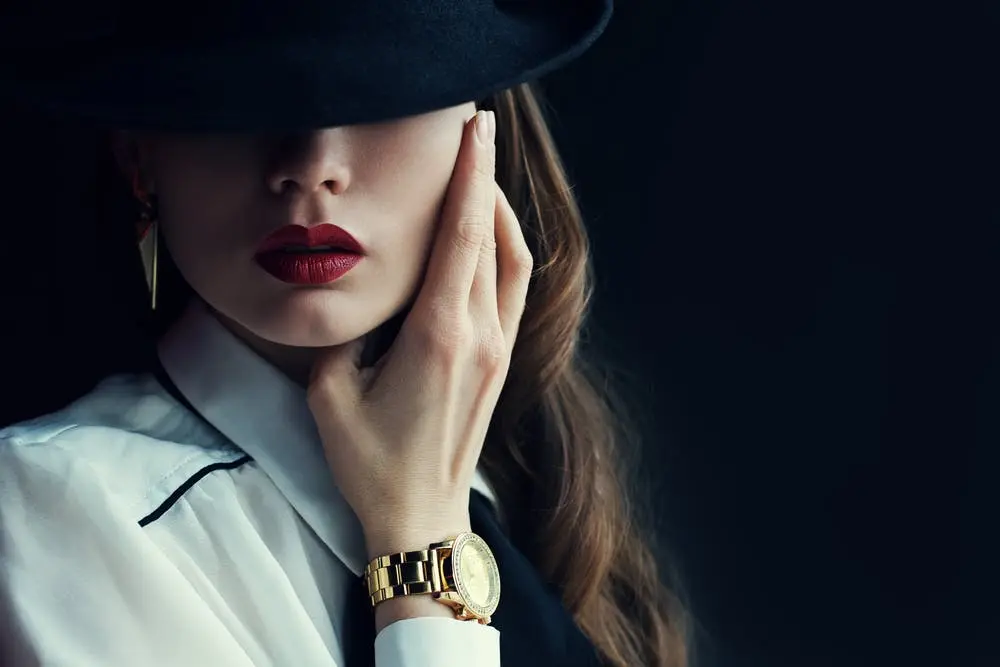
Luxury brands embody exclusivity, elegance and prestige, captivating those who aspire to a more refined lifestyle. One of the most powerful strategies they employ to enhance their desirability is scarcity. By deliberately limiting availability, they create an aura of exclusivity and generate intense demand for their coveted products.
Artificial Scarcity and Limited Production
Luxury houses often produce only a restricted number of certain items in order to preserve the exclusivity of their brand. By carefully controlling supply, they ensure that their creations remain highly sought-after, allowing clients to feel they own something truly rare and distinctive. This limited availability creates competition among consumers, further increasing the desirability of acquiring these coveted pieces.
Limited Editions
Luxury brands frequently introduce special collections or products that are available only for a limited period of time. These limited editions often generate significant demand, as consumers are presented with the opportunity to acquire something rare and exclusive. The pursuit of these highly sought-after pieces creates a sense of pride and status among those fortunate enough to own them. Luxury houses understand the psychology of desire exceptionally well and use it strategically to captivate their clientele and further enhance the allure of their brand.
Exclusivity: The Key to Success
Beyond limited products, luxury brands also rely on exclusive events and experiences to reinforce a sense of scarcity. Private presentations, fashion shows and invitation-only soirées are carefully curated for a select audience, creating an atmosphere of privilege and exclusivity. Guests are made to feel part of an inner circle, granted access to experiences that remain out of reach for the wider public.
By restricting guest lists and inviting influential figures, celebrities and key opinion leaders, luxury brands strengthen the perception that their world is reserved for a chosen few. This carefully managed exclusivity not only elevates the brand’s prestige but also deepens the desire to be associated with it.
Is Luxury Worth the Price?
The power of scarcity extends to pricing as well. Luxury brands deliberately position their products at premium price points in order to preserve a sense of exclusivity. Limited availability combined with strong demand allows these brands to justify their elevated prices. Consumers are often willing to pay a premium for the opportunity to belong to an exclusive circle and to enjoy the prestige associated with a particular luxury house.
The brands themselves benefit significantly from this strategy. Higher prices typically translate into stronger profit margins, while simultaneously reinforcing their status as premium labels. By consciously maintaining elevated price points, luxury houses cultivate an image of rarity, desirability and exceptional quality. After all, in the world of luxury, exclusivity and craftsmanship are often perceived as inseparable from price — making the cost itself part of the product’s allure.
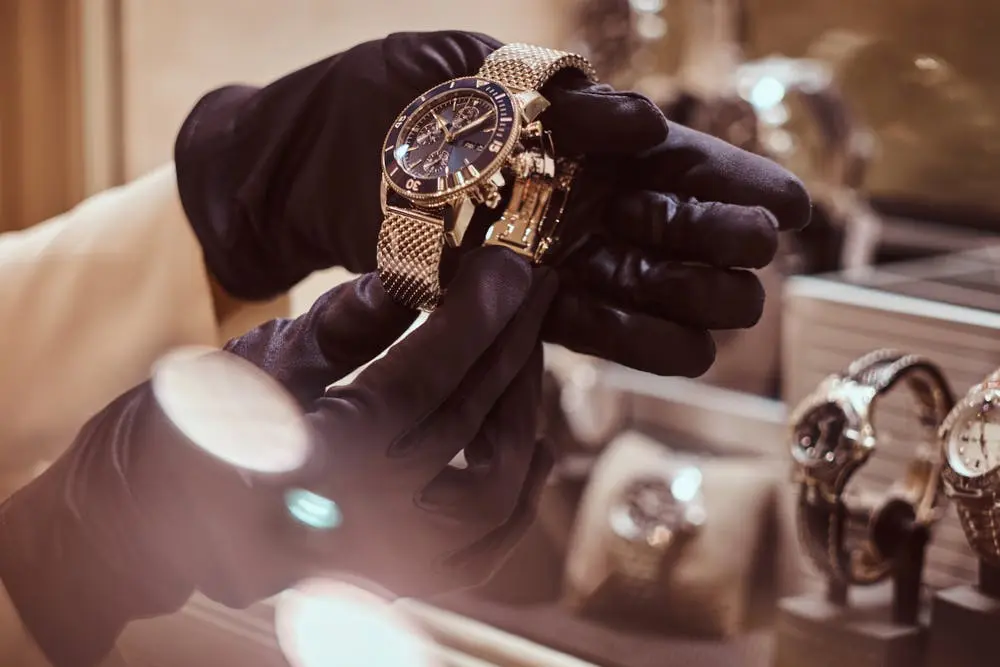
Scarcity, however, is not without its risks. If luxury brands misjudge demand or create artificial shortages too aggressively, they risk frustrating potential clients and damaging trust in the brand. Striking the right balance is therefore essential. When used strategically, scarcity can strengthen a brand’s desirability without compromising customer loyalty or satisfaction.
The luxury watch industry offers some of the most prominent examples of this phenomenon. Whether driven by deliberate strategy or production constraints is often difficult to determine. Prestigious watchmakers such as Rolex and Patek Philippe have waiting lists stretching several years for certain highly sought-after models. This scarcity fuels demand and further amplifies the desire to own one of these exceptional timepieces. Buyers are often willing to wait patiently — and pay substantial sums — for the privilege of joining an exclusive circle of owners.
Ultimately, scarcity remains one of luxury’s most powerful tools. It is a subtle yet highly effective way of cultivating desire, reinforcing brand loyalty and enhancing perceived value. After all, luxury has never been solely about ownership; it is equally about aspiration. And few things inspire desire more than something that feels just out of reach.
Photos: Shutterstock