
At Global Fashion Summit 2026 in Copenhagen, sustainability felt noticeably different. The language of ambition, targets, and future promises that has long dominated industry conversations gave way to something more practical: infrastructure.
By Mayudi Patel
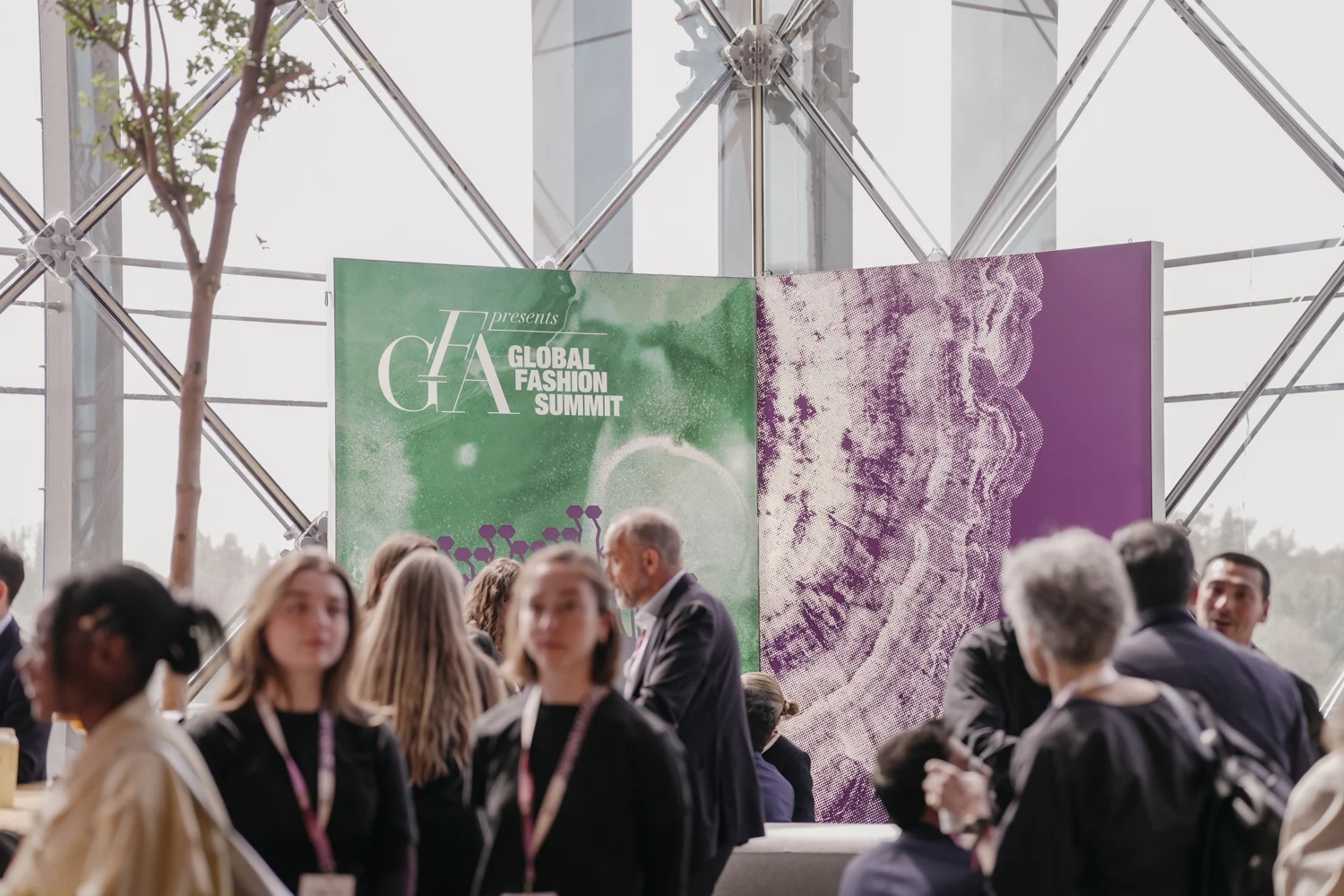
Under the theme Building Resilient Futures, discussions focused less on what fashion hopes to achieve and more on what it must build. Across the programme, sustainability was increasingly framed not as a communications strategy or standalone initiative, but as a business function woven into sourcing, finance, manufacturing, logistics, and product development.
The shift demonstrates a broader reality facing the industry. Climate instability, material scarcity, supply chain disruption, tightening regulation, and accelerating technological change are no longer future risks. Operational pressures are already changing how fashion companies make decisions.


One statistic repeatedly surfaced throughout the Summit: less than 1% of textile waste is recycled back into new garments. While circularity has become one of fashion’s most frequently used sustainability terms, the systems required to support a truly circular economy remain largely underdeveloped. The gap between ambition and implementation emerged as one of the event’s defining themes.
Perhaps the clearest indication of sustainability’s changing role came from finance. The launch of the Fashion CFO Agenda 2026, developed by Global Fashion Agenda in collaboration with Boston Consulting Group, positioned chief financial officers as key actors in the industry’s transition. Throughout several sessions, resilience was increasingly discussed as a financial issue rather than solely an environmental one.
Panellists highlighted the need for investment strategies that look beyond short-term returns and support long-term resilience through material innovation, research, and supply chain transformation. Product development and supply chain infrastructure were repeatedly identified as areas that remain underfunded despite becoming critical to competitiveness and business continuity.
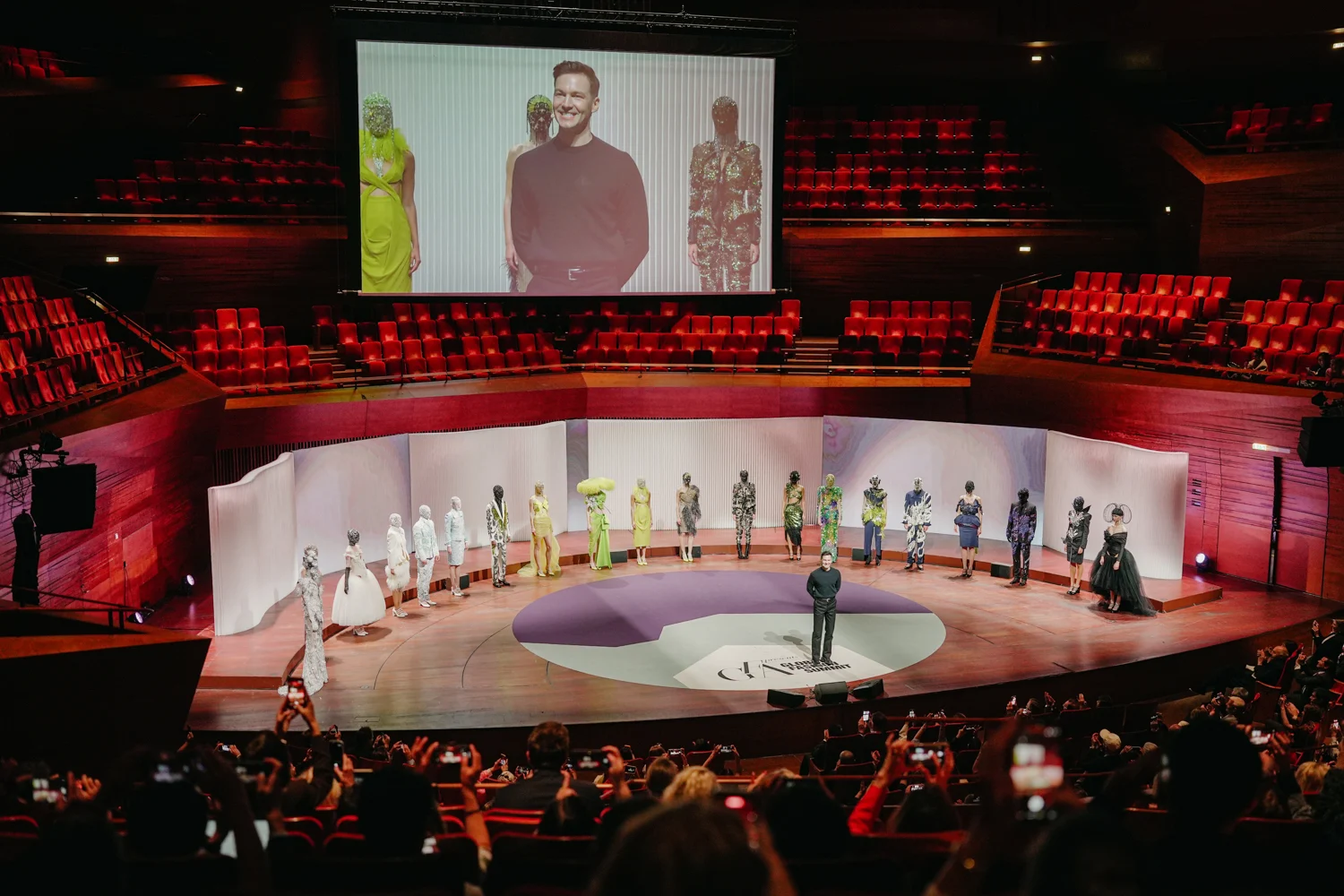
Rather than treating sustainability as a specialist function, many discussions explored how environmental responsibility must become embedded throughout business operations. The conversation has shifted from setting targets to creating the structures capable of delivering them.
Despite broad agreement on the need for change, the industry continues to grapple with a familiar challenge: who ultimately carries responsibility for delivering it? Accountability was examined through the lenses of regulation, manufacturing, consumer behaviour, and business strategy, yet there was little consensus on where meaningful change begins. Does progress come from consumers demanding better products, businesses redesigning their systems and supply chains, or governments establishing stronger regulatory frameworks?
The prevailing view suggested that fashion’s transition will depend on all three moving together. Businesses will need to continue driving innovation, governments may provide accountability and direction, and consumers will play a role in supporting more responsible purchasing habits. Progress in one area alone is unlikely to be enough.

What became increasingly apparent throughout the Summit was that many of fashion’s sustainability challenges now sit beyond the influence of any single company. Challenges surrounding raw material sourcing, emissions reduction, water consumption, and supply chain stability require collective action across brands, manufacturers, policymakers, and technology providers. Fashion’s interconnected nature means resilience can no longer be built in isolation.
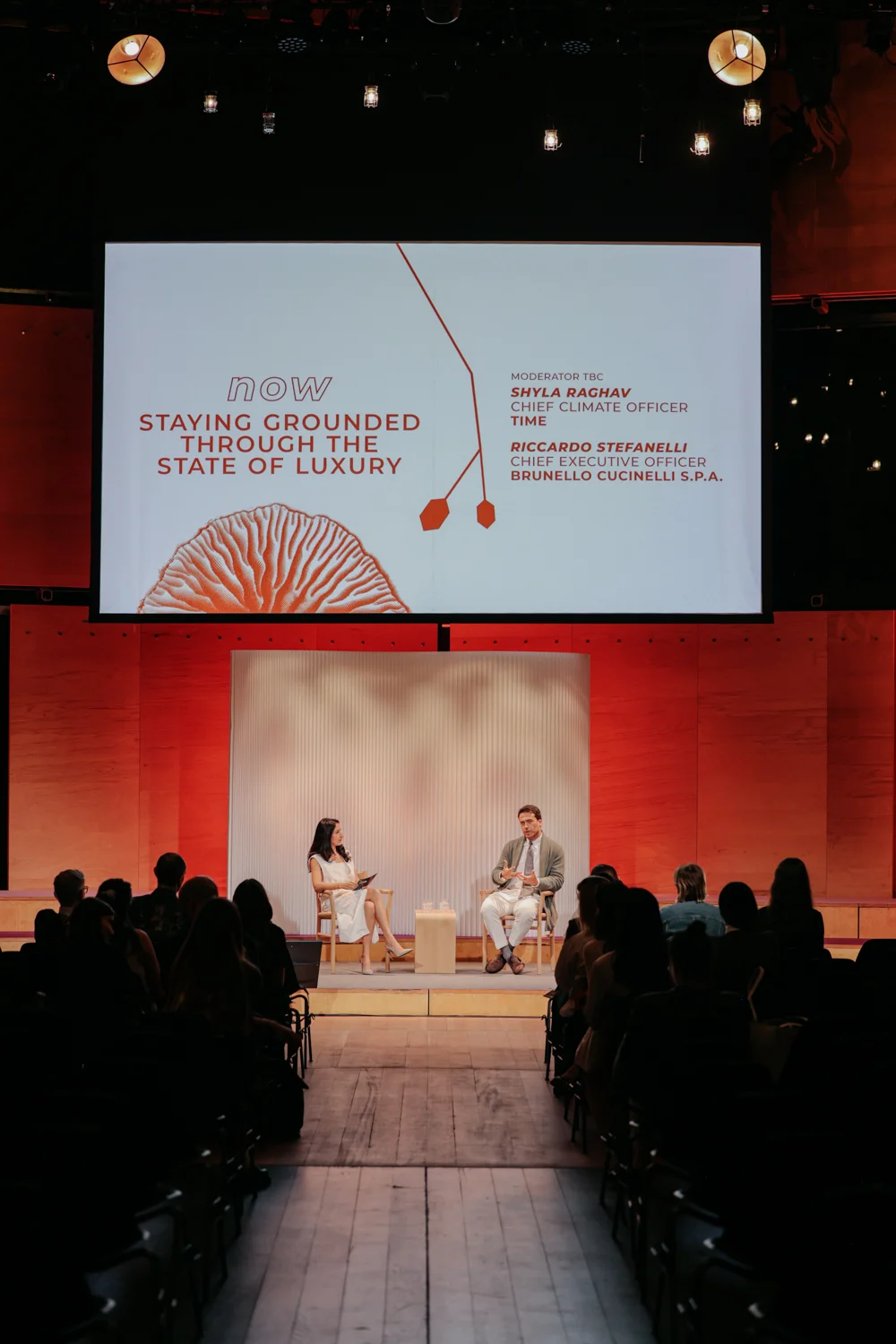
During one session, Hélène Valade of LVMH reflected on circular economy systems, biodiversity protection, and the importance of integrating environmental thinking into everyday business decisions. Discussions around raw material scarcity reinforced a broader message heard throughout the Summit: environmental instability is no longer simply a sustainability concern but an operational business risk.
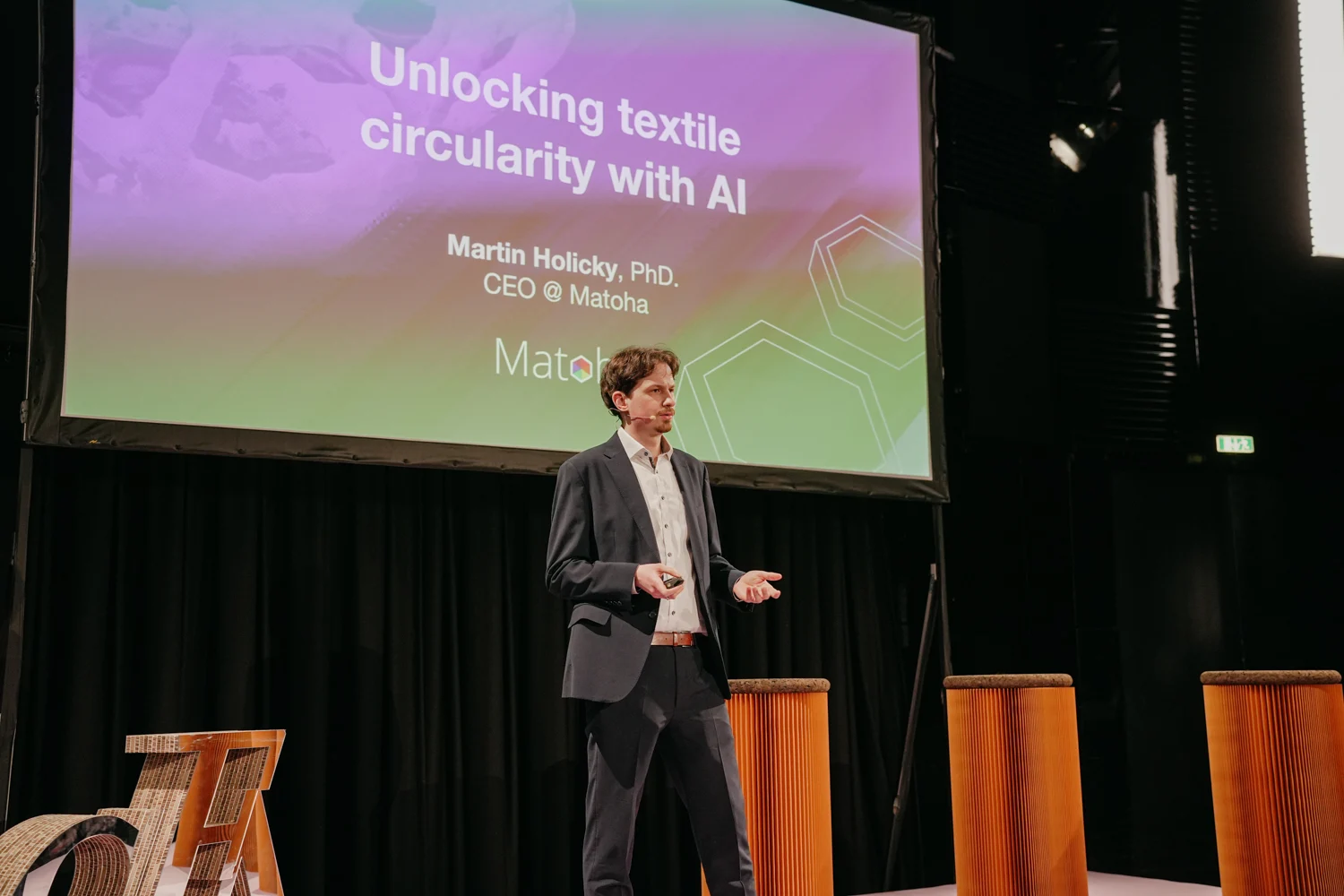
Technology also occupied a more nuanced position than in previous years. While AI and digital tools were recognised for their ability to improve traceability, reporting, and material management, discussions were notably more cautious than the industry’s earlier enthusiasm suggested. Speakers explored whether emerging technologies would primarily support workers through reskilling and operational efficiencies, or contribute to the displacement of lower-skilled manufacturing roles.
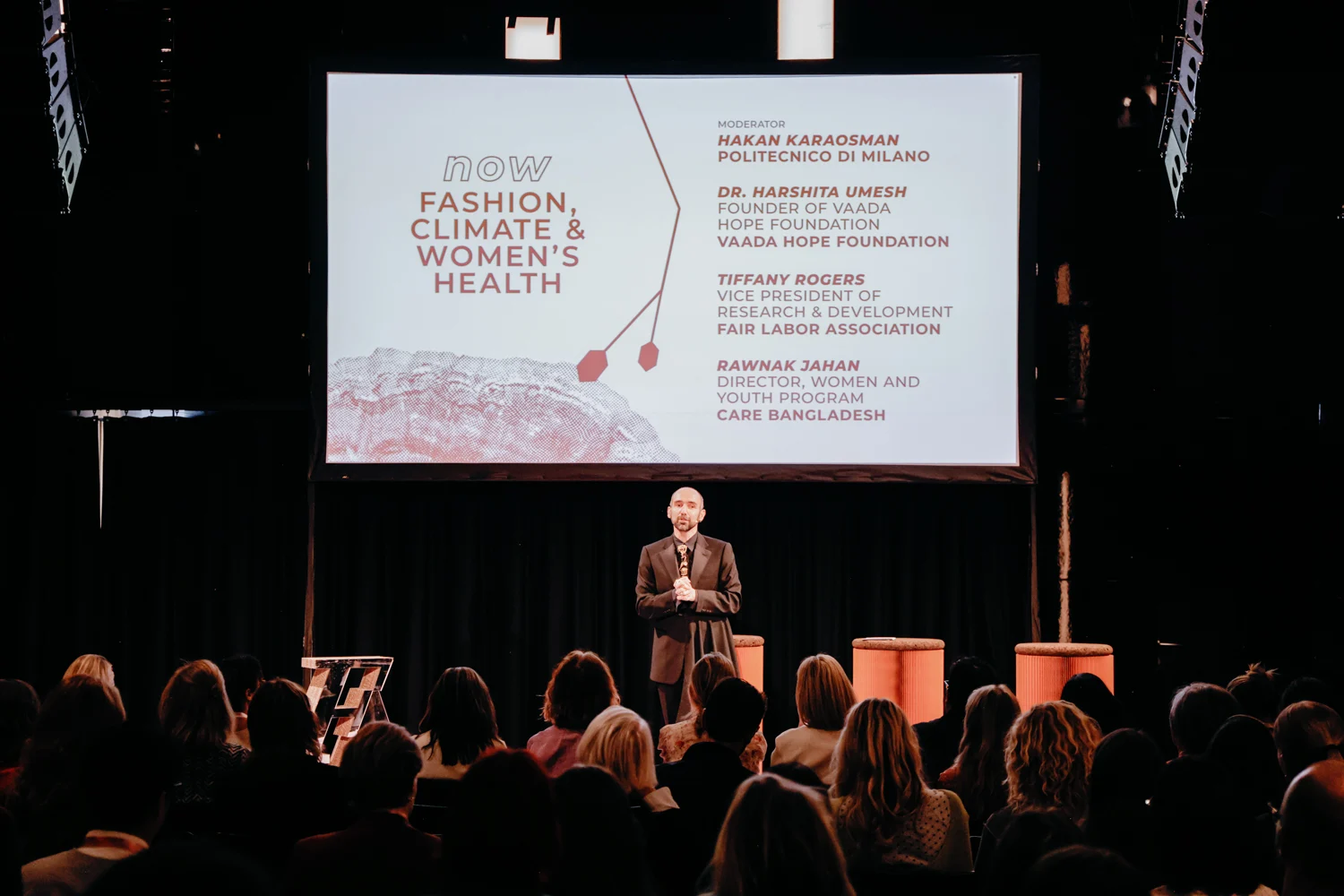
These concerns are closely connected to broader discussions around workers’ rights. Sessions examining manufacturing regions such as Bangladesh highlighted the social implications of decarbonisation and automation, particularly for women, who represent a significant proportion of the garment workforce. As sustainability strategies evolve, there is growing recognition that successful transitions must also address workforce development, inclusivity, and long-term job security.
If previous years focused on defining sustainability ambitions, the Global Fashion Summit 2026 focused on execution. The industry’s challenge is no longer deciding whether transformation is necessary, but whether it can build the financial, operational, and social systems capable of sustaining it at scale. Sustainability has not disappeared from fashion’s agenda; it has simply moved departments. What was once primarily a communications conversation is increasingly becoming a question of operations, investment, and resilience.