
Notions of what luxury means have changed over the years, and thanks to DreamSofa, furniture has finally caught up with the modern-day definition.
By Ethan M. Stone
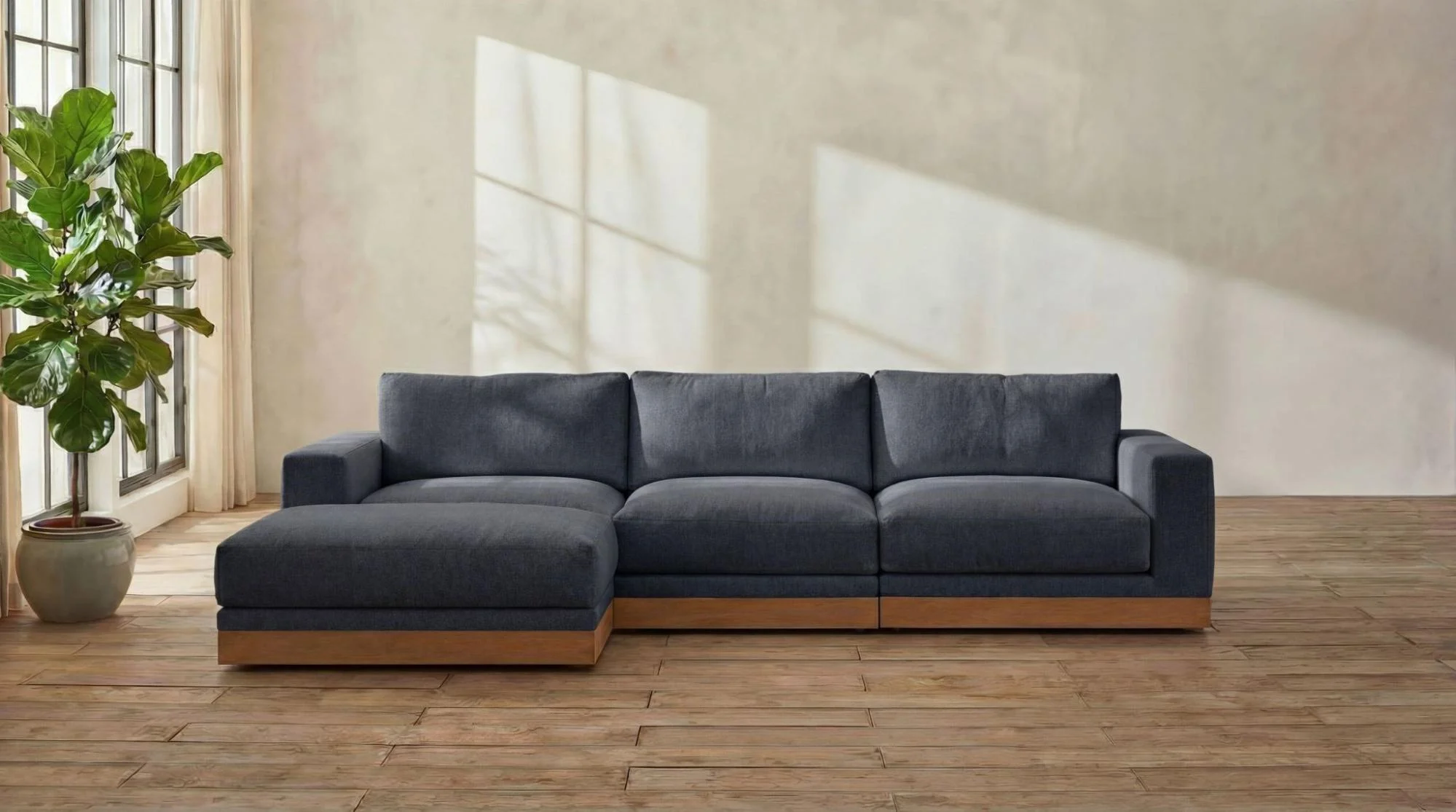
Image Credit: DreamSofa
Luxury fashion, architecture, and interior design are purposefully fluid, changing with the times to reflect what it means to live well today. For furniture pieces like sofas, that means moving away from the ornate, static, and status-driven designs of the past toward a functional, flexible, and intentional mindset.
Unsurprisingly, this latest trend calls for personalization and adaptability in living spaces, as people want the agency to decide where to place their furniture rather than have it made for them. That call for agency has led furniture to become what some call “functional sculpture,” a design principle that emphasizes modularity, cleanliness, and balance so that luxury can be made into a lived concept, not merely an observed one.
Modular Living in High-End Design
Why does modern high-end design cater to modular living? The answer is simple: wealthy homeowners are prioritizing adaptability over permanence. Life today is much faster and more dynamic than it was even a decade ago, leading many to prioritize practicality over personality when designing their interiors.
Such an approach has led to a surge in demand for modular furniture, as sofas and seating that allow for tailored configurations can make spaces multifunctional, meaning people can choose to make their living rooms double as work or entertainment zones if they so please. Modularity also allows spaces to grow with the homeowner, enabling greater flexibility for longer.
DreamSofa’s role in empowering modern high-end design is straightforward: the company offers made-to-order modular systems that reflect personal expression. These systems allow for a high degree of design freedom and user control, giving homeowners more options for how they want to live in their homes.
Furniture as Functional Sculpture
Just because modern sensibilities drift toward practicality does not mean aesthetics and art have been forced to trail behind. In reality, today’s predilection for functionality has created space to merge form and function more gracefully than ever, and in the context of furniture, that takes the shape of sofas and seating, both of which create sculptural silhouettes that define spatial flow within a given space.
The clean lines, symmetry, and proportionality made popular in modern interior design stem in part from architecture’s growing influence on luxury thought. This development has led manufacturers like DreamSofa to create pieces that complement, not compete with, their surroundings. That complementary structure merges ergonomics and artistic design, creating pieces that are both visually striking and livable.
The move toward spatial flow adheres to architectural principles of scale and negative space, guiding modern furniture sets toward a “soft minimalism” that eschews the harshness of past cold minimalism. Combined with pleasurable textures and tones, today’s furniture can maintain a warmth that previous luxury sets lacked.
Meanwhile, modern modular systems ensure consistency across open-concept spaces, enabling seamless integration with contemporary architectural layouts.
Addressing the Needs of the Health-Conscious Buyer
Modern wellness trends have pushed many to live holistically, leading healthconscious luxury buyers to recognize indoor air quality and material safety as integral parts of healthy living. This recognition has led to a demand for low-VOC, sustainable, and hypoallergenic materials that adhere to guidelines on transparent,
responsible sourcing.
To meet these needs, DreamSofa has committed to using cleaner, healthier materials, positioning itself as part of a broader wellness-focused lifestyle that extends beyond a person’s physiological environment.
Personalization as the Core of Modern Luxury
In keeping with today’s themes of agency and adaptability, modern luxury has shifted toward bespoke, intentional purchases. In the context of furniture, that means buying customizable sofas and beds that foster emotional connections, further enhancing the warmth they can create.
This furniture is tailored to habits, routines, and preferences, not just in aesthetics but also in everyday functionality. That means today’s sofas look as good as statement pieces while also serving as hosts for lounging, family living, or even hybrid workspaces.
DreamSofa’s customization options, for instance, vary in size, configuration, materials, and even overall style, allowing buyers to align their sofa’s design with their identity and environment.
The Future of Luxury Living Spaces
If the concepts of luxury are currently in flux, it is worth asking where they may go next.
At present, it appears modularity will continue to gain prevalence in architecture and interiors. Furniture itself, meanwhile, may become a long-term, evolving investment that adapts to and with homeowners.
Modern furniture pieces are trending toward greater durability to reduce waste. Similarly, luxurious thinking has begun to favor timeless design over trend-driven consumption.
Furniture, with its new emphasis on flexibility, clean materials, and architectural harmony, is becoming a key component of well-being and quality of life, which is why many see modern luxury furniture as occupying a dual role as both functional and artistic.
Luxury is no longer about excess, but about mindfulness and an intentional approach to adaptable, beautifully balanced living.